
In this article:
What Kriti Sanons Story Highlights
Speaking about the biological clock, Kriti Sanon said, “I froze my eggs,” adding that she did not want marriage or motherhood to happen only because of “some clock or a pressure.” She said, “I never want to be tied down to the fact that I need to get married now or I need to have kids now. You need to do it when you feel it inside, when you feel ready for it.”Kriti also shared that she planned the process during the time she was preparing for Mimi, when she had to gain weight for the role. She said, “Very, very smartly, I did it during that time when I had to gain weight for Mimi,” explaining that the process can cause bloating. She added that when she had two months with no shoot and was anyway required to gain weight, she felt it was the right time to go ahead.

Her statement is important because it makes egg freezing sound less like a celebrity luxury and more like a fertility-planning decision that requires timing, money, medical support and emotional readiness. Kriti also acknowledged the privilege involved, saying, “I know not everyone can afford it. And I’m fortunate that I could afford it.”
She further described the hormonal impact of the process, saying there was a point when she felt “hormonally disruptive” and experienced mood swings. This is where the larger fertility lesson lies: egg freezing can offer women more reproductive choices, but it is still a medical procedure involving injections, scans, bloating, cost, uncertainty and emotional strain.
What Egg Freezing Can Do
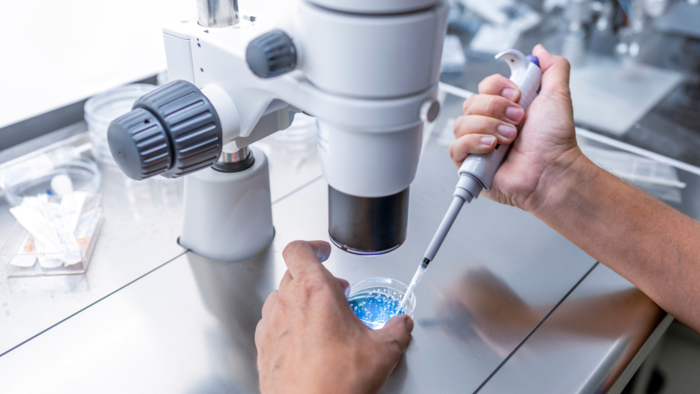
Egg freezing, medically called oocyte cryopreservation, involves stimulating the ovaries, retrieving eggs and freezing them for possible future use. According to the American Society for Reproductive Medicine, planned oocyte cryopreservation is ethically permissible and may help individuals avoid future infertility related to reproductive ageing.It can help women who:
- Want to delay motherhood
- Are not ready for pregnancy yet
- Have medical treatment that may affect fertility
- Want more reproductive autonomy
- Need time before making family-building decisions
What Egg Freezing Cannot Do
Egg freezing is not insurance. As per ASRM’s evidence-based guideline, live birth outcomes after planned egg freezing are difficult to predict, and outcomes appear better when eggs are frozen at a younger age rather than later.It cannot guarantee:
- Future pregnancy
- Good embryo quality
- Successful implantation
- One-cycle success
- Freedom from IVF later
- Protection against all age-related pregnancy risks
What Women Should Ask A Fertility Specialist
Before freezing eggs, ask:- What is my ovarian reserve?
- How many eggs should I aim to freeze?
- How does my age affect success?
- What are the risks and side effects?
- What are the total costs, including storage?
- What are this clinic’s thaw and live birth rates?
Kriti Sanon’s story can help women talk more openly about fertility planning. Egg freezing can be empowering, but only when done with realistic counselling. It is a medical option, not a guarantee, and every woman should make the decision with a qualified fertility specialist.
FAQs On Egg Freezing
- Does Egg Freezing Guarantee A Baby Later?
No. Egg freezing may improve future options, but it does not guarantee pregnancy or live birth. - What Is The Best Age To Freeze Eggs?
Success is generally better when eggs are frozen at a younger age, but timing should be discussed with a fertility specialist.