In this article:
What Are Platelets and Why Do They Matter in Pregnancy?
Platelets are tiny blood cells that stop bleeding by forming a clot. These cells gather at the injury site and form a natural seal to avoid excess blood loss. Your blood volume increases significantly during pregnancy, so your body produces around 40–50% more blood to support the baby. It can also change your platelet levels.
Platelets are important during pregnancy because they:
- Support normal clotting
- Reduce excess blood loss during delivery
- Help your body recover after childbirth
What Is Considered a Low Platelet Count During Pregnancy?
A normal platelet count is between 150,000 and 450,000 platelets per microliter of blood.
Mild changes are common during pregnancy. Doctors consider platelets low when they fall below the following ranges:
- 150,000 (mild thrombocytopenia)
- Below 100,000 (moderate concern)Below 50,000 (more serious risk of bleeding)
Can Low Platelets Cause Easy Bruising During Pregnancy?
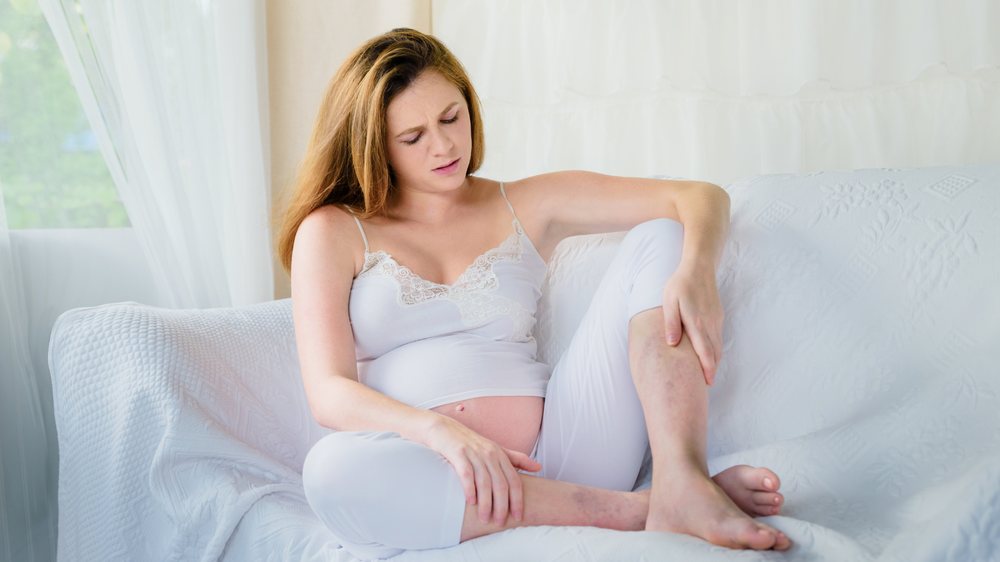
Bruises occur when small blood vessels beneath the skin rupture, allowing blood to bleed into the surrounding tissue. Your body cannot seal these tiny leaks quickly when platelet levels are low, so bruises appear more easily.
You may notice:
- Bruises from small bumps
- Bruises that look larger than expected
- Bruises that appear without a clear reason
- Bruises that take longer to fade
Why Do Platelets Drop During Pregnancy?
Platelet counts may decrease for several reasons during pregnancy. Some may need closer medical attention.
Gestational Thrombocytopenia (Most Common Cause)
This is the most common cause of low platelet counts in pregnancy. It happens in the third trimester and is mild.
Gestational thrombocytopenia occurs because of the following reasons:
- Pregnancy increases plasma volume, which can dilute platelet concentration
- Platelets may circulate slightly faster
Low iron can affect your blood health. Iron deficiency can lead to anaemia, but it may also contribute to weakened blood vessels and a tendency to bruise.
Immune Thrombocytopenic Purpura (ITP)
ITP is a condition where your immune system mistakenly attacks platelets. It can happen at any stage of pregnancy and may lead to a drop in platelet count.
Preeclampsia and HELLP Syndrome (Serious Causes)
Preeclampsia is a pregnancy complication that includes high blood pressure and signs of organ stress. HELLP syndrome is a severe form linked to liver problems and low platelets.
What Symptoms Can Occur Along with Easy Bruising?
You should also watch for other signs of low clotting ability.- Bleeding gums while brushing
- Nosebleeds
- Tiny red spots on skin (petechiae)
- Heavy bleeding from small cuts
- Blood in urine or stool (rare but serious)
When Is Easy Bruising Not Related to Platelets?
Sometimes, bruising may not be related to platelets.- Increased skin sensitivity due to hormonal changes
- Fragile blood vessels
- Minor, unnoticed bumps due to changes in body balance
- Varicose veins or swelling
- Use of blood-thinning medicines
How Do Doctors Diagnose Low Platelets in Pregnancy?
Your doctor will detect low platelet count through a Complete Blood Count (CBC), a routine blood test.
Your doctor may:
- Repeat the test after a few weeks
- Check blood pressure and urine protein
- Review your medical history
- Ask about symptoms like bleeding or headaches
- Order additional tests to rule out ITP or HELLP
What Can You Do to Reduce Bruising and Stay Safe?
You cannot increase platelets at home, but you can take steps to reduce the risk of bruising.
Eat Nutrient-Rich Foods
Focus on foods that improve blood health, such as:
- Iron-rich foods: spinach, lentils, jaggery (in moderation), eggs, meat
- Folate sources: leafy greens, beans, citrus fruits
- Vitamin B12: dairy, eggs, fish
- Vitamin C: guava, oranges, tomatoes (supports blood vessels)
Do not take medicines like aspirin or ibuprofen unless your doctor prescribes them, as they can affect clotting.
Protect Yourself from Minor Injuries
Your balance changes during pregnancy. You can reduce bruises by:
- Wearing comfortable footwear
- Keeping home pathways clear
- Using support while climbing stairs
- Avoiding slippery surfaces
- Sudden severe bruising with no injury
- Bleeding that does not stop
- Severe headache or blurred vision
- Swelling in the face and hands with high blood pressure
- Upper abdominal pain (right side)
- Reduced baby movements
- Signs of early labour with bleeding
Emotional and Social Impact: Why Bruising Can Feel Scary?
Bruising during pregnancy can be concerning. Stress may also increase when you are already emotionally sensitive during pregnancy. You may start overthinking every small bodily change. It may also feel uncomfortable to answer anyone who notices bruises and asks questions.
Support from your partner and family can help you. When your partner helps you track symptoms and attend appointments, it reduces stress.
What Should You Do Next? A Practical Checklist
- Get a CBC test if bruising increases
- Note where bruises appear and when
- Watch for bleeding gums or nosebleeds
- Track blood pressure if advised
- Follow your doctor’s plan for repeat testing
- Eat iron- and folate-rich foods
- Avoid self-medication
- Seek help immediately if warning signs appear
Whether you’re pregnant, a new mom, or navigating postpartum, you don’t have to do it alone. Join our support group to connect, share, and support one another.
FAQs on Can Low Platelets Cause Easy Bruising During Pregnancy?
- Can low platelets harm your baby during pregnancy?
In most mild cases, low platelets do not harm your baby. However, severe platelet conditions require close monitoring to keep you and the baby safe. - Can low platelets improve after delivery?
Gestational thrombocytopenia resolves after childbirth on its own, and platelet counts return to normal within a few weeks. - Will you always need a C-section if platelets are low?
Many women with mild to moderate low platelets deliver normally. Your delivery plan depends on platelet levels, symptoms, and overall pregnancy health.