We spoke to Dr Yatish Singh, Consultant Pediatrician and Neonatologist at Cloudnine Group of Hospitals, Indirapuram, to understand this better and get you verified information.
What Is Neonatal Mastitis?
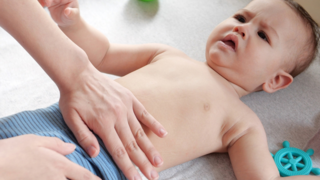
Neonatal mastitis is an infection of the breast tissue during the first 28 days of life. It most often affects one breast and is usually caused by bacteria, particularly Staphylococcus aureus. Babies may have only local breast symptoms, although fever or other signs of illness can occur.It is important to distinguish neonatal mastitis from newborn breast enlargement, called neonatal mastauxe. Hormonal changes after birth can cause breast buds to become enlarged in both boys and girls. This usually settles on its own and does not require antibiotics.
What Are the Symptoms of Neonatal Mastitis?
Most cases appear in the second or third week of life. Doctors look for these changes, usually in one breast:- Red skin over the breast
- Swelling and a firm area under or around the nipple
- Warmth and tenderness that makes the baby cry on touch
- Milky or pus-like discharge from the nipple
- A soft, fluid-filled lump, which suggests an abscess
- Fever or reduced feeding in some babies
Neonatal Mastitis vs Normal Breast Buds
About 70% of newborns have some breast swelling, and 5–20% leak a milky fluid. Maternal oestrogen crossing the placenta causes it.A normal bud measures 1–2 cm, usually appears in both breasts, has normal-coloured skin, and fades over weeks to months. Redness, heat, pain, or fever point to infection instead.
Although newborns can experience temporary breast enlargement due to maternal hormones, mastitis is a different condition that requires medical assessment. Early medical evaluation is essential because infections can progress quickly in newborns.
What Causes Neonatal Mastitis?
The most common cause is a bacterial infection. Staphylococcus aureus accounts for 83–88% of cases. Escherichia coli, Salmonella, group B Streptococcus, and anaerobic bacteria cause the rest.Other factors include:
- Age: Most cases occur in the first two months, peaking at two to three weeks
- Sex: Boys and girls are equally affected; after that, girls are diagnosed more often.
- Milk build-up: Milk that does not drain from the ducts can form a cyst (galactocele), which can become infected
- Squeezing or massaging: If the breast is repeatedly squeezed or massaged, bacteria may enter through tiny breaks in the skin or nipple area, increasing the risk of infection.
How Is Neonatal Mastitis Diagnosed and Treated?
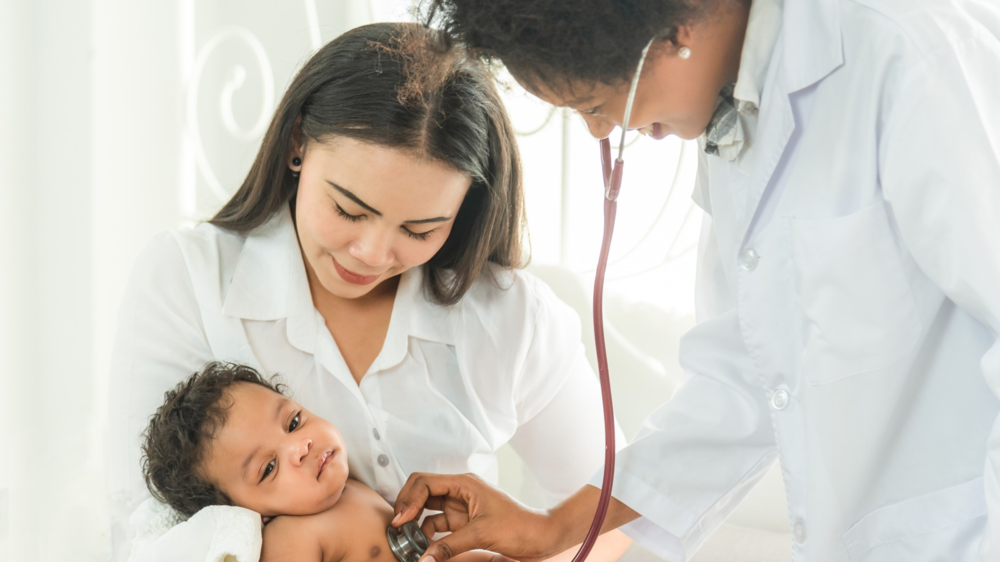
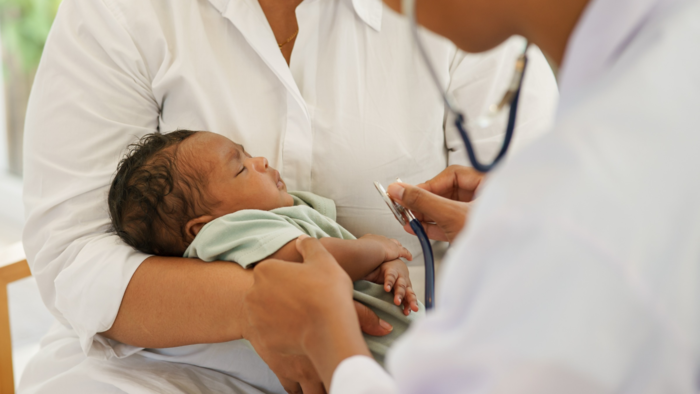
A paediatrician usually diagnoses neonatal mastitis through a physical examination and the baby's overall clinical condition.If the swelling is significant, worsening, or suspected to contain pus, doctors may order a breast ultrasound to check for an abscess.
Depending on the baby's age, symptoms, and appearance, the doctor may also recommend blood tests or a culture of any pus or nipple discharge. Culture results can help identify the bacteria and guide antibiotic treatment.
Treatment includes:
- Antibiotics: Usually intravenous, chosen to cover Staphylococcus aureus, for about 7–14 days. Oral antibiotics may suit some low-risk (well-appearing, afebrile) babies.
- Drainage: An abscess, which develops in about half of cases, may need incision and drainage. Resistant bacteria (MRSA) also respond to drainage.
When to See a Doctor
Take the baby to a paediatrician or emergency department the same day for:- Redness, warmth or pain over the breast
- Pus, blood-stained discharge or a soft, fluid-filled lump
- Fever of 38°C (100.4°F) or above
- Poor feeding, unusual sleepiness or irritability
FAQs on Neonatal Mastitis: Signs, Causes, and Treatment
- Is neonatal mastitis serious?
It can be, but most babies recover fully with timely treatment. The main complication is an abscess, which may need drainage. - Can boys get neonatal mastitis?
Yes. Boys and girls are equally affected in the first two weeks. After that, girls are diagnosed more often. - Should I squeeze witch's milk out of my newborn's breast?
No. The milky fluid is normal and stops on its own. Squeezing or massaging the breast is linked to infection and abscess.