Normal Behaviour of Newborn Babies
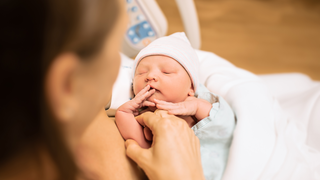
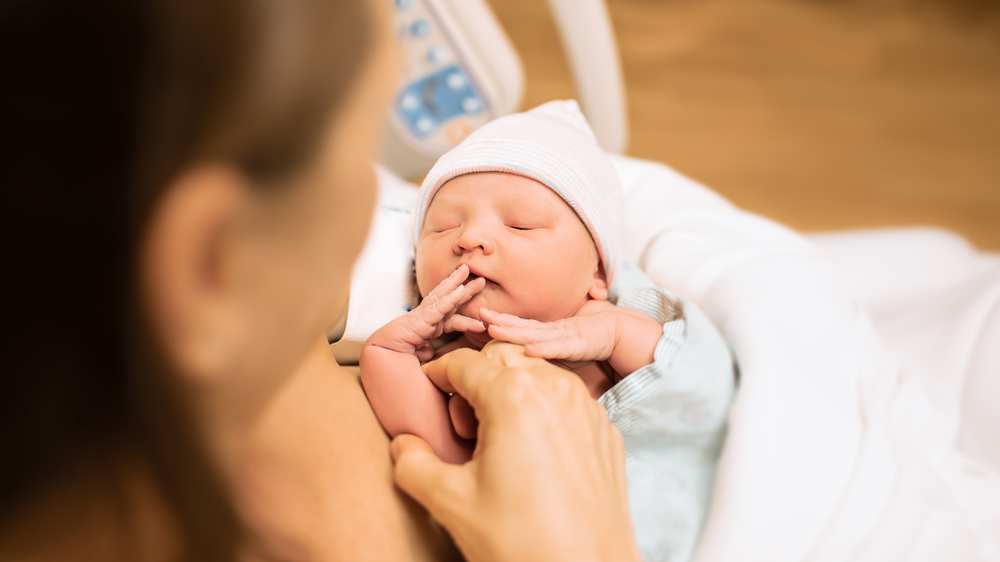
After birth, a baby spends most of their time sleeping as their body gets used to the new environment outside the mother's womb. During the adjustment process, different babies exhibit different patterns of eye-opening.Some examples of normal eye behaviour include the following:
- A newborn baby might keep their eyes closed for long periods cos they spend most of the time sleeping
- A newborn baby might open their eyes and immediately close them
- Bright lights might cause the baby to prefer having their eyes closed
- Sleeping is frequent and irregular
Reasons Why Some Babies Open Their Eyes Late
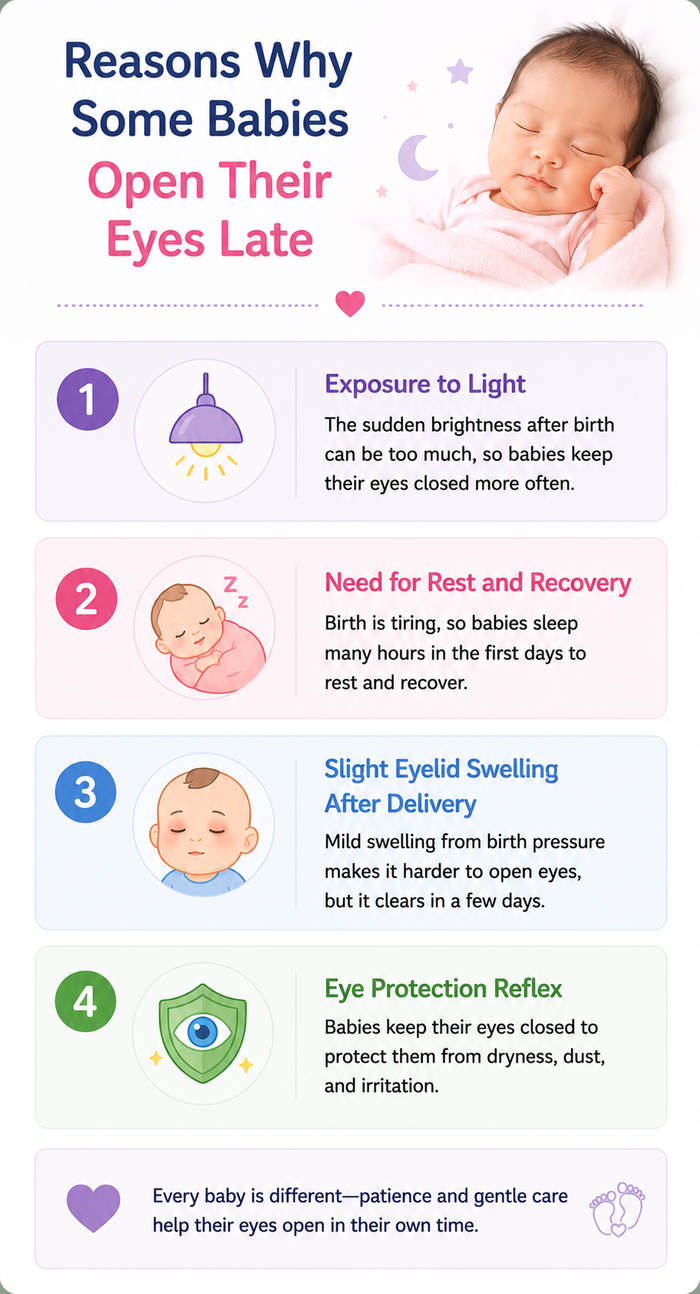
The newborn baby adapts itself to various adjustments, which can differ from one baby to another. Some of the reasons could include the following:Exposure to Light
When the baby is inside the uterus, they are surrounded by a relatively dark and peaceful environment. As soon as the baby is born, the amount of light seems too bright for them. As an adaptation to that, the newborns tend to keep their eyes closed more often.Need For Rest and Recovery
Birth is a major physical process that requires proper recovery for both the mother and baby. The newborn spends much time sleeping within the first few days (almost 17-20 hours) for optimal development and growth.Slight Eyelid Swelling After Delivery
Some infants might experience mild swelling around the eyes right after delivery. This swelling is caused by pressure during delivery and clears up by itself in just a few days. Once the eyelids get used to the pressure, babies start opening their eyes more often.Eye Protection Reflex
Infants are born with reflexes that provide protection for their eyes. Keeping them closed helps prevent drying and protects the eyes from any particles or irritation. It is especially prominent in the first days but slowly fades away.Decreased Awareness of the Surroundings
Initially, babies spend short periods awake while having long sleep cycles. This leads to poor awareness of their surroundings. Babies outgrow this gradually, and the frequency of eye opening increases.When do Babies Begin to Open Their Eyes Frequently?
Newborn babies generally begin to open their eyes frequently in the first week or so. By the end of the first week, they have short alert periods when they look around. By two to three weeks, babies become more responsive. Gradually, they will begin:- Reacting to light and shadows
- Observing faces at a short distance
- Making eye contact for brief moments
How Parents Can Help Babies Develop Eye Skills
Parents can gently support their baby’s eye development through simple daily interactions. Small efforts make a meaningful difference over time:- Make eye contact often: Hold your baby close and let them look at your face during calm moments
- Use soft lighting: Keep the room comfortably lit to help your baby adjust without discomfort
- Talk and smile: Babies are naturally drawn to faces and voices, which encourages visual focus
- Show simple objects: Use high-contrast items like black-and-white patterns to catch their attention
- Change positions: Move your baby's crib or your holding position slightly so they can view different angles
- Give tummy time: Short, supervised tummy time helps strengthen muscles needed for visual tracking
Signs That Indicate the Need for Medical Advice
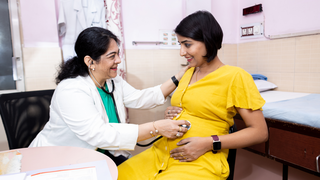
It is normal for newborns to keep their eyes closed, often in the initial few days. But parents need to keep track of specific signs. Consulting with a paediatrician will help you get some assurance.Here are the signs that need attention:
- No eye-opening even after several days without any changes
- Discharge or crusting of the eyes
- Swollen eyes without any improvement
- Noticeable eye redness
- No reaction to light and movement
- The baby seems unusually inactive or difficult to wake during feeding times
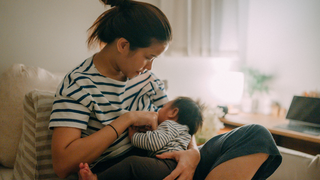
Whether you’re pregnant, a new mom, or navigating postpartum, you don’t have to do it alone. Join our support group to connect, share, and support one another.
FAQs on Newborn Not Opening Eyes After Birth: Should Parents Worry
- Do premature babies take longer to open their eyes?
Yes, premature babies may take a longer time to open their eyes than babies born at full term. This is because the development in premature babies is still progressing. - Should I try to open my baby's eyes gently?
No, never force your baby's eyes open. You might unintentionally cause them harm and discomfort. Let them open naturally when they feel ready and comfortable. - Can infections cause a baby to keep their eyes closed?
In some cases, infections or blocked tear ducts may cause discomfort. A paediatrician can offer proper care if symptoms appear.