In this article:
Role of Antiretroviral Drugs in HIV-Positive Pregnant Women
HIV-infected pregnant women should undergo antiretroviral therapy (ART). The effectiveness of the treatment is based on reducing the virus level in the body to below detectable limits. If a woman takes antiretroviral drugs before conception, she should continue the therapy after getting pregnant. It is important to follow the treatment strictly without missing doses.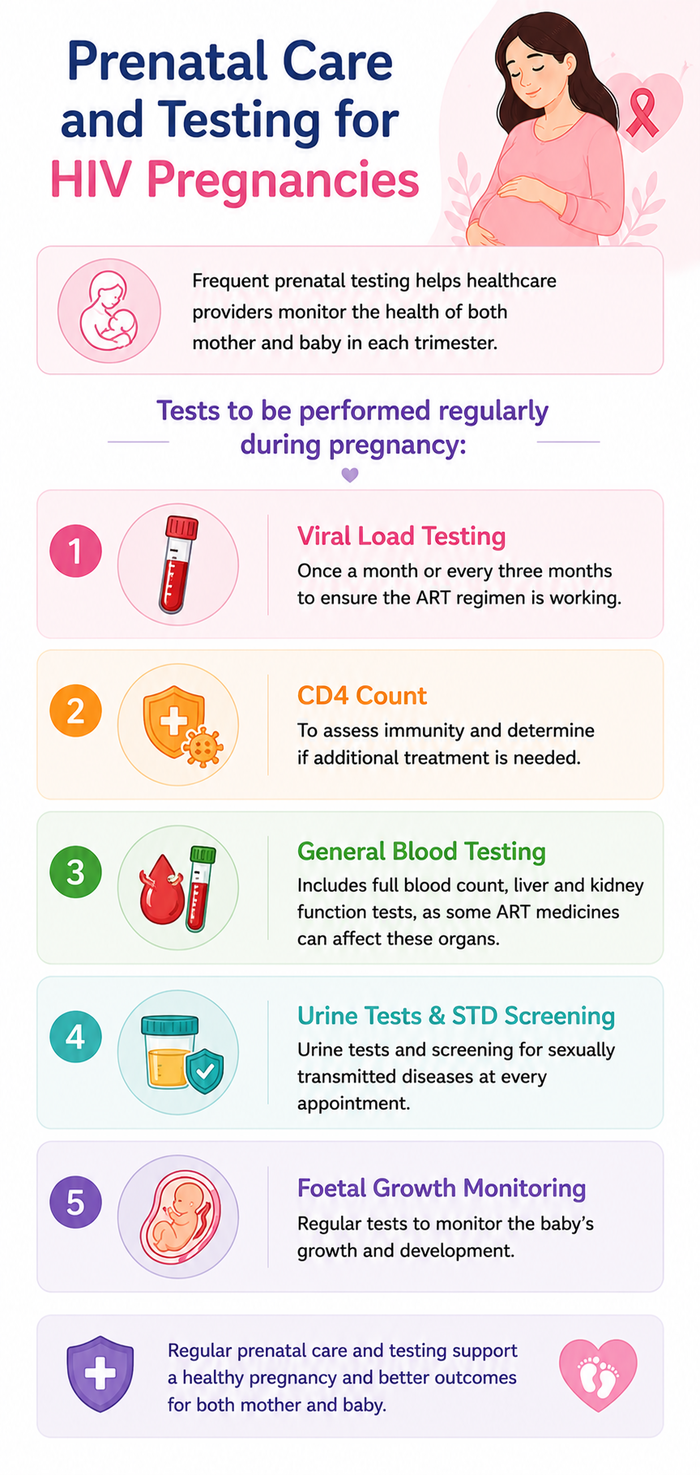
How Do HIV Drugs Help Protect the Baby?
ART is useful for protecting the baby in two different ways. First, by decreasing the viral load in the bloodstream of the mother, ART makes sure there is less HIV that passes through the placenta while the baby develops in the womb. Second, certain drugs used in ART treatment pass through the placenta and protect the baby directly in the last weeks of pregnancy. The ART treatment program selected for pregnant women depends on the safety of the drugs for the baby's development.Prenatal Care and Testing
Mothers who have HIV should go for prenatal testing more often. This helps healthcare providers track the health of both the mother and baby in each trimester.
The following tests should be performed regularly during pregnancy:
- Testing of viral load once a month or every three months to make sure that the ART regimen works.
- Checking the CD4 count to determine the condition of immunity and decide what kind of extra treatment should be provided.
- General blood testing (full blood count, liver function, and kidney function testing, as some ART medicines affect these organs).
- Tests of urine and checking for sexually transmitted diseases at every appointment
- Testing for foetal growth.
Proper nutrition is equally important for immune health and pregnancy. There is no need for a special diet in women with HIV, but there are some simple lifestyle choices that will help ensure effective ART and general wellness during pregnancy.
Consumption of a proper and varied diet, which includes plenty of fruits, vegetables, grains, and proteins, ensures energy balance and supports the immune system. Some types of ART work more efficiently if consumed with food; it is necessary to consult the doctor on when to take the medicine regarding meal times.
Some other healthy lifestyle choices that help manage HIV during pregnancy include the following:
- Drinking enough water daily, especially when affected by nausea.
- Avoiding alcohol and cigarettes, both of which affect the immune system and pregnancy.
- Managing stress by resting, being active, and getting social support; prolonged stress affects the immune system.
- Attending all planned appointments even when feeling healthy.
For infants whose mothers have tested positive for HIV, all of them will be given a regimen of antiretrovirals for four to six weeks as a precaution, irrespective of the mother’s viral load at delivery time. The health professionals conducting the tests will inform about the significance of each test and the follow-up procedure.
Feeding Decisions for Mothers Who Are HIV Positive
For mothers who are HIV positive, feeding decisions depend on the area within which the care and treatment occur. The decision in such a situation must always be taken in collaboration with the healthcare provider.Postpartum Care and Long-Term Health
The following are the aspects of care after delivery among women living with HIV:- A postnatal visit to an HIV specialist doctor within a month after delivery.
- Tests to assess whether the patient is still suppressing the virus in her body.
- Counselling on mental health issues during the postpartum period.
- Monitoring of the newborn baby until the tests are negative for HIV.
When to Contact Your Doctor?
You should contact your doctor or HIV specialist in case:- You have skipped a dose, or you have vomited within an hour after taking ART.
- Medication side effects are making it hard for you to eat, sleep, and take your medications regularly.
- You have a fever or any other infection.
- There are changes in foetal activity during the third trimester.
- There are concerns regarding the baby’s feeding, weight, or well-being in the weeks after birth.
- You experience emotional problems that are interfering with your everyday life.
Whether you’re pregnant, a new mom, or navigating postpartum, you don’t have to do it alone. Join our support group to connect, share, and support one another.
FAQs on HIV During Pregnancy: Risks, Treatment and Prevention of Transmission
- Are ART drugs safe during pregnancy?
Most ART drugs that are prescribed for use during pregnancy have a good safety record. These drugs are safe for the mother as well as the baby. It is the care team’s responsibility to give the most appropriate and safest treatment option available. - Will my child require any medication after being born?
Yes. All babies born to mothers with HIV are given a dose of antiretroviral drugs after being born. This goes on for about four to six weeks. - When will I be monitored during my pregnancy?
You will be monitored more often. Your viral load will be tested once or twice a month, while your CD4 cell count will be tested during every visit, along with other regular blood work.