In this article:
Does Long COVID Cause Irregular Periods?
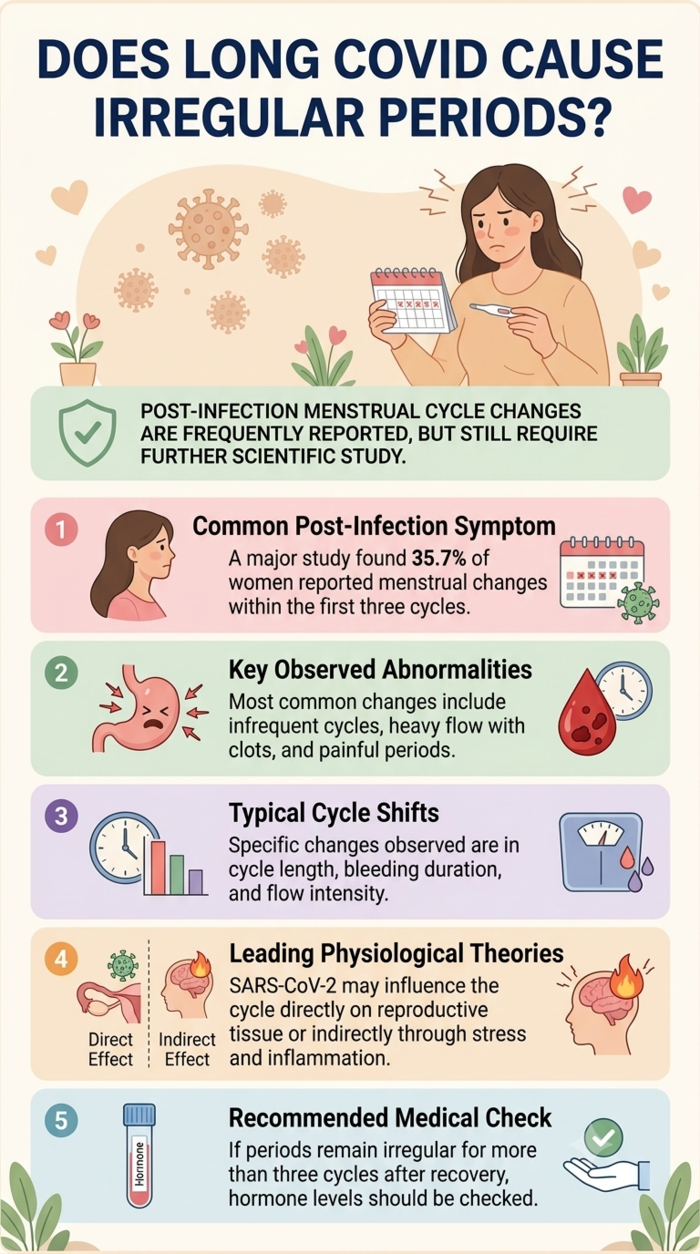
Menstrual changes are among the most reported reproductive symptoms after COVID-19. In one study, 35.7% of women reported changes in their menstrual pattern within the first three cycles after infection. The most common shifts were in cycle length, bleeding duration, and flow intensity.Another hospital-based study on post-COVID menstrual abnormalities found the main changes were infrequent cycles, heavy flow with clots, and painful periods.
Researchers note that further study is needed to fully understand the physiological mechanisms behind these cycle changes after SARS-CoV-2 infection. The leading theories point to two pathways: SARS-CoV-2 may influence the menstrual cycle either through direct effects on reproductive tissue or indirectly through stress and inflammation.
Gynaecologists across Indian metros have observed a rise in patients reporting post-infection cycle irregularities since 2022, though large India-specific cohort data is still limited. Anyone with periods that stay irregular for more than three cycles after recovering from COVID-19 should get hormone levels checked.
Can Long COVID Affect Male Fertility and Sperm Health?
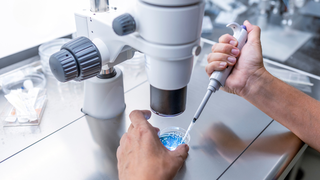
Men can also see fertility-related changes after COVID-19, mainly involving testosterone and sperm quality. A meta-analysis found that COVID-19 significantly reduced sperm concentration, total motility, and progressive motility, and disrupted sex hormones, including lower testosterone and higher luteinizing hormone during illness.Lower testosterone is linked to worse disease severity; however, levels rise significantly within about three months of recovery, and sperm concentration, count, motility, and morphology have been shown to improve again during the recovery period after infection. A longer follow-up study tracking men over six months found a similar pattern, though recovery time to baseline sperm parameters varied by age group, with older men taking longer to bounce back.
For couples undergoing fertility workups, doctors typically recommend repeating a semen analysis three to six months after a COVID-19 infection rather than acting on results taken during or immediately after illness.
Managing Fertility During Long COVID Recovery
Fertility specialists generally advise the following after a COVID-19 infection:- Track your cycle for three months: Note changes in cycle length, flow, and pain to share with your gynaecologist.
- Get hormone panels done if irregularity persists: Tests may include thyroid, prolactin, and reproductive hormones.
- Repeat semen analysis after three months: Rather than immediately post-recovery, since sperm parameters take time to normalise.
- Don't delay IVF or fertility consultations unnecessarily: Most clinics in India now have clear post-COVID protocols for resuming treatment.
- Prioritise sleep, iron and protein intake, and stress management: These support hormonal recovery during the post-viral period.
You’re not alone in your journey when trying to conceive. Join our supportive community to connect with others, share experiences, and find encouragement every step of the way.
FAQs on Can Long COVID Affect Fertility?
- How long do menstrual changes last after COVID-19?
Most menstrual irregularities resolve within three to seven months. If cycles remain disrupted beyond this, a hormonal evaluation is recommended. - Can I get pregnant if I have long COVID symptoms?
Yes, but if periods are irregular or hormone levels are abnormal, it's advisable to get evaluated before actively trying to conceive. - Does COVID-19 vaccination affect fertility?
No. Research continues to confirm that COVID-19 vaccination does not lower fertility in men or women.