In this article:
What Does a Decidual Cast Look Like?
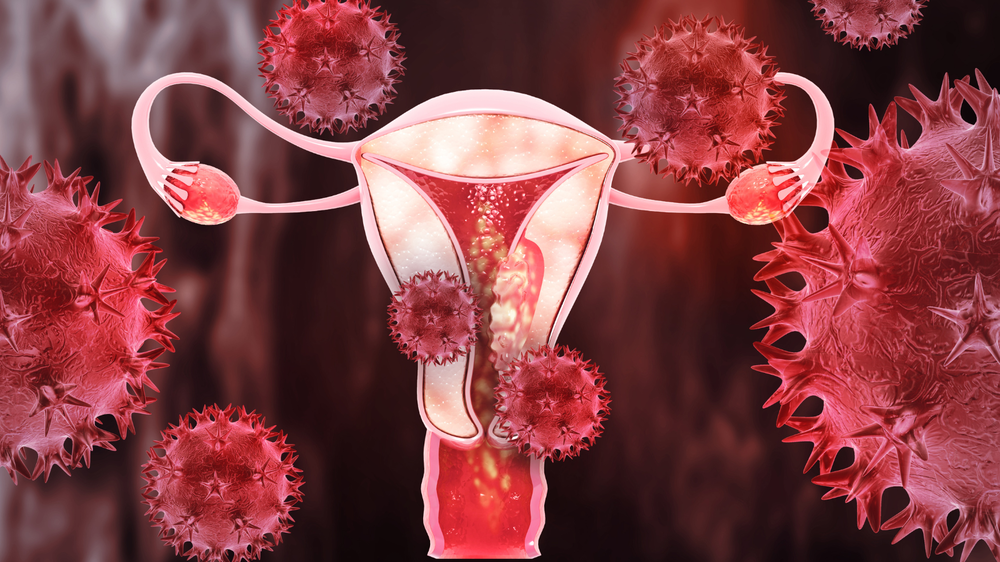
A decidual cast is firm, fleshy, pink-red, and shiny. It is roughly triangular, follows the shape of the uterine cavity, and can measure about 5 cm. It is made of endometrial tissue, mucus, and blood.A decidual cast may look different from an ordinary menstrual clot. A blood clot is usually soft, irregular, and jelly-like, which breaks apart easily. Only a laboratory (histology) report on the tissue can confirm a cast.
Decidual Cast Symptoms
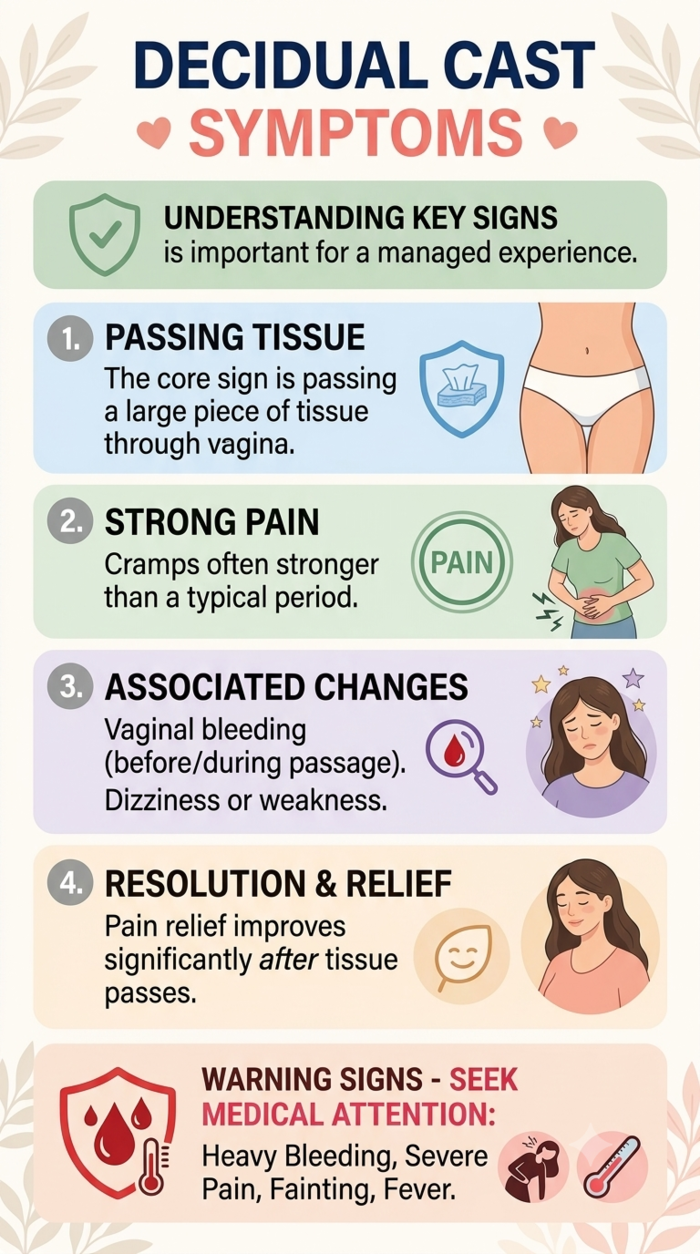
The most common sign is passing a large piece of tissue through the vagina. Other possible symptoms include:- Strong cramps or pelvic pain, often stronger than a usual period
- Vaginal bleeding before or during passage
- Dizziness or weakness
- Pain that improves after the tissue passes
What Causes a Decidual Cast?
Most decidual casts have no identifiable cause. Where a link exists, it usually involves progesterone or progestogen. These hormones thicken the lining through a process called decidualisation. A fall in hormone levels can then make the thickened lining detach and leave the body in one piece.Reported links include:
- Hormonal contraception (pills, implants, injections)
- Progesterone given as part of fertility treatment
- Ectopic pregnancy
- Infection of the uterine lining
“A decidual cast can occur in association with hormonal changes, including the use of progesterone-containing contraception, and does not necessarily indicate an underlying disease or infertility.”
Dr Nandita Palshetkar, Scientific Director & Head, Bloom IVF Unit, Lilavati Hospital
Decidual Cast vs Miscarriage vs Ectopic Pregnancy
| Decidual cast | Miscarriage | Ectopic pregnancy | |
| Pregnancy test | Usually negative | Positive | Positive |
| Tissue passed | Firm, triangular uterine lining | Pregnancy tissue, sac, and clots | A cast may pass in some cases |
| Urgency | Medical review advised | Medical review advised | Emergency |
How Is a Decidual Cast Diagnosed and Treated?
Diagnosis usually involves a pregnancy test, a pelvic ultrasound, and laboratory examination of the tissue.A cast generally needs no procedure. Treatment focuses on pain relief as advised by a doctor and a review of any hormonal medicine in use.
Can You Get Pregnant After Passing a Decidual Cast?
Passing a decidual cast does not by itself mean fertility has been permanently affected. Future fertility depends on your reproductive health and the cause of the cast.If the episode was associated with hormonal contraception, fertility may return after stopping the contraceptive, depending on the method. However, contraception should be continued as advised if pregnancy is not desired.
Anyone trying to conceive after an unusual episode of tissue passage should discuss it with a gynaecologist, particularly if there are recurrent episodes, irregular periods or difficulty becoming pregnant.
When to See a Doctor
Consult a doctor after any episode of tissue passage. Seek urgent care for:- Bleeding that soaks a pad every hour for two hours or more
- Fever or chills
- Foul-smelling discharge
- Severe one-sided pain, shoulder pain, dizziness, or fainting
- A positive pregnancy test
You’re not alone in your journey when trying to conceive. Join our supportive community to connect with others, share experiences, and find encouragement every step of the way.
FAQs on Decidual Cast: The Rare "Uterine Lining Shed Whole" Phenomenon
- Is a decidual cast a miscarriage?
No. A cast is uterine lining, not pregnancy tissue. Miscarriage and ectopic pregnancy can look similar; a pregnancy test and ultrasound can distinguish. - Is a decidual cast dangerous?
It is usually not dangerous. Heavy bleeding, fever, fainting or a positive pregnancy test need urgent care. - Can a decidual cast happen again?
Having one does not appear to raise the risk of another. If tissue passes again, see a gynaecologist, who may check the hormonal medicine in use and rule out pregnancy.