In this article:
An Array of Experiences That Could Occur
As per Dr Chhatrapati, the mothers who have recovered from their C-section surgery can go through an array of different experiences in this stage. They may experience tiredness, physical pain, and mood changes. The array of experiences is quite vast. While there are some women who will feel relieved once their child arrives, there are others who feel very mixed about how they feel. Some women even experience some difficulty understanding the birthing process because it did not go according to plan. This is why there is no one way in which a woman should feel after her C-section delivery.Factors That May Impact Emotional Experiences
A variety of physical issues may influence the emotional experiences during this stage, including the following:- Physical pain and discomfort caused by the incision
- Sleep deprivation due to the care of the newborn baby in addition to the recovery after the surgical procedure
- Changes in hormone levels after the birth, a usual occurrence no matter how the baby has been born
- Any difference between expectations and actual events of delivery
- The availability of practical and emotional support at home
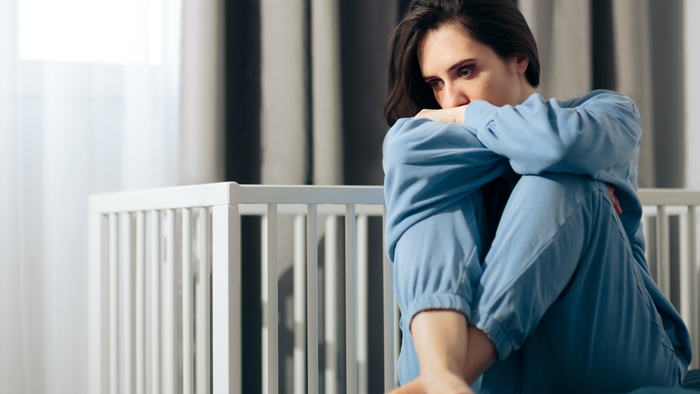
In Cases Where Births Have Not Gone As Planned
There may be emotions associated with a cesarean delivery, especially when it is not planned, due to the way the birth process has deviated from expectations or hopes. When thoughts about the birth experience keep returning and feel unresolved, it would be legitimate to raise this concern with the doctor.Baby Blues and When It Evolves into Something More
There is a phenomenon referred to as baby blues, which occurs in many women shortly after giving birth. It may include mood swings, crying spells or feeling overwhelmed sometimes and is viewed as a normal reaction to the hormonal changes experienced by a new mother due to having a baby, whether it is delivered normally or surgically.If, however, symptoms of being depressed, persistent sadness or inability to function persist for more than two weeks or interfere with everyday activities and bonding with the baby, it can no longer be categorised as the baby blues and requires discussion with a doctor. Postpartum depression and anxiety are real medical conditions that can be treated.
Making Space Within This Time Frame
It can be quite difficult to recover emotionally as well as physically from surgery and to look after an infant. There is no time frame within which a mother will be emotionally recovered following a caesarean delivery. Comparisons between two experiences where one is extremely dissimilar from the other do not help much either.Talking openly with a partner, family, or doctor about how things actually feel, rather than how they are expected to feel, helps a lot.
When to See a Doctor
A doctor should be seen in any of the following cases:- Persistent sadness, anxiety, or mood changes
- Problems with bonding with the baby that worry the mother
- Distress related to the birth experience
- Feelings of hopelessness or lack of ability to cope
- Any significant emotional state change
The post-partum period after a cesarean birth is unique and non-standard, and there is no specific emotion a mother should necessarily experience after the delivery. The focus on her real feelings instead of expected ones and seeking help if something seems persistent or overwhelming could be the most helpful actions during this period.
Whether you’re pregnant, a new mom, or navigating postpartum, you don’t have to do it alone. Join our support group to connect, share, and support one another.
FAQs on Emotional Changes After a C-Section: What to Expect
- Is it normal to feel disappointed, despite the baby being healthy, in the case of a caesarean delivery?
Yes, because women may have mixed emotions concerning the way the birth was performed, despite their baby being healthy. - Is there a difference in emotional recovery in case of an unexpected caesarean delivery compared to the planned one?
Sometimes, yes, because women experiencing unexpected caesarean births need time to come to terms with the event. - Is therapy beneficial in the case of postpartum depression even if there is no diagnosis of postpartum depression?
Yes, because having a diagnosis is not required to receive help from a mental health expert.