We reached out to Dr Astha Gupta, Senior IVF Consultant & Infertility Expert, Obstetrics & Gynaecology, Delhi IVF New Delhi, for a clinical perspective on this.
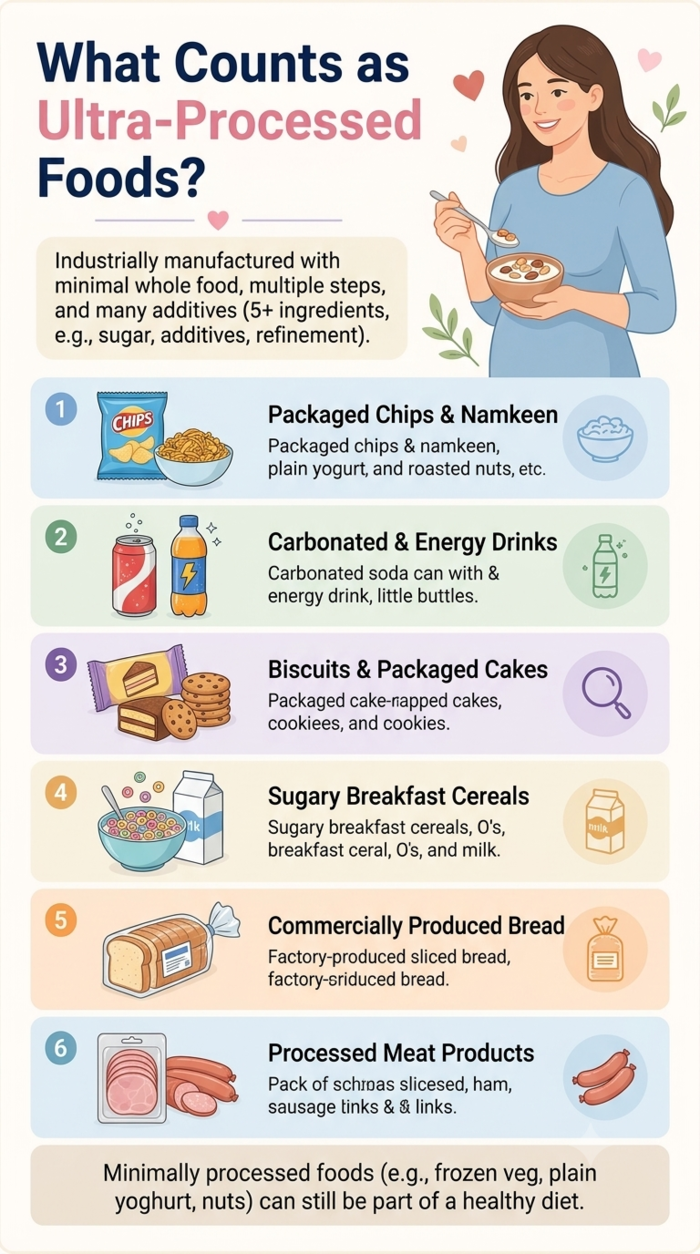
What Counts as Ultra-Processed Foods?
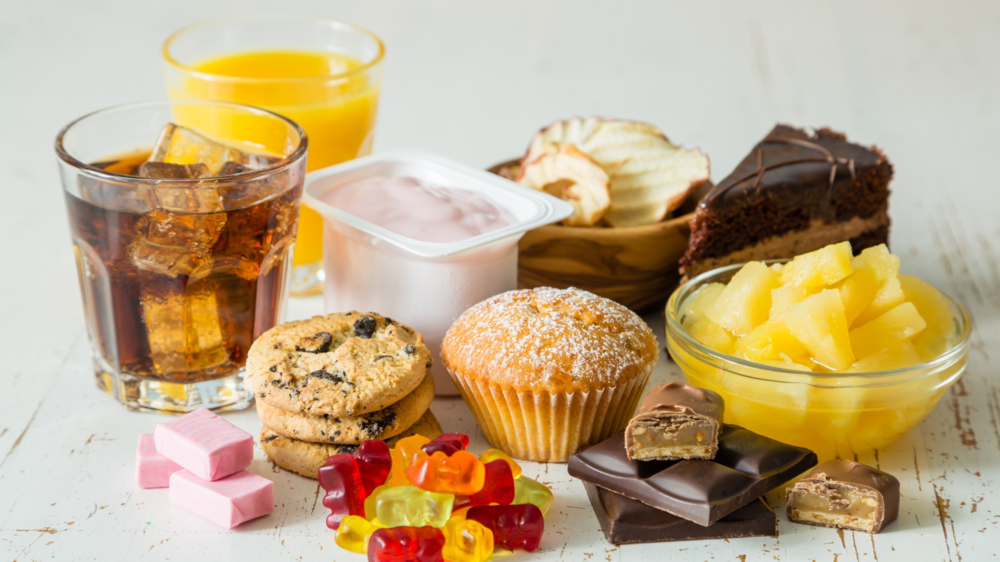
The NOVA classification system, used by nutrition researchers worldwide, groups food into four categories based on the level of processing. Ultra-processed foods sit in the fourth group. They are industrially manufactured products made using multiple processing steps and ingredients not usually found in a home kitchen, containing five or more ingredients, including sugar, refined oil, starch, flavour enhancers, emulsifiers, colours, sweeteners, or preservatives, and little to no whole food.Common examples include:
- Instant noodles
- Packaged chips and namkeen
- Biscuits and packaged cakes
- Carbonated and energy drinks
- Sugary breakfast cereals
- Flavoured yoghurt
- Packaged sweets and desserts
- Processed meat products
- Frozen parathas, sausages and ready-to-eat curries
- Commercially produced breads, spreads, and sauces
Ultra-Processed Foods and Male Fertility
Sperm production can be influenced by nutrition, body weight, physical activity, smoking, alcohol, certain medical conditions, and other lifestyle factors.The Led-Fertyl study of 200 healthy men found that higher ultra-processed food consumption was linked to lower total sperm count, sperm concentration, and total motility.
A separate study of 260 men reported a similar pattern, finding a significant trend linking higher ultra-processed food intake with lower sperm concentration, even though motility and morphology were not significantly affected in that sample.
Researchers point to additives, trans fats, and high sugar content in these foods as possible contributors to oxidative stress, which can damage sperm cells. The concern is more relevant to regular, high consumption over time, particularly when ultra-processed foods replace nutritious foods.
Ultra-Processed Foods and Female Fertility
Researchers analysing US National Health and Nutrition Examination Survey (NHANES) data have examined whether high ultra-processed food intake, already linked to abnormal semen parameters in men, also affects female reproduction.In pregnant women, higher intake of these foods is also linked to poorer overall diet quality, meaning lower consumption of the vitamins, iron, and folate needed to support conception and a healthy pregnancy.
A large ongoing study published in the journal Human Reproduction is tracking how combined ultra-processed food intake by both women and their male partners around the time of conception affects fertility and early embryonic development.
Couples planning pregnancy should focus on a balanced diet rich in fresh fruits, vegetables, whole grains, nuts, seeds, and adequate protein. Limiting packaged and highly processed foods, maintaining a healthy weight, and exercising regularly can support overall reproductive health.
Why Does This Matter For Fertility in India?
Infertility affects roughly 18.7 per 1,000 married women in India, according to National Family Health Survey data from 2019–21. Alongside known contributors like PCOS, obesity, and delayed marriage, changing dietary patterns are drawing increasing attention.Urban Indian diets have shifted from traditional meals built around dal, vegetables, chapati, and rice to packaged snacks, sweetened beverages, and restaurant deliveries. This shift reduces intake of antioxidants and micronutrients found in fresh vegetables, pulses, and seasonal fruit, which support egg and sperm health.
How to Reduce Ultra-Processed Food Intake to Support Fertility?
Cutting out packaged food completely is not necessary. Small, consistent changes make the most difference:- Swap packaged snacks: Replace packaged snacks with roasted chana, nuts, fruit, or homemade poha.
- Cook more meals at home: Choose fresh dal and sabzi over frozen, ready-to-heat curries.
- Choose water more often: Replace soft drinks and sugary beverages with water, unsweetened buttermilk, or plain milk.
- Limit sugary drinks and packaged juices: Opt for nimbu paani or coconut water.
- Change cooking techniques: Cook with whole spices and minimally refined oils instead of pre-mixed masalas with added preservatives.
- Read food labels: Check the ingredient list and nutrition information, especially for high amounts of added sugar, salt, or saturated fat, and avoid items with long lists of additives.
FAQs on How May Ultra-Processed Foods Affect Fertility?
- Can eating junk food cause infertility?
Research shows an association, not direct proof of cause, between high ultra-processed food intake and poorer fertility markers, including lower sperm count and reduced egg quality. - Should I completely avoid ultra-processed foods when trying to conceive?
Not necessarily. Focus on reducing frequent consumption and making whole or minimally processed foods the main part of your diet.