In this article:
What Is the Mediterranean Diet?
The Mediterranean diet is a balanced way of eating inspired by the traditional food habits of countries bordering the Mediterranean Sea, such as Greece, Italy, and Spain. Rather than focusing on strict rules, it encourages eating a variety of wholesome, minimally processed foods that nourish your body.How Is the Mediterranean Diet Different from Restrictive Diets?
Unlike restrictive diets that often require cutting out entire food groups or counting calories, the Mediterranean diet focuses on balance, variety, and long-term healthy eating habits. This makes it easier to follow while supporting overall health, including reproductive health, before and during your fertility journey.Can the Mediterranean Diet Improve Fertility?
Yes, the Mediterranean diet may support fertility.A 2023 study published in the American Journal of Obstetrics and Gynaecology, which included 32 studies involving more than 103,000 women, found that greater adherence to the Mediterranean diet was associated with favourable fertility-related outcomes.
A 2024 review study published in Frontiers in Nutrition analysed 10 studies involving 2,032 men and found that greater adherence to the Mediterranean diet was generally associated with improved semen quality, including higher sperm concentration, motility, and morphology.
Following this eating pattern alongside a healthy lifestyle may help prepare your body for pregnancy.
Key Foods That Make Up a Mediterranean Fertility Diet
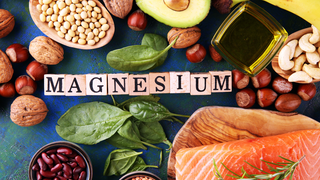
The following table shows the main foods included in a Mediterranean fertility diet and their potential benefits:| Food Group | Examples | How It May Support Fertility |
| Fruits | Berries, oranges, apples, pomegranates | Rich in antioxidants that help protect reproductive cells from oxidative stress |
| Vegetables | Spinach, broccoli, tomatoes, leafy greens | Provide folate, vitamins, minerals, and fibre |
| Whole grains | Oats, quinoa, brown rice, whole wheat | Support steady energy levels and digestive health |
| Healthy fats | Extra virgin olive oil, avocado | Help support hormone production and nutrient absorption |
| Nuts and seeds | Walnuts, almonds, pumpkin seeds, chia seeds | Provide healthy fats, zinc, selenium, and vitamin E |
| Legumes | Lentils, chickpeas, kidney beans | Rich in plant protein, iron, and fibre |
| Fish | Salmon, sardines, mackerel | Supply omega-3 fatty acids that support reproductive health |
| Dairy | Greek yoghurt, curd, milk | Provide calcium, protein, and vitamin B12 |
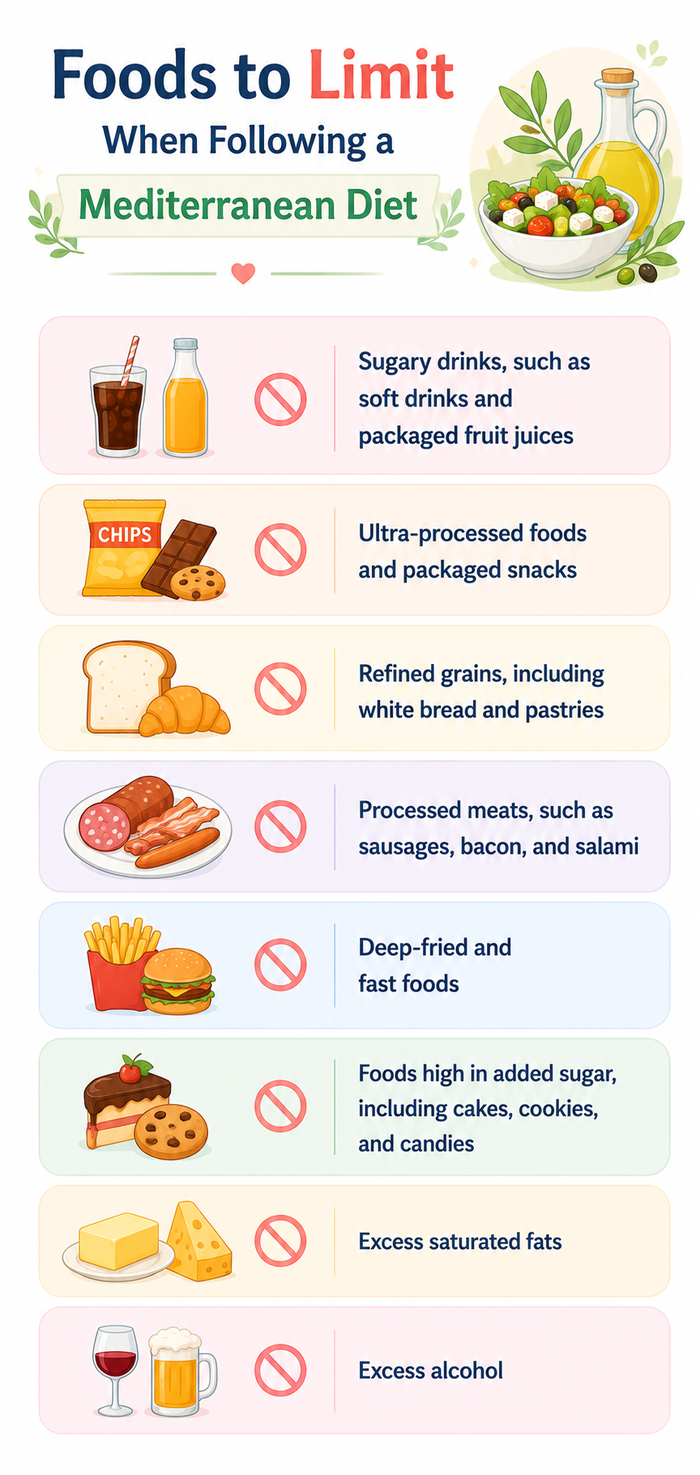
Foods to Limit When Following a Mediterranean Diet
Here are some foods to limit when following a Mediterranean fertility diet:- Sugary drinks, such as soft drinks and packaged fruit juices
- Ultra-processed foods and packaged snacks
- Refined grains, including white bread and pastries
- Processed meats, such as sausages, bacon, and salami
- Deep-fried and fast foods
- Foods high in added sugar, including cakes, cookies, and candies
- Excess saturated fats
- Excess alcohol
One-Day Indian Mediterranean Fertility Meal Plan
The sample meal plan below shows how you can follow a Mediterranean fertility diet using simple, everyday Indian foods.| Meal | Include |
| Breakfast | Vegetable oats upma with a bowl of curd and mixed berries or seasonal fruit |
| Mid-Morning Snack | Apple or guava with a handful of almonds and walnuts |
| Lunch | Brown rice or multigrain roti, dal, mixed vegetable sabzi, cucumber salad, and curd |
| Evening Snack | Roasted chana or sprouts chaat with lemon |
| Dinner | Grilled paneer or baked fish with sautéed vegetables and quinoa or millet roti |
Who May Benefit Most from This Diet?
It may be especially helpful for:- Women trying to conceive naturally
- Men looking to support sperm health
- Couples preparing for IVF or other fertility treatments
- Women with PCOS or insulin resistance as part of an overall treatment plan
- People who are overweight or have obesity and want to improve their overall health before pregnancy
Limitations: What the Mediterranean Diet Cannot Do
While the Mediterranean diet offers many health benefits, it also has some limitations.It is important to understand that it cannot:
- Guarantee pregnancy
- Cure infertility on its own
- Replace fertility medications or medical treatment
- Treat conditions such as blocked fallopian tubes or severe male factor infertility
- Reverse advanced reproductive conditions, such as severe endometriosis or diminished ovarian reserve
- Deliver immediate results, as healthy dietary changes take time to show benefits
You’re not alone in your journey when trying to conceive. Join our supportive community to connect with others, share experiences, and find encouragement every step of the way.
FAQs on Is the Mediterranean Diet Good for Fertility? Benefits, Foods to Eat and Meal Tips
- How long should I follow the Mediterranean diet before trying to conceive?
Explain that many experts recommend adopting healthy eating habits at least three months before conception, as both egg and sperm development benefit from consistent nutrition. - Can vegetarians follow the Mediterranean diet for fertility?
Yes. Vegetarian versions of the Mediterranean diet include legumes, whole grains, nuts, seeds, fruits, vegetables, dairy, and healthy fats such as olive oil. These foods provide many nutrients that support overall reproductive health when eaten as part of a balanced diet. - Is olive oil important in a Mediterranean fertility diet?
Extra virgin olive oil is a key part of the Mediterranean diet because it provides healthy monounsaturated fats and antioxidants. It can be used in cooking, salads, and homemade dressings as a healthier alternative to saturated fats.