In this article:
What Nutrients Does Butter Provide During Pregnancy?
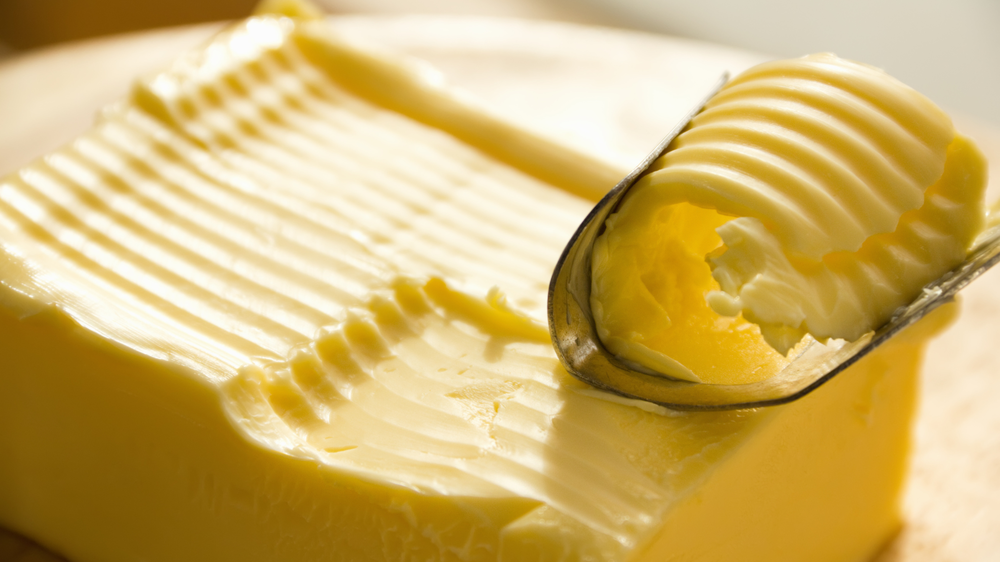
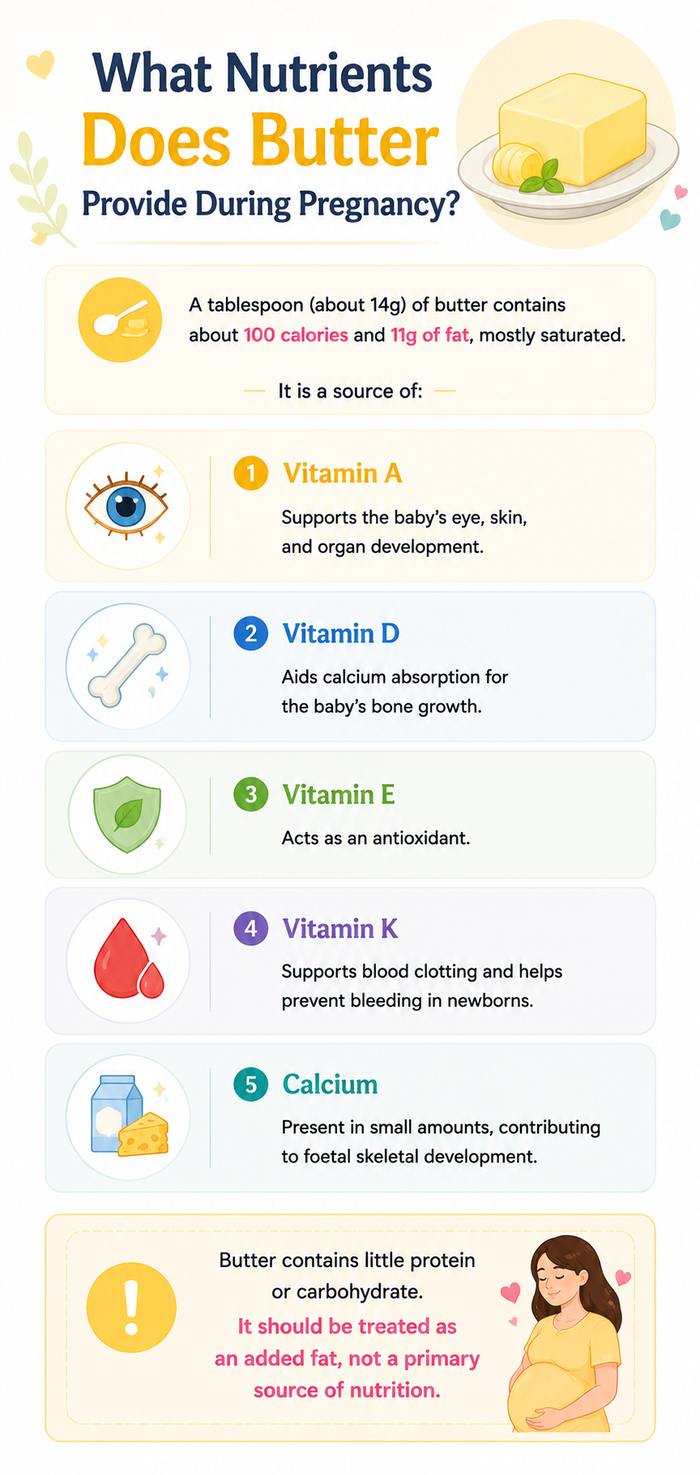
A tablespoon (about 14g) of butter contains roughly 100 calories and 11g of fat, mostly saturated. It is a source of:- Vitamin A: Supports the baby's eye, skin, and organ development
- Vitamin D: Aids calcium absorption for the baby's bone growth
- Vitamin E: Acts as an antioxidant
- Vitamin K: Supports blood clotting and helps prevent bleeding in newborns
- Calcium: Present in small amounts, contributing to foetal skeletal development
Is Butter Safe to Eat in the First Trimester?
Is Butter Safe to Eat in the First Trimester?
Pasteurised butter is safe in the first trimester when used in small quantities. The fat in butter helps the body absorb fat-soluble vitamins from other foods eaten in the same meal, such as vegetables cooked with butter. Cooking or heating butter further reduces any risk of contamination.Raw, unpasteurised butter, including homemade butter made from unboiled milk, can carry Listeria monocytogenes, a bacterium linked to miscarriage, stillbirth, and severe newborn infection.
This applies to butter made at home from raw milk sold by local dairies. Butter made from pasteurised milk, whether bought commercially or prepared at home using boiled and cooled milk, does not carry this risk.
Can Eating Too Much Butter Be Harmful in Pregnancy?
Excess butter intake can contribute to:- Excess weight gain: Butter is calorie-dense, and unmonitored intake adds up quickly.
- High cholesterol: Its saturated fat content can raise LDL cholesterol levels if eaten in large amounts.
- Reduced intake of nutrient-dense foods: Filling up on butter can displace proteins, fibre, and micronutrients needed in pregnancy.
- Gestational diabetes risk factors: A high-fat, low-fibre diet pattern is linked with poor blood sugar control.
Butter vs Ghee During Pregnancy: Which Is Better?
Ghee is clarified butter with the milk solids removed. Ghee is more commonly used than butter in pregnancy diets, particularly in the third trimester and postpartum period.| Butter | Ghee | |
| Calories | ~102 kcal | ~120 kcal |
| Total fat | ~11.5g | ~14g |
| Saturated fat | ~7g | ~9g |
| Milk solids | Present | Removed |
| Lactose/casein | Present | Minimal |
| Smoke point | Lower | Higher, better for Indian cooking |
| Vitamin A, D, E, K | Present | Present, slightly more concentrated |
| Shelf stability | Needs refrigeration | Stable at room temperature |
Both should be used in moderation. Ghee's higher smoke point makes it more suitable for Indian cooking methods such as tempering and frying, while butter is better suited to spreading or finishing a dish.
How Much Butter Is Safe Per Day in Pregnancy?
1–2 teaspoons (5–10g) a day is a reasonable limit as part of a varied, balanced diet. This amount fits within the overall recommendation to keep added fats and oils to a moderate share of daily calories during pregnancy.Women with gestational diabetes, high cholesterol, or a history of heart disease should check individual limits with their doctor or dietitian.
Is Salted or Unsalted Butter Better During Pregnancy?
Unsalted butter is the better choice in pregnancy. Salted butter typically contains 90–100mg of sodium per tablespoon, which adds to daily sodium intake without any nutritional benefit.Pregnant women with high blood pressure, pre-eclampsia risk, or swelling in the hands and feet should be particularly cautious, as excess sodium can worsen fluid retention.
Unsalted butter also allows better control over salt levels in home-cooked meals, especially when combined with other high-sodium Indian staples such as pickles and packaged snacks. It has a shorter shelf life than salted butter and should be refrigerated and used within a few weeks of opening.
If only salted butter is available, using it in smaller portions or balancing the day's overall salt intake is a practical alternative rather than avoiding butter altogether.
Butter, eaten in small amounts and from a pasteurised or well-cooked source, can be part of a healthy pregnancy diet without added risk.
Whether you’re pregnant, a new mom, or navigating postpartum, you don’t have to do it alone. Join our support group to connect, share, and support one another.
FAQs on Butter During Pregnancy: Benefits, Risks, and How Much Is Safe
- Can I eat butter every day during pregnancy?
Yes, in small amounts of 1–2 teaspoons a day. Daily use in larger quantities can add excess calories and saturated fat. - Can butter help with pregnancy weight gain in underweight women?
Yes, its calorie density can help underweight women meet calorie targets, but it should be combined with protein and nutrient-rich foods rather than used alone. - Does butter cause weight gain in pregnancy?
Butter is calorie-dense; eating it in excess can contribute to weight gain. Moderate portions within a balanced diet do not cause weight gain on their own.