In this article:
What BMI Range Is Considered High Risk in Pregnancy?
A BMI of 18.5 to 24.9 is considered a healthy range. A BMI of 25 or above is associated with pregnancy risks, and the higher the BMI, the greater those risks become. A BMI of 30 or above is classified as obese and is generally considered high risk in pregnancy, needing additional monitoring and care.Waist circumference is another marker doctors look at, since abdominal obesity can occur even at a moderate BMI. NFHS-5 data shows this is common among Indian women, with abdominal obesity affecting a larger share of women than general obesity by BMI alone.
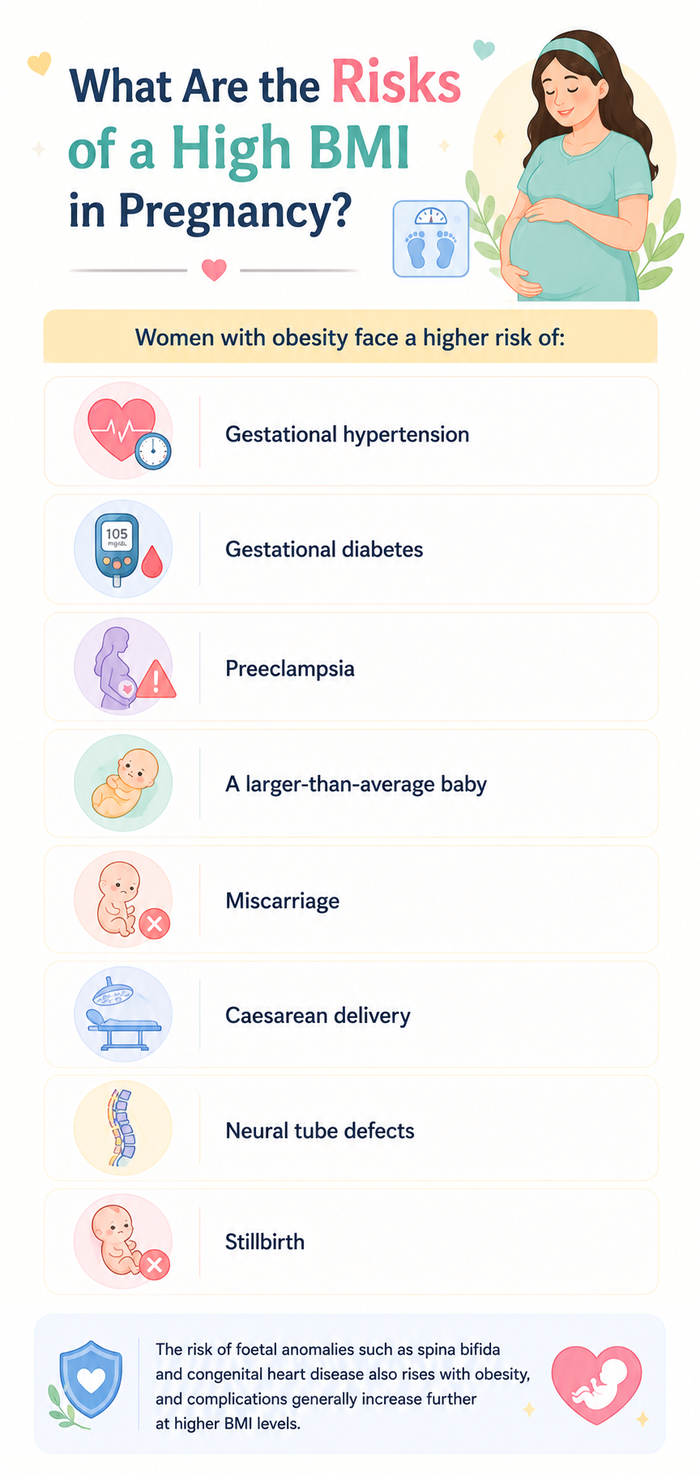
What Are the Risks of a High BMI in Pregnancy?
Women with obesity face a higher risk of:- Gestational hypertension
- Gestational diabetes
- Preeclampsia
- A larger-than-average baby
- Miscarriage
- Caesarean delivery
- Neural tube defects
- Stillbirth
A 2021 study found a significant association between raised pre-pregnancy BMI and complications including postpartum haemorrhage and macrosomia.
Despite this list, most women who are overweight go on to have a healthy pregnancy when risk factors are tracked from the start.
How Is a High BMI Pregnancy Monitored Differently?
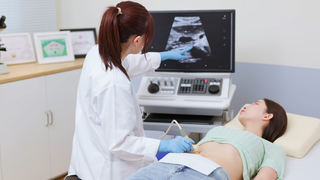
Doctors recommend glucose screening at the first prenatal visit, between 12 and 14 weeks, for women with a BMI of 30 or above, followed by a repeat test at 24 to 28 weeks if the first result is normal.A detailed ultrasound is advised instead of a routine scan for women with a BMI above 30, since anomaly detection can be harder at a higher BMI. Women with a BMI of 30 or above are also advised to take a higher dose of folic acid, 5 mg a day, instead of the standard dose.
Because of the higher chance of caesarean delivery and surgical complications, an anaesthesia consultation before delivery is also recommended.
How Much Weight Should You Gain During Pregnancy With a High BMI?
Weight gain guidelines recommend 6.8 to 11.3 kg for women with a BMI of 25 to 29, and around 6.8 kg for women with a BMI of 30 or above, compared with 11.3 to 15.9 kg for women in the healthy BMI range.Gaining within this range, rather than aiming for weight loss, is the goal during pregnancy itself. Losing weight before conception is the more effective step, since even a small amount of pre-pregnancy weight loss can improve outcomes.
How Can You Manage a High-BMI Pregnancy Safely?
A few practical steps can help manage a high-BMI pregnancy safely:- Attend all scheduled antenatal visits; blood pressure, blood sugar, and foetal growth are tracked most closely.
- Follow a balanced, high-fibre diet with controlled portions of rice, chapati, and sugar, common contributors to gestational diabetes in Indian diets.
- Stay physically active with doctor-approved activity such as walking or prenatal yoga, unless advised otherwise.
- Monitor weight gain against the BMI-specific range rather than following generic pregnancy weight charts.
- Report symptoms such as severe headaches, swelling, or reduced foetal movement promptly, as these can signal preeclampsia.
You’re not alone in your journey when trying to conceive. Join our supportive community to connect with others, share experiences, and find encouragement every step of the way.
FAQs on Can You Have a Healthy Pregnancy With a High BMI?
- Does a high BMI always mean a caesarean delivery?
No. A high BMI increases the chance of caesarean delivery, but many women with a raised BMI have a vaginal birth, especially with good blood sugar and blood pressure control. - Can losing weight during pregnancy help lower these risks?
Weight loss is not advised during pregnancy. Doctors recommend staying within the suggested weight gain range for your BMI category rather than trying to lose weight. - Is it safe to exercise during a high-BMI pregnancy?
Yes, moderate exercise such as walking or prenatal yoga is generally safe and recommended for women with a high BMI, unless your doctor advises otherwise due to specific pregnancy complications. Always get clearance from your doctor before starting or continuing a routine.