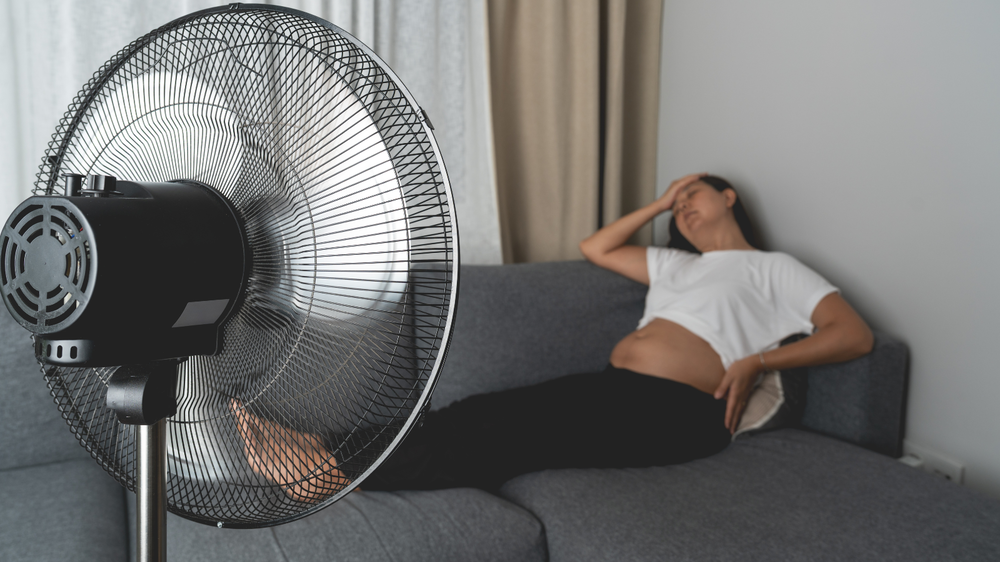
The good news is that these heat surges are usually normal and manageable. In this article, we'll explore the top 5 causes of pregnancy hot flashes so you can understand what's happening and feel more confident staying cool and comfortable.
What do Hot Flashes Mean?
Hot flashes consist of a short spell of intense heat, especially on your face, neck, and upper part of your body. They may be accompanied by perspiration, redness, and a fast heartbeat. These signs may occur during any trimester of your pregnancy, and they are usually harmless.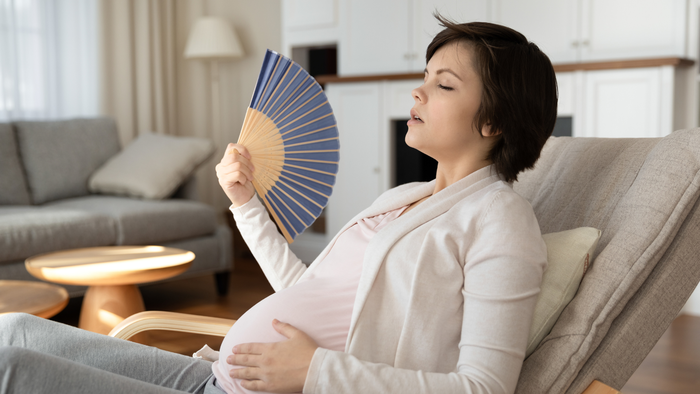
Top 5 Causes of Hot Flashes During Pregnancy
Hot flashes during pregnancy are caused by the following factors:1. Hormonal Changes
Hot flashes happen because of changes in hormones. They affect the body's ability to regulate temperature. During pregnancy, hormonal imbalances are caused by the increase in the level of oestrogen. Progesterone is responsible for the increase in blood circulation and, therefore, warmth in your body.
2. Increased Blood Volume and Circulation
There is an increased production of blood during pregnancy to provide nutrients and oxygen for your baby. Blood volume increases by 50%, which leads to the expansion of blood vessels to facilitate better circulation throughout the body.
3. Increased Metabolism
Pregnancy increases your body’s workload. There is increased metabolism to ensure proper fetal growth. This produces more energy, resulting in internal heat production. This causes sweating and hot flashes.
4. Insulation Due to Weight Gain
A healthy weight gain is a good thing during pregnancy, but it may also affect your body temperature. Increased fat provides insulation to the body, causing heat entrapment. Any further physical activity will increase heat build-up rapidly.
5. Mood Fluctuations and Stress
Pregnancy leads to a series of emotional ups and downs. The stress could activate your nervous system, increasing your heartbeat and body temperature. Stress management could help prevent these episodes.
When to Get Professional Help
Hot flashes normally do not pose any harm; however, certain symptoms may call for medical attention. Remember that pregnancy is a period during which your health and that of your unborn child matter.It is time to call your doctor if:
- You have a constant high temperature instead of transient warming
- You have extreme dizziness and fainting spells
- Your heartbeat becomes fast or irregular and doesn't normalise
- You feel dehydrated, resulting in dry mouth and infrequent urination
Simple Strategies to Deal With Hot Flashes During Pregnancy
There are some simple methods you could use to make yourself more comfortable during pregnancy and manage hot flashes:- Drink at least 7-8 glasses of water throughout the day
- Wear loose clothes that are made of cotton
- Create a cool environment using a fan or air conditioning wherever required
- Avoid foods and drinks that could cause hot flashes, such as spicy foods, caffeine, hot beverages, processed or fried foods
- Eat a balanced diet to maintain proper nutrition, which should include fresh fruits, vegetables, whole grains, and dairy products
- Use relaxation methods like meditation, yoga, or breathing exercises to improve your mood and reduce stress
Several methods to manage hot flashes include proper hydration, wearing comfortable and cool clothes, and lowering stress levels. The most important thing is to pay attention to your body and watch for any severe symptoms, and to seek medical help when required.
Whether you’re pregnant, a new mom, or navigating postpartum, you don’t have to do it alone. Join our support group to connect, share, and support one another.
FAQs on Why Do Hot Flashes Happen During Pregnancy? Top 5 Causes
- Does dehydration cause hot flashes in pregnancy?
Dehydration causes the body temperature to increase and leads to the occurrence of hot flashes. Proper hydration ensures that you stay cool and comfortable. - Do hot flashes last even after delivery?
Yes, postpartum hot flashes can happen after delivery, but they are usually temporary and fade as hormone levels settle, often within days to weeks. If they continue beyond 6-8 weeks, consult your doctor. - Can I exercise during hot flashes?
Yes, but keep it moderate. Light to moderate exercise is usually fine, while intense workouts can briefly exacerbate hot flashes.