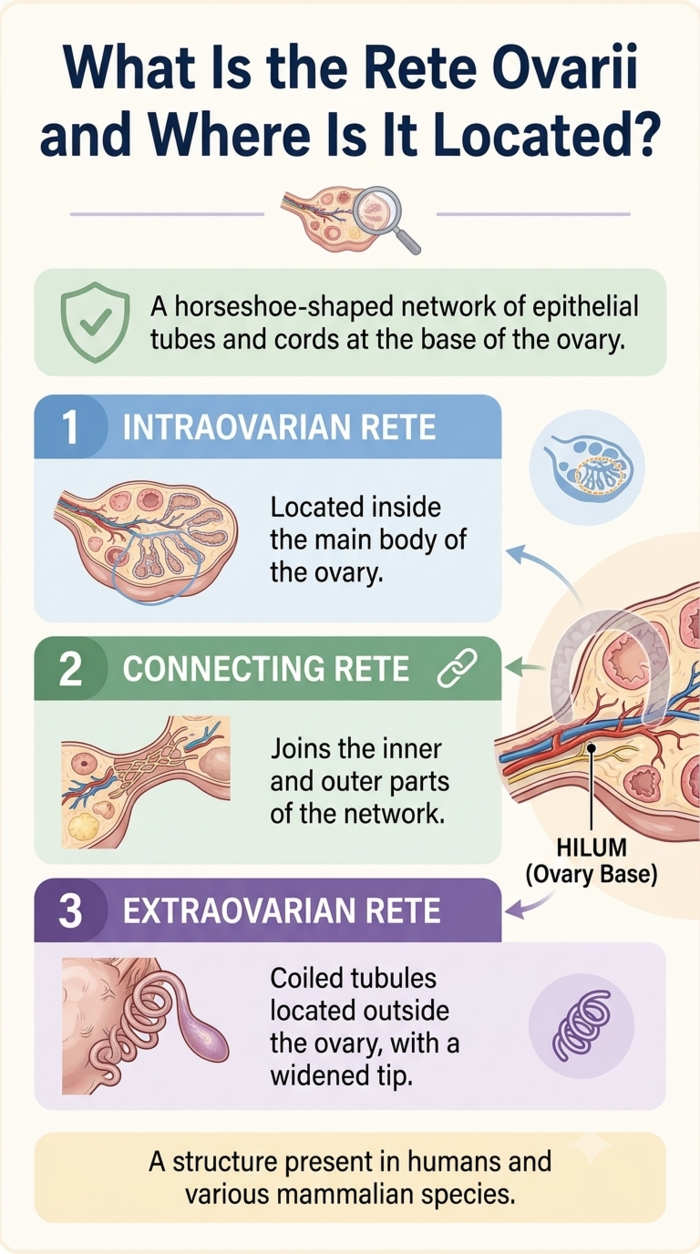
What Is the Rete Ovarii and Where Is It Located?
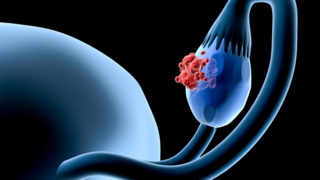
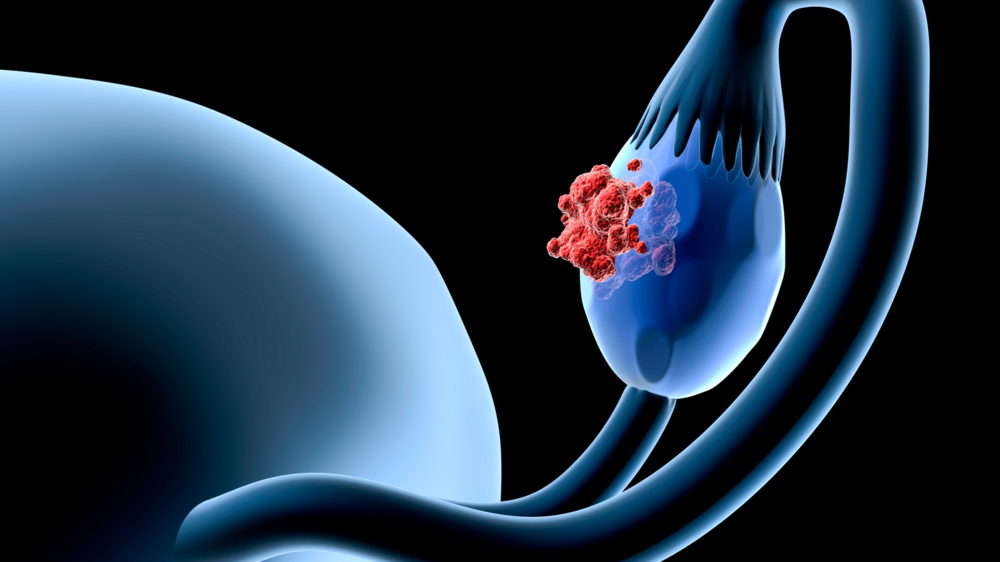
The rete ovarii (RO) is a horseshoe-shaped network of tubes (epithelial cells arranged in cords and tubes) at the base of the ovary, where blood vessels and nerves enter. It develops during embryonic life from cells associated with the mesonephros, an early structure involved in the development of the urinary and reproductive systems.It has three parts:
- Intraovarian rete: Located inside the ovary.
- Connecting rete: Joins the inner and outer parts.
- Extraovarian rete: Coiled tubules outside the ovary that end in a widened tip.
Is the Rete Ovarii a New Organ?
The German anatomist Waldeyer described it in 1870. It appeared in early editions of Gray's Anatomy, then disappeared from modern textbooks because no function could be seen. It was labelled vestigial, meaning a leftover from earlier development.Scientists have uncovered evidence suggesting that it may be more active and complex than previously thought. This distinction matters because social media headlines can make new research sound like the discovery of an entirely new organ.
Posts calling it "new" describe a rediscovery. The Duke researchers suggest adding it to the standard list of female reproductive parts: vulva, vagina, cervix, uterus, oviducts and ovaries.
What Does the Rete Ovarii Do?
The exact functions of the rete ovarii are not yet established, but the study identified several clues. The team, led by Dilara Anbarci and Blanche Capel, found four things:- Fluid flow: Dye injected into the extraovarian rete moved towards the ovary. This suggests that the rete ovarii may help transport substances, although its physiological role in living humans remains unknown.
- Protein production: Researchers detected proteins in the fluid inside the extraovarian rete. Some of these proteins could potentially contribute to ovarian development or maintenance. At birth, the tubes held thousands of proteins made by their own cells. One, IGFBP2, may influence growth factors involved in egg follicle development.
- Hormone response: Cells of the rete ovarii switch on genes for hormone receptors, including those for oestrogen and progesterone. These hormones help regulate the menstrual cycle. The authors suggest the structure may pick up hormonal signals from the body and pass them to the ovary through the proteins it releases.
- Nerve contact: Nerve fibres appear to touch the muscle tissue around the rete ovarii. This contact may trigger contractions that pump fluid towards the ovary. One region of the rete ovarii also connects to nerve fibres, which fits a sensory role. With the hormone findings, this led the authors to describe the rete ovarii as a possible “antenna” for the ovary.
Could the Rete Ovarii Affect Fertility?
The discovery has potential implications for reproductive research, but it is too early to conclude that the rete ovarii directly controls human fertility.The ovaries contain follicles, which house immature eggs and support their development. Ovarian function depends on interactions between egg cells, surrounding support cells, hormones, blood supply, and other local signals.
If future studies establish that the rete ovarii helps regulate these processes, understanding it could improve knowledge of ovarian development and certain reproductive disorders.
However, the 2025 study primarily examined mouse ovaries. Scientists must establish whether the observed mechanisms operate in the same way in humans before concluding infertility, egg quality, ovarian reserve, or fertility treatments such as IVF.
What Does This Research Mean For Women?
For women, the findings highlight the importance of continued research into female reproductive health. Conditions affecting ovulation, ovarian function, and fertility can have several causes, and better understanding of ovarian biology may eventually contribute to evolving research and care.However, the rete ovarii is not currently an established clinical test or treatment target. Women experiencing irregular periods, difficulty conceiving, or other reproductive concerns should consult a gynaecologist for appropriate evaluation rather than seek tests or treatments based on social media claims.
The rete ovarii may be an overlooked contributor to ovarian biology, but further research is needed to determine its precise role in human reproductive health.
You’re not alone in your journey when trying to conceive. Join our supportive community to connect with others, share experiences, and find encouragement every step of the way.
FAQs on Rete Ovarii: Has Science Discovered a New Female Organ?
- What is the male equivalent of the rete ovarii?
The rete testis. It helps maintain fluid in the testes and moves sperm. - Can problems with the rete ovarii cause infertility?
There is currently insufficient evidence to establish that abnormalities of the rete ovarii cause infertility in humans.