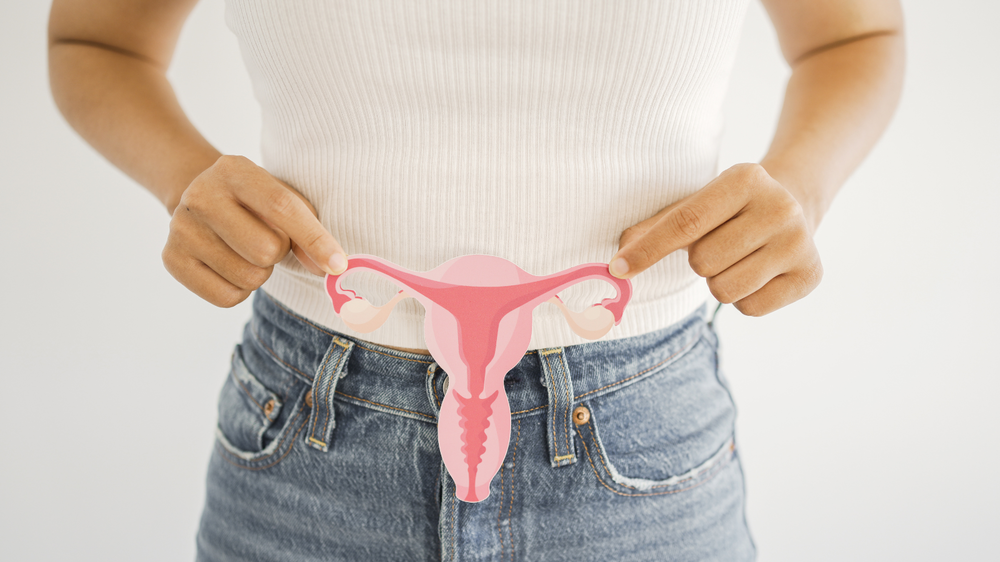
In such cases, your fertility specialist may investigate a rare condition called Resistant Ovary Syndrome. Although uncommon, timely evaluation and the right treatment approach can help you understand your options and plan the next steps with confidence.
To better understand Resistant Ovary Syndrome, its diagnosis, and available treatment options, we spoke to Dr Monica Aggarwal, Associate Director, Department of Gynaecology at Cloudnine Group of Hospitals, Chandigarh.
What Is Resistant Ovary Syndrome?
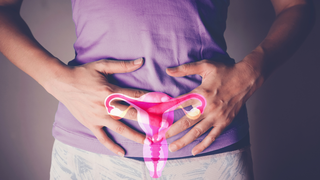
Resistant Ovary Syndrome (ROS) is also called ovarian insensitivity or Savage syndrome, a rare condition where the ovaries contain eggs but do not respond properly to follicle-stimulating hormone (FSH), the hormone that helps eggs grow and mature each month.A woman may have elevated FSH and LH levels but a relatively preserved ovarian reserve, including follicles visible on ultrasound and sometimes normal AMH levels. As a result, ovulation may not happen regularly, making ovulation difficult and reducing the chances of pregnancy.
Common Causes of Resistant Ovary Syndrome
Possible causes of Resistant Ovary Syndrome include:- Genetic changes: Changes in certain genes, including the FSH receptor gene, may affect how the ovaries respond to FSH.
- FSH receptor problems: The ovaries may not respond normally to FSH, preventing the eggs from maturing.
- Autoimmune disorders: The immune system may interfere with normal ovarian function in some women.
- Unknown causes: In many cases, the exact cause cannot be identified.
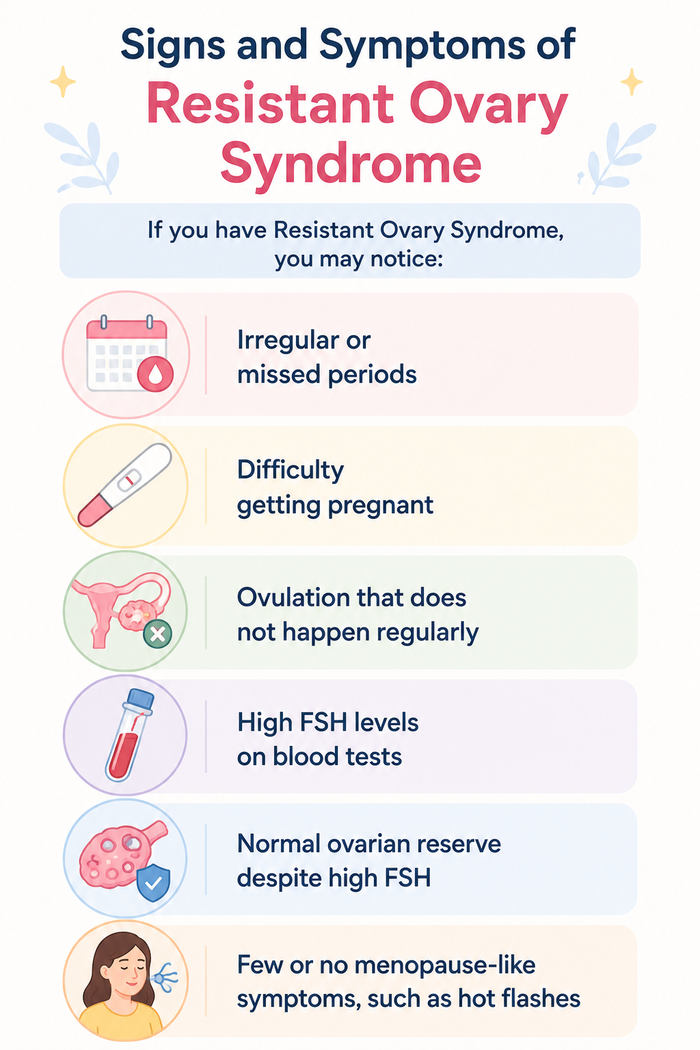
Signs and Symptoms of Resistant Ovary Syndrome
If you have Resistant Ovary Syndrome, you may notice:- Irregular or missed periods
- Difficulty getting pregnant
- Ovulation that does not happen regularly
- High FSH levels on blood tests
- Normal ovarian reserve despite high FSH
- Few or no menopause-like symptoms, such as hot flashes
How Is Resistant Ovary Syndrome Diagnosed?
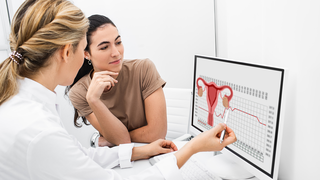
Diagnosing Resistant Ovary Syndrome requires a detailed fertility assessment to understand how your ovaries are functioning."Resistant Ovary Syndrome can closely resemble premature ovarian insufficiency, so it is important not to rely on a single test. A detailed fertility evaluation helps us reach the correct diagnosis."
- Dr Monica Aggarwal, Associate Director, Department of Gynaecology at Cloudnine Group of Hospitals, Chandigarh
- Medical and menstrual history
- Blood tests to check FSH, LH, estradiol, and AMH levels
- Pelvic ultrasound to assess ovarian follicles and antral follicle count
- Genetic or autoimmune tests, if needed
- Other fertility tests to rule out similar conditions
Resistant Ovary Syndrome vs Premature Ovarian Insufficiency
Resistant Ovary Syndrome (ROS) and Premature Ovarian Insufficiency (POI) may have similar symptoms, but they are different conditions.The following table shows how ROS differs from POI:
| Feature | Resistant Ovary Syndrome (ROS) | Premature Ovarian Insufficiency (POI) |
| Ovarian follicles | Usually present | Reduced or absent |
| FSH levels | High | High |
| AMH levels | May be normal | Often low |
| Ovulation | Usually absent or irregular | Usually absent |
| Fertility potential | May respond to fertility treatment in some cases | Often lower; donor eggs may be needed |
Treatment Options for Resistant Ovary Syndrome
Treatment for Resistant Ovary Syndrome (ROS) is personalised and depends on your symptoms, fertility goals, and ovarian function.Your doctor may recommend:
- Hormone replacement therapy (HRT) to manage low estrogen symptoms, if needed
- Ovulation induction medications, although the response may be limited
- In vitro fertilisation (IVF) in selected cases
- Donor egg IVF if the ovaries do not respond to treatment
- Fertility counselling to discuss treatment options and family-building choices
Can You Get Pregnant with Resistant Ovary Syndrome?
Yes. Pregnancy is possible with Resistant Ovary Syndrome (ROS), although the chances vary from woman to woman. Your age, ovarian function, and response to treatment all affect the outcome.A 2022 study published in Frontiers in Medicinereported that about 13% of women with ROS achieved a spontaneous pregnancy after low-dose hormone replacement therapy (HRT). The study also found that some women have conceived through IVF or in vitro maturation (IVM), while donor egg IVF may be recommended if the ovaries do not respond to treatment.
When Should You See a Fertility Specialist?
You should consult a fertility specialist if you:- Have irregular or missed periods
- Have been trying to conceive without success
- Have high FSH levels on blood tests
- Are not ovulating regularly
- Have been told your ovaries contain follicles but are not responding to treatment
You’re not alone in your journey when trying to conceive. Join our supportive community to connect with others, share experiences, and find encouragement every step of the way.
FAQs on What Is Resistant Ovary Syndrome? Causes, Symptoms & Treatment
- Can Resistant Ovary Syndrome affect only one ovary?
Although ROS usually affects both ovaries, the degree of hormone resistance may vary. Your fertility specialist can assess how each ovary is functioning through ultrasound and hormone tests. - Does Resistant Ovary Syndrome increase the risk of early menopause?
ROS is different from early menopause. Some women with ROS continue to have ovarian follicles for years, but regular follow-up with a fertility specialist is important. - Can women with Resistant Ovary Syndrome freeze their eggs?
In some cases, egg freezing may be considered if mature eggs can be obtained. Whether this is possible depends on your ovarian response and should be discussed with your fertility specialist.