What is Hepatitis A?
Hepatitis A is a liver infection caused by the hepatitis A virus (HAV), a highly contagious virus that spreads through contaminated food, water, or close contact with an infected person.Unlike hepatitis B or C, hepatitis A does not lead to chronic liver disease; most people recover fully within a few weeks to months.
It has an incubation period of 15 to 50 days between exposure and the onset of symptoms. Hepatitis A is common in countries with limited access to clean water and sanitation.
What Causes Hepatitis A Infection in Pregnancy?
Common sources of infection include:- Contaminated water
- Raw or undercooked shellfish
- Unwashed fruits and vegetables
- Contaminated cooking/eating utensils
- Contaminated toys
What Are the Symptoms of Hepatitis A During Pregnancy?
Symptoms include:- Fatigue
- Nausea
- Vomiting
- Low-grade fever
- Abdominal pain
- Dark-coloured urine
- Jaundice (yellowing of the skin and eyes)
Does Hepatitis A Affect the Baby During Pregnancy?
Most women with hepatitis A during pregnancy do not develop serious complications, and the infection does not cause long-term developmental problems in the child. However, studies show an increased chance of preterm labour, especially when the mother has a fever. Placental abruption, where the placenta separates from the uterus early, has also been reported.Vertical transmission of HAV to the baby is rare but possible, and can cause neonatal hepatitis, a liver inflammation that appears after birth.
How Is Hepatitis A Diagnosed and Treated During Pregnancy?
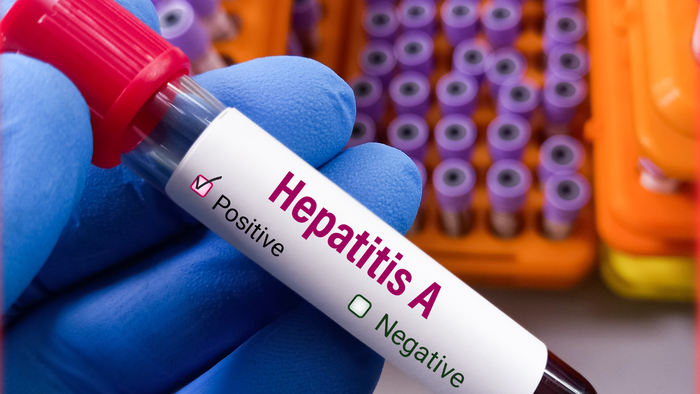
Diagnosis is confirmed through a blood test that detects IgM antibodies against HAV. There is no specific antiviral treatment for hepatitis A; management focuses on rest, hydration, and monitoring liver function, similar to care given to non-pregnant patients.Newborns of infected mothers may be given hepatitis A immunoglobulin within 48 hours of birth, as advised by the CDC and the American Academy of Pediatrics, to reduce the risk of transmission.
Can Pregnant Women Take the Hepatitis A Vaccine?
The hepatitis A vaccine contains an inactivated (killed) virus and is not known to harm the developing baby. It may be considered during pregnancyfor women at higher risk of exposure, such as those travelling to areas with poor sanitation or during a local outbreak.Ideally, women planning a pregnancy, particularly those without prior HAV exposure, should discuss vaccination with their doctor before conceiving.
How Can Pregnant Women Prevent Hepatitis A?
Pregnant women can lower their risk of Hepatitis A with these precautions:- Drink boiled or filtered water, and avoid ice from unknown sources
- Wash fruits and vegetables thoroughly before eating
- Avoid street food and raw shellfish, especially during the monsoon season, when HAV cases rise in many parts of India
- Wash hands with soap after using the toilet and before eating
- Consult a doctor about vaccination if not previously exposed to HAV
When to See a Doctor
Pregnant women should contact a doctor immediately if they notice yellowing of the skin or eyes, dark-coloured urine, or persistent vomiting that prevents them from keeping fluids down.A fever above 100.4°F (38°C), severe abdominal pain, or reduced foetal movement also needs urgent medical attention.
Early diagnosis helps doctors monitor liver function and watch for complications such as preterm labour. Any combination of these symptoms should not be ignored, even if mild at first.
Hepatitis A during pregnancy is manageable with early diagnosis, supportive care, and simple hygiene precautions that lower the risk to both mother and baby.
Whether you’re pregnant, a new mom, or navigating postpartum, you don’t have to do it alone. Join our support group to connect, share, and support one another.
FAQs on Hepatitis A During Pregnancy: How It Affects Your Baby
- Can Hepatitis A cause miscarriage?
Hepatitis A is not directly linked to miscarriage, but severe infection with high fever may raise the risk of preterm labour. - Is breastfeeding safe if a mother has Hepatitis A?
Yes. The risk of HAV transmission through breast milk is minimal, and health bodies, including the CDC, state there is no reason to stop breastfeeding. The benefits of breastfeeding outweigh this small risk. - Can I get vaccinated against Hepatitis A after delivery?
Yes, the hepatitis A vaccine is safe during breastfeeding and does not affect the quality of breast milk or how well the vaccine works.