In this article:
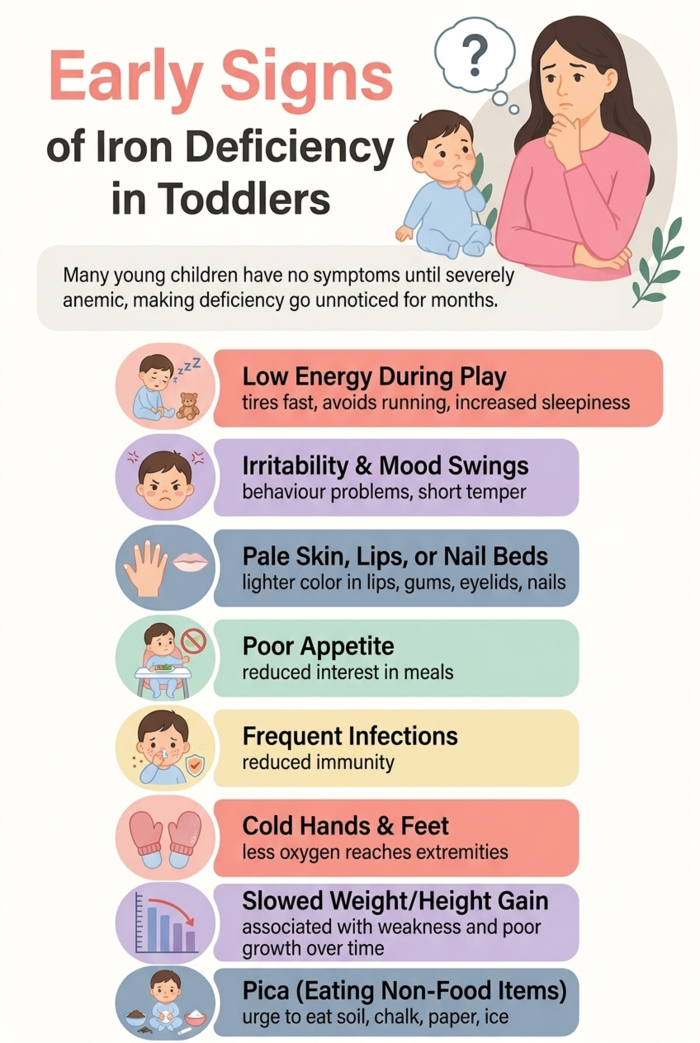
Early Signs of Iron Deficiency in Toddlers
Most young children don't have symptoms unless they are severely anaemic, which is why the deficiency often goes unnoticed for months. Subtle signs include:- Low energy during play: A toddler who tires faster than usual or avoids running around. Increased sleepiness can also occur.
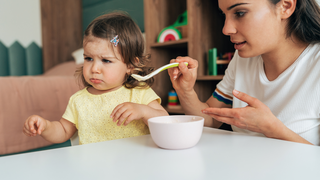
- Irritability and mood swings: Behaviour problems or being more short-tempered than usual can point to low iron, not just a difficult phase or typical toddler tantrums.
- Pale skin, lips, or nail beds: A light pink or pale colour to the lips, gums, eyelid edges, or nail beds is a common but easily missed sign.
- Poor appetite: Eating less or showing reduced interest in meals. This can create a cycle in which low food intake leads to less iron intake from the diet.
- Frequent infections: Children with low iron can catch infections more often due to reduced immunity.
- Cold hands and feet: Low haemoglobin reduces how efficiently oxygen reaches the extremities, which can leave a toddler's hands and feet feeling cooler than usual even in warm weather.
- Slowed weight or height gain over time: Significant or prolonged iron deficiency may be associated with weakness and poor weight gain or growth. This is particularly important when a child is also a poor eater or has a highly restricted diet.
- Pica: A less obvious sign is pica, the repeated urge to chew or eat non-food substances. A child may try to eat soil, chalk, paper, ice, or other non-food materials.
Common Causes of Iron Deficiency in Toddlers
Toddlers grow rapidly, and their iron stores from birth run out around six months of age, making diet the main source. Iron deficiency may occur in young children due to the following reasons:- A diet low in iron: Toddlers who avoid iron-rich foods like meat and vegetables.
- Too much cow's milk: Toddlers who drink more than 700 ml of milk a day are at the highest risk since milk contains no iron and can block iron absorption from other foods.
- A highly selective diet: Toddlers filling up on milk, curd, or milk-based foods while skipping dals, leafy vegetables, and eggs.
- Fussy eating: At 18–24 months, combined with low intake of iron-fortified cereals, adds to the risk.
- Certain digestive conditions: Toddlers with digestive conditions that affect nutrient absorption, such as coeliac disease, or those with ongoing blood loss from the gut, are also at higher risk of iron deficiency, independent of diet.
Iron-Rich Foods for Toddlers: Indian Options
A balanced diet can include a variety of iron-containing foods. Depending on your child's diet and family preferences, options include:- Dal and lentils
- Beans, rajma, and chickpeas
- Green leafy vegetables (spinach, methi)
- Millet (ragi and bajra)
- Iron-fortified cereals (check the nutrition label for added iron)
- Animal foods (egg, chicken, fish and meat)
- Nuts and seeds
- Dried fruits (in an age-appropriate safe form)
When Should a Toddler Be Tested for Iron Deficiency?
Symptoms alone cannot diagnose iron deficiency. If your toddler has several signs, eats a very restricted diet, drinks large amounts of milk, or has risk factors for anaemia, speak with a paediatrician.The doctor may recommend a complete blood count (CBC) to assess haemoglobin and iron status. If anaemia is confirmed, the cause should be identified rather than assuming that every case is due to low dietary iron.
Treatment usually involves dietary changes, adding iron-rich foods and iron supplement drops or syrup prescribed by a paediatrician. Limiting cow's milk to around 400–500 ml a day for toddlers over one year can also help iron absorption.
Iron deficiency in toddlers is common but manageable once identified. Routine screening combined with a varied, iron-rich diet remains the most reliable way to protect a toddler's growth and development.
Whether you’re pregnant, a new mom, or navigating postpartum, you don’t have to do it alone. Join our support group to connect, share, and support one another.
FAQs on Iron Deficiency in Toddlers: Signs Parents Often Miss
- At what age should toddlers be screened for iron deficiency?
The AAP recommends a haemoglobin test at 12 months, with further screening based on risk factors such as excess milk intake or a restricted diet. - How long does it take to correct iron deficiency in a toddler?
With dietary changes and iron supplements, haemoglobin levels usually start improving within 4–6 weeks, though iron stores can take up to three months to rebuild.