Dr Pragyan Dash, Consultant Gynaecologist and IVF Specialist at 9M Fertility By Ankura Hospital, Bhubaneswar, explains that treatments such as in vitro fertilisation (IVF), intracytoplasmic sperm injection (ICSI), and embryo transfer may be considered after a detailed fertility assessment.
Know how these treatments work and their success outcomes through this comprehensive blog!
What is Assisted Reproductive Technology?
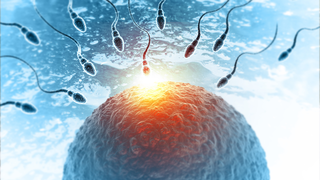
Assisted Reproductive Technology (ART) includes fertility treatments where eggs, sperm, or embryos are handled outside the body to support pregnancy. In vitro fertilisation (IVF) is a common ART procedure in which eggs are retrieved from the ovaries and fertilised with sperm in a laboratory.Intracytoplasmic sperm injection (ICSI) involves injecting a single sperm directly into a mature egg. It may be used for certain male-factor infertility cases or previous fertilisation failure. ART may also help with blocked tubes, ovulation problems, reduced ovarian reserve, and unexplained infertility after assessing both partners.
ART should be planned according to each couple’s fertility needs, medical history, treatment response and realistic expectations about pregnancy outcomes.
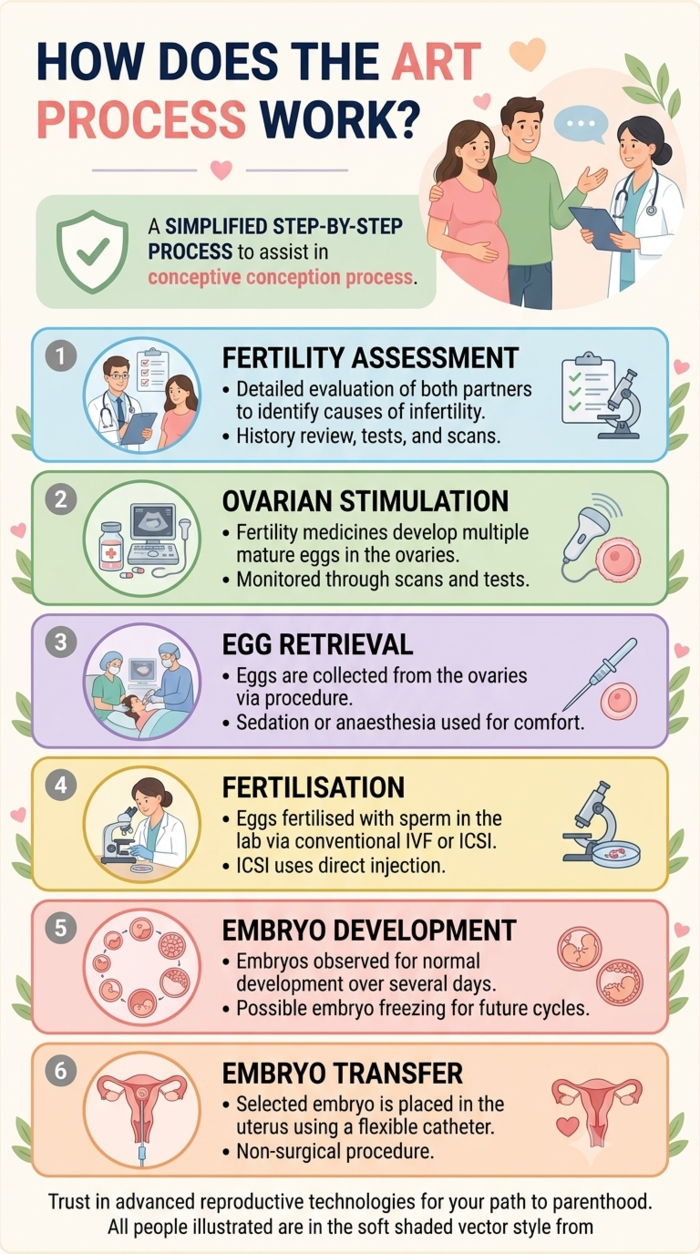
How Does the ART Process Work?
ART involves several stages. The exact process may differ depending on the treatment and the couple's medical needs.1. Fertility Assessment
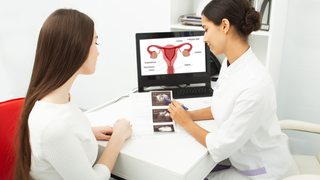
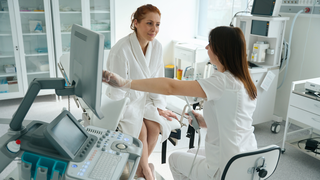
Treatment usually begins with a detailed fertility evaluation. The doctor reviews the medical history of both partners and may recommend blood tests, ultrasound scans, ovarian reserve testing, and semen analysis. The evaluation helps identify possible causes of infertility and determines which treatment may be suitable.
2. Ovarian Stimulation
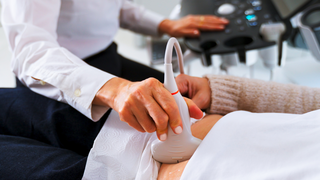
In an IVF cycle, fertility medicines are used to stimulate the ovaries to develop several mature eggs. The response is monitored through ultrasound scans and, when required, blood tests. Monitoring allows the fertility specialist to adjust medicines and determine when the eggs are ready for retrieval.
3. Egg Retrieval
Once the follicles have developed sufficiently, the eggs are collected from the ovaries through a procedure known as egg retrieval. The procedure is generally performed with sedation or anaesthesia to improve comfort. The collected eggs are then taken to the laboratory for fertilisation.
4. Fertilisation
The eggs are fertilised with sperm in the laboratory. Conventional IVF allows sperm and egg to meet under controlled laboratory conditions. With ICSI, an embryologist injects a single sperm directly into an egg. The fertilised eggs are monitored for signs of normal development.
5. Embryo Development
After fertilisation, embryos are observed in the laboratory for several days. The fertility team assesses their development and identifies embryos that may be suitable for transfer. In some cases, embryos can be frozen and stored for future treatment cycles.
6. Embryo Transfer
A selected embryo is placed into the uterus using a thin, flexible catheter. The procedure does not usually require surgery. If implantation occurs, pregnancy can develop. A blood pregnancy test is performed after the recommended waiting period to determine whether treatment has resulted in pregnancy.
What Determines ART Success Rate?
Dr Pragyan Dash explains that several factors can influence the ART outcome, which include the following:- Woman's age
- Ovarian reserve and egg quality
- Sperm count, movement, and quality
- Embryo quality
- Uterine health
- Certain medical conditions
- Previous fertility treatment
- Type of ART used
- Response to fertility medicines
Understanding the Success Rate of ART
In India, ART, especially IVF, achieves a live-birth or “take-home baby” rate of approximately 35-40% per treatment cycle. Younger women generally have better outcomes, while rates decline significantly after 35 to 40 years.Cumulative success improves with repeated attempts. ICMR data reports approximately 60% pregnancy rates over six IVF cycles among younger couples. However, pregnancy rate is not the same as live-birth rate; clinics should report outcomes transparently according to age and treatment type.
How Can Couples Prepare for ART?
Proper preparation helps couples understand the ART process and address concerns beforehand. They should share their medical history, previous fertility treatments, and current medications with the doctor. Discussing treatment schedules, possible side effects, costs, and follow-up visits is also important. Dr Pragyan Dash recommends a personalised treatment plan, with prescribed medicines and regular appointments to monitor progress and outcomes.What Happens if the First ART Cycle Is Not Successful?
The first ART cycle not resulting in pregnancy does not mean further treatment cannot work. The fertility specialist may:- Review the treatment response and cycle outcome
- Assess egg, sperm, and embryo-related factors
- Review the uterine lining and embryo transfer process
- Adjust medicines or treatment protocols for another cycle
- Discuss alternative ART options when appropriate
Whether you’re trying to conceive or navigating IVF, you’re not alone. Join our supportive communities to connect, share, and find strength with others on the same journey.
FAQs on ART (Assisted Reproductive Technique): Process and Success Rate Explained
- Can embryos be preserved for later use?
Yes, embryos can be preserved for future use through vitrification, a rapid freezing technique. Frozen embryos can later be thawed and transferred during another treatment cycle. - Is hospitalisation necessary for ART?
Hospitalisation is generally not required for ART. Most procedures are performed on an outpatient basis, allowing patients to return home the same day. - What lifestyle changes should couples adopt during ART?
Couples should follow a balanced diet, stay physically active, avoid smoking and alcohol, manage stress, sleep well, and follow medical advice.