In this article:
Why Do You Sneeze and Cough More During Pregnancy?
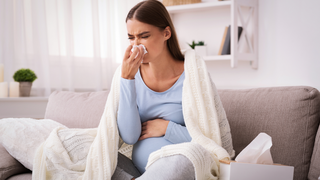
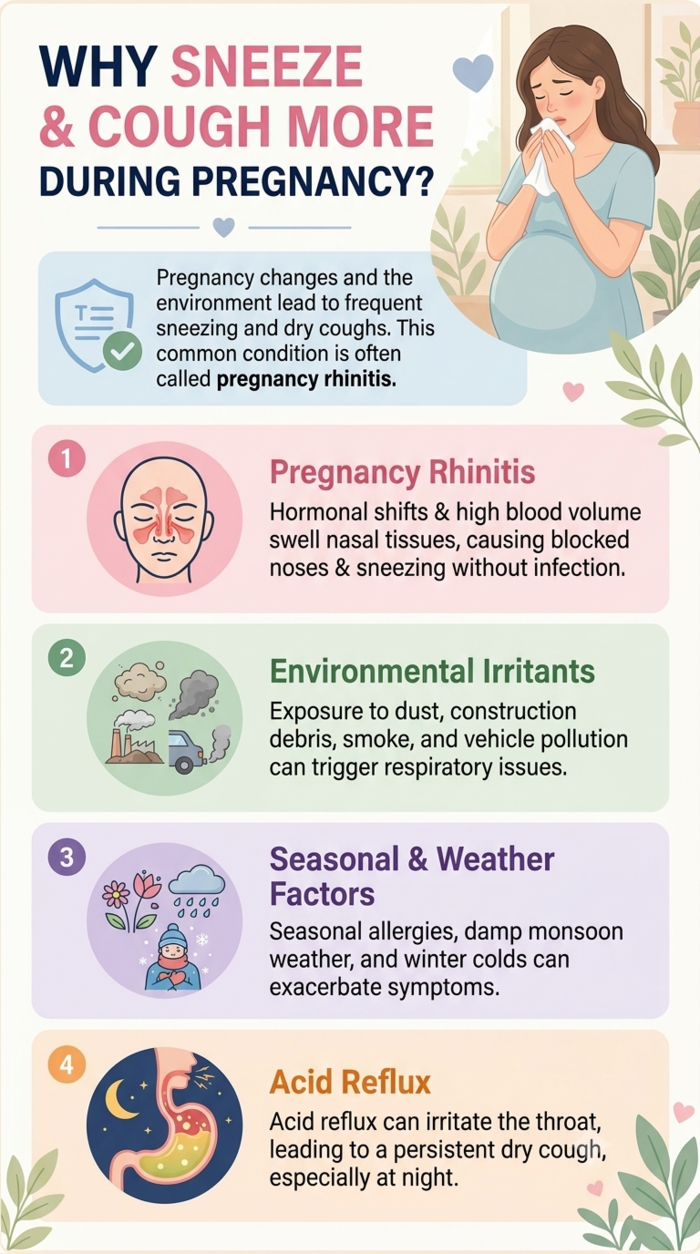
Pregnancy hormones and higher blood volume cause swelling in the lining of the nose. This causes a blocked or runny nose and frequent sneezing, called pregnancy rhinitis. It affects up to 30% of pregnant women and can last for weeks without any infection.Other triggers include:
- Dust, construction debris, smoke, and vehicle pollution
- Seasonal allergies and damp weather during the monsoon
- Viral colds in winter
- Acid reflux, which causes a dry cough at night
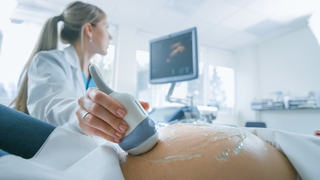
In pregnancy, sneezing or coughing usually does not hurt the baby. Your baby is safe inside the uterus because of the fluid, muscle, and other tissues.
Can Coughing Cause Miscarriage or Premature Labour?
An occasional cough is not generally considered a cause of miscarriage or premature labour. The uterus is designed to protect the developing baby, and amniotic fluid cushions the foetus.The risk of premature labour rises with severe infections such as pneumonia, not with an occasional cough.
Why Does Your Stomach Hurt When You Sneeze or Cough in Pregnancy?
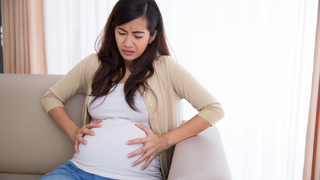
A sudden, sharp pain low in the belly or groin is usually round ligament pain. These ligaments support the growing uterus. They stretch as it enlarges and can pull sharply during a sneeze. The pain lasts a few seconds and is common in the second trimester.Other effects of coughing and sneezing include:
- Sore ribs or abdominal muscles after a long bout of coughing
- Leaking urine, because the growing uterus presses on the bladder and pelvic floor
- Bend your knees slightly and support your belly with both hands before a sneeze.
- Practise pelvic floor (Kegel) exercises daily.
- Change positions slowly.
When Can a Cough or Cold Affect Pregnancy?
The cause of the cough matters more than the cough itself.- Fever: A temperature of 38°C (100.4°F) or above in early pregnancy is linked to a higher risk of neural tube defects.
- Flu, COVID-19 and pneumonia: These can be more severe in pregnancy and may raise the risk of preterm labour.
- Whooping cough: The Tdap vaccine is advised between 27 and 36 weeks of every pregnancy.
- Persistent cough: A cough lasting over a week may point to asthma, a chest infection or tuberculosis and needs testing.
Sneezing and Coughing in Pregnancy: Common Myths
| Myth | Fact |
| Sneezing can cause a miscarriage. | No study links sneezing or coughing to miscarriage. |
| A hard cough can loosen the placenta or harm the baby. | Amniotic fluid and the muscles of the uterus protect the baby. Placental detachment is linked to causes such as injury to the abdomen, high blood pressure, and smoking, not to a cough. |
| A sneeze is a bad omen. | This is a cultural belief. Sneezing before a task is seen as inauspicious in some households, but it has no link to the baby's health. |
| Hold in the sneeze to protect the baby. | Holding it in does not protect the baby. It can cause ear or throat discomfort. |
| Curd, banana, or cold foods cause a cold in pregnancy. | No evidence shows that these foods cause colds. A cold is caused by a virus or an allergy. |
| Herbal kadha is natural, so it is safe in any amount. | Natural does not mean safe in pregnancy. Ingredients such as pepper, clove, and ajwain in large amounts should be checked with your doctor. |
| Avoid all medicines during a cold, as they will harm the baby. | Some medicines are safe in pregnancy. An untreated fever can harm the baby. |
Safe Ways to Ease Sneezing and Coughing During Pregnancy
Most mild colds settle with home care. These measures are considered safe in pregnancy:- Use saline nasal drops or spray to clear a blocked nose.
- Take steam inhalation for a few minutes, using warm water and taking care to avoid burns.
- Drink warm water, soup, and other fluids throughout the day.
- Sip warm water with a teaspoon of honey, or ginger or tulsi tea, in moderation.
- Sleep with an extra pillow to reduce night cough and reflux.
- Wear a mask in dusty or polluted areas and check the local air quality index before going out.
- Wash your hands often, especially during flu season.
Whether you’re pregnant, a new mom, or navigating postpartum, you don’t have to do it alone. Join our support group to connect, share, and support one another.
FAQs on Can Sneezing or Coughing Hurt the Baby?
- Can sneezing cause a miscarriage?
No. A sneeze does not cause a miscarriage or harm the baby. - When should I worry about a cough during pregnancy?
Seek medical advice for fever, breathlessness, chest pain, blood in phlegm, or a cough lasting over a week. - Which cough syrup is safe during pregnancy?
Take a cough syrup only after your doctor approves it. Some contain alcohol or decongestants that are not advised in pregnancy.