In this article:
Why Does Your Back Hurt After a C-section?
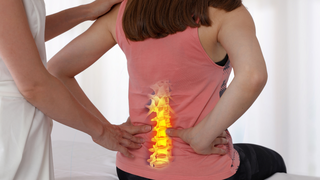
Several factors combine to produce back pain after a caesarean delivery.- The surgery itself: A C-section involves cutting through the abdominal muscles and uterus. Healing from this can cause pain and inflammation in the back muscles and nearby ligaments. Additionally, the scar from a C-section can put strain on the back muscles.
- Scar tissue: As a caesarean scar heals, the different layers of skin and fascia can become adhered to each other, limiting the range of motion. These adhesions may lead to future problems, including hip or back pain.
- Postural changes: The centre of gravity changes during pregnancy, and the muscles adjust to the growing belly. After delivery, these adjustments can cause strain on the back. In India, where many new mothers spend extended hours sitting on the floor during the jaappa period, breastfeeding, changing nappies, or resting on a mattress, posture-related back strain is particularly common.
- The hormone relaxin: During pregnancy, the hormone relaxin loosens the joints and ligaments to prepare for childbirth. This makes it easy to strain the back or pelvis even with small activities. The pain usually subsides gradually in the months after delivery once the joints and ligaments begin to strengthen.
- Newborn care demands: Caring for a newborn is physically demanding, lifting and carrying a baby, bending for nappy changes and baths, and leaning over during breastfeeding or bottle feeding, all of which put extra strain on the back.
Does the Spinal Injection (Epidural) Cause Permanent Back Pain?
The spinal injection given during a C-section does not cause permanent back pain. However, localised soreness at the injection site is normal and typically settles within a few weeks.A retrospective analysis of 303 women found that anaesthesia type, whether spinal or general, was not associated with increased persistent low back pain. Baby weight after the C-section was the only variable linked to persistent low back pain at 3 and 6 months.
Another randomised study followed 369 women who received either epidural or non-epidural pain relief during labour and found no significant difference in the incidence of long-term back pain between the two groups.
How Long Does Back Pain After a C-section Last?
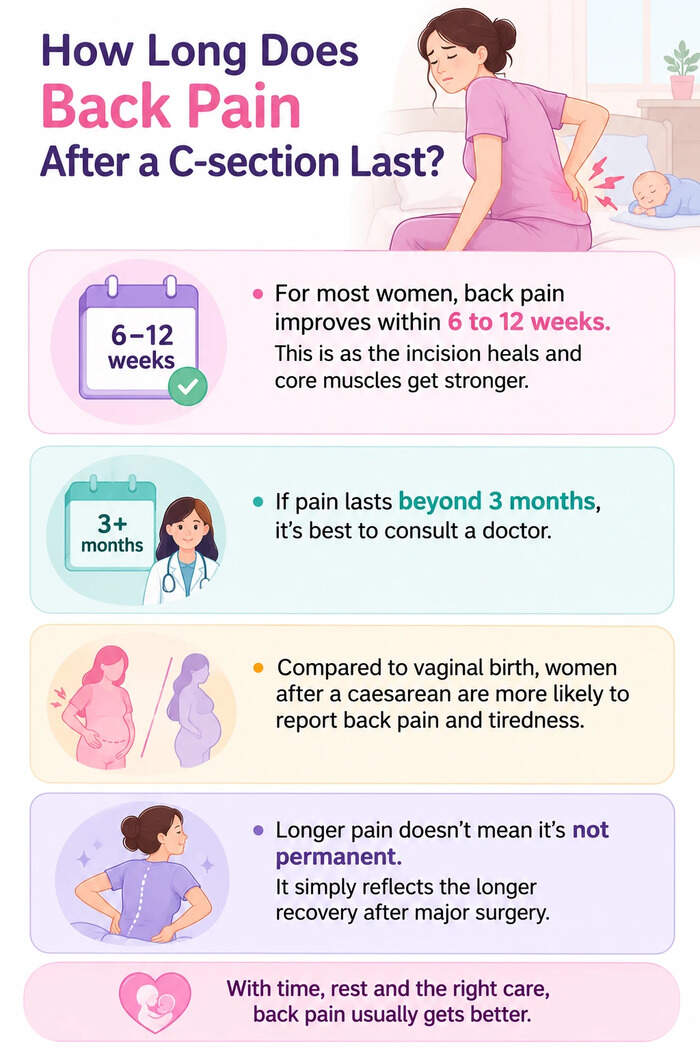
For most women, acute pain improves within 6 to 12 weeks as the incision heals and the core muscles begin to strengthen. However, if the pain persists beyond 3 months, it is advisable to seek a professional evaluation.A minority of women do experience longer-lasting pain. Compared with women who had a vaginal birth, women after a caesarean were more likely to report back pain, along with extreme tiredness. This does not mean the pain is permanent; it reflects the longer recovery curve of a major abdominal surgery.
What Helps Reduce Back Pain After a C-section?
- Physiotherapy: Physiotherapy and mobilisation for the lower back, hip joint, and soft tissue improve patient satisfaction and recovery. Physiotherapy for postpartum back pain is typically safe to begin 8 to 10 weeks after a C-section, though simple breathing and pelvic floor exercises can start earlier with professional guidance.
- Scar massage: Once the wound has healed (usually after 6 weeks), a gentle massage around the scar can reduce adhesions that contribute to back stiffness. Scar tissue release helps break up adhesions and assists with proper tissue healing.
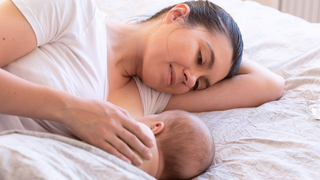
- Posture and feeding position: Using a firm chair rather than the floor, supporting the baby with a nursing pillow, and keeping the spine upright during feeds all reduce back strain during the recovery period.
- Abdominal belt: Evidence suggests that abdominal belts can reduce post-C-section distress and help new mothers become mobile more quickly.
- Walking: Mobility and exercise after a caesarean assist in maintaining a clear chest, improving circulation, preventing joint stiffness, and reducing back pain. Walking is the best gentle form of early exercise.
When Should You See a Doctor?
Seek medical attention if you experience:- Back pain that worsens rather than improves over time
- Numbness, tingling, or weakness in the legs
- Loss of bladder or bowel control
- High fever with redness or discharge at the incision site
- Pain that prevents you from caring for your baby
Back pain after a C-section is a recognised and treatable part of surgical recovery, not a permanent condition. With physiotherapy, posture correction, and appropriate rest, most women regain full comfort within the first few months postpartum.
Whether you’re pregnant, a new mom, or navigating postpartum, you don’t have to do it alone. Join our support group to connect, share, and support one another.
FAQs on Is Back Pain After C-Section Permanent?
- Can back pain after a C-section affect breastfeeding?
Yes. Back pain can make it difficult to hold a comfortable feeding position for extended periods. Using a nursing pillow, sitting in a firm chair with back support, and keeping the baby at breast height rather than hunching forward can reduce strain during feeds. - Does back pain after a C-section affect the next pregnancy?
Pre-existing back pain after a C-section can worsen during a subsequent pregnancy due to the physical demands of carrying a baby. Strengthening the core and pelvic floor before the next pregnancy reduces this risk. - Is back pain after a C-section a sign of infection?
Back pain alone is not a sign of infection. However, if back pain is accompanied by fever, redness or discharge at the incision site, or pain that worsens rather than improves, seek medical attention promptly, as these may indicate an infection.