
In this article:
What is HELLP Syndrome?
HELLP syndrome is a serious condition named after three changes in the body: haemolysis, elevated liver enzymes, and low platelet count. Haemolysis refers to the breakdown of red blood cells, elevated liver enzymes indicate liver injury, and a low platelet count affects the blood's ability to clot.The condition is often associated with pre-eclampsia, a pregnancy complication involving high blood pressure and possible organ damage. It usually develops during the third trimester but may also occur after childbirth.
What Causes HELLP Syndrome?
The exact aetiology of HELLP syndrome remains unknown. The changes taking place in the placenta and blood vessels play a role in contributing to HELLP syndrome. This process often destroys some blood cells in the body and causes complications with the liver.According to Dr Chetna Jain, some risk factors may include the following:
- Preeclampsia: Women who have been diagnosed with pre-eclampsia are at higher risk of developing HELLP syndrome in the gestational process
- History of HELLP syndrome: If you had HELLP syndrome before, you might be more prone to this syndrome in the future
- Other pregnancy complications: Conditions such as chronic hypertension and placental dysfunction might also contribute to the disease development
- Maternal age: Women aged 35 years or older may have a higher risk
- Multiple Pregnancy: Carrying twins or triplets may increase the risk of hypertensive disorders
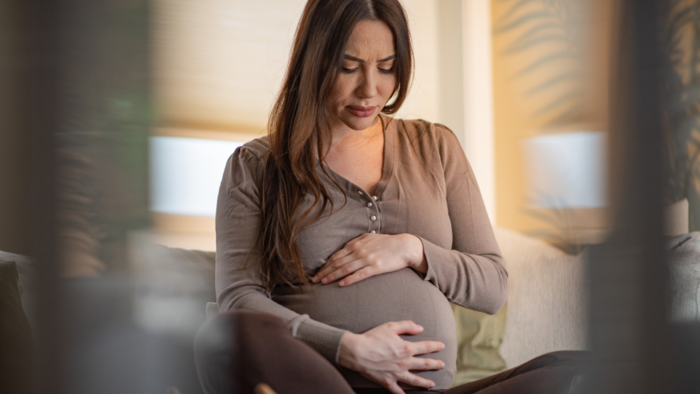
What Are The Symptoms of HELLP Syndrome?
The symptoms of HELLP syndrome seem similar to regular pregnancy symptoms, although some of them should be taken seriously and checked by a doctor.Some common symptoms are the following:
- Pain in the upper abdomen: It is pain or tenderness located primarily on the right side below the rib cage
- Headache: Severe or constant pain in the head that doesn't get better
- Nausea and vomiting: The feeling of nausea or the act of vomiting, especially during the late stages of pregnancy
- Extreme fatigue: A feeling of unusual weakness or feeling sick in general
- Vision changes: The appearance of blurry vision or oversensitivity to light
- Swelling: Sudden or unusual swelling of the face and hands
- High blood pressure: The occurrence of high blood pressure is not obligatory in all cases
Early recognition and timely treatment of HELLP syndrome can protect maternal health and improve outcomes for both mother and baby.
How is HELLP Syndrome Diagnosed?
To diagnose HELLP syndrome, doctors will review symptoms, check blood pressure, and do some additional blood tests. It is important to perform a complete blood count that allows determining low platelet levels as well as signs of red blood cell damage. Liver function tests can help identify increased liver enzymes, while some other tests may measure kidney function and blood clotting. Dr Chetna Jain recommends getting your baby’s heart rate, growth, and general condition checked.How is HELLP Syndrome Treated?
There are various methods of treatment which vary based on the severity of the condition, the stage of pregnancy, and how well the mother and baby cope.Some possible treatments include the following:
- Delivery of the baby: Delivery is often the definitive treatment. Doctors may recommend early delivery depending on the mother's condition
- Blood pressure management: Medicines may be prescribed to control high blood pressure and reduce the risks of serious complications
- Seizure prevention: Magnesium sulphate may be given to prevent seizures, particularly when pre-eclampsia is also present
- Corticosteroids: These may be given to help the baby's lungs mature if early delivery is expected. They may also be used for specific maternal indications
- Blood transfusion: Blood products may be needed if platelet levels are very low or severe bleeding occurs
- Close monitoring: Doctors regularly monitor blood pressure, blood tests, liver function, kidney function, and the baby's well-being
Whether you’re pregnant, a new mom, or navigating postpartum, you don’t have to do it alone. Join our support group to connect, share, and support one another.
FAQs on HELLP Syndrome in Pregnancy: Symptoms and Treatment
- Can HELLP syndrome lead to lasting liver damage?
Yes, HELLP syndrome can cause lasting liver damage in severe cases, including liver bleeding and rupture. However, most women recover with prompt treatment and careful monitoring. Early diagnosis helps reduce complications and supports liver recovery. - How long is the recovery from HELLP syndrome?
Recovery from HELLP syndrome usually takes a few days to several weeks after delivery. Severe cases may require longer hospitalisation and follow-up. Regular medical monitoring helps ensure blood counts and liver function return to normal. - Can a mother breastfeed following HELLP syndrome?
Yes, most mothers can breastfeed after HELLP syndrome once their condition stabilises. The healthcare team may advise on suitable medications, recovery, and feeding. If the baby needs intensive care, expressed breast milk may be an option.