
In this article:
What Are Foetal Movements and When Do They Start?
Foetal movements are the sensations you feel when your baby shifts, kicks, stretches, or even hiccups inside the uterus.
Take a look at the timeline of when you start feeling foetal movements:
- First trimester (up to 12 weeks): You do not feel any movement because the baby is very small and cushioned deep inside the uterus.
- Early second trimester (13 to 16 weeks): You may notice very faint sensations like light twitches, although many people do not feel anything yet.
- Mid second trimester (17 to 20 weeks): You may start feeling gentle flutters or soft movements that become easier to recognise.
- 20 to 24 weeks: Most women clearly feel foetal movements during this period. The movements become more regular and noticeable.
- After 24 weeks: Movements grow stronger and more frequent. You may feel kicks, rolls, stretches, and occasional hiccups.
- Third trimester: Movements feel powerful and well defined.
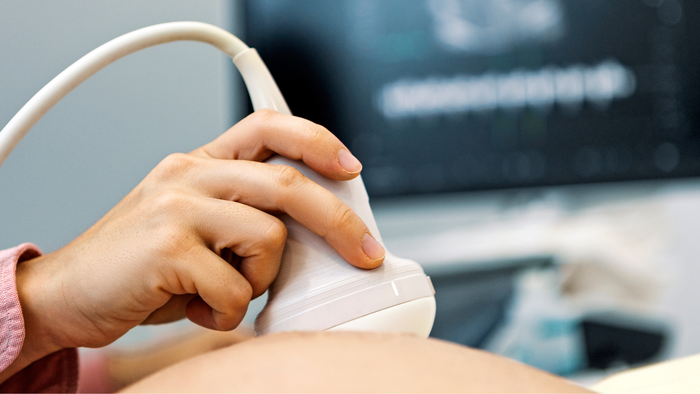
What are the Causes of Reduced Foetal Movements
Many times, a decrease in movements is not a reason to panic. Changes in how often or how strongly you feel your baby move can happen for several normal reasons.
Common reasons you may notice fewer movements include:
- Your activity: When you are busy, walking around, or doing physical tasks, the gentle motion can soothe your baby into sleeping. You may also be too distracted to notice lighter movements.
- Baby’s position in the womb: If your baby is facing your back or positioned behind the placenta, kicks and rolls may feel softer or more muted. This is especially common earlier in pregnancy and often changes as your baby moves and grows.
- Sleep and wake cycles: Just like newborns, they are more active at certain times of the day and quieter at others. You may notice more movement in the evening or at night when you are resting and fewer movements during the day.
- Baby settling lower near term: As you get closer to your due date, your baby may settle lower into your pelvis with the head engaged in preparation for birth. This can reduce the space available for big movements.
- Amniotic fluid levels: The amount of amniotic fluid can also influence what you feel. Lower fluid levels can limit how freely your baby moves, while higher levels can cushion movements and make them harder to notice.
When To Seek Medical Help for Reduced Foetal Movements?
Warning signs you should not ignore include:
- A sudden and noticeable reduction in your baby’s usual movement pattern
- Movements that do not return to normal after rest, eating, or changing position
- Long periods with little to no movement, especially after 28 weeks
- Movements becoming consistently weaker over time rather than just different in feeling
- A complete absence of movement for several hours during a time when your baby is usually active
- Changes in amniotic fluid levels are often manageable with closer monitoring and do not always harm the pregnancy.
However, a significant and ongoing drop in movement can sometimes signal foetal distress related to blood flow, placental function, or growth concerns.
You should always trust your instincts. If something feels off or your baby’s movements worry you, contact your healthcare professional right away. Seeking reassurance early is always better than waiting.
What to Do If You Notice Reduced Foetal Movements
Act straight away if you sense a clear decline in your baby’s usual activity. Contact your doctor without delay, no matter how far along you are.
- If you’re under 28 weeks, your doctor can listen for the foetal heartbeat with a sonic aid. If everything sounds good, you’ll get guidance on how to keep track at home.
- After 28 weeks, the doctor might use a cardiotocograph (CTG) machine to monitor the baby’s heart rate for about 20 minutes. A normal trace with no other concerns usually means you can head home. If the recording shows few movements or other risks, your doctor will discuss the next steps clearly.
Reduced foetal movements can be worrying, but understanding what is normal helps you act with confidence rather than fear. Remember, occasional variations in your baby’s activity are often normal, but paying attention to patterns is very important.
Whether you’re pregnant, a new mom, or navigating postpartum, you don’t have to do it alone. Join our support group to connect, share, and support one another.
FAQs on Everything You Need To Know About Reduced Foetal Movements
- Can sleep positions affect foetal movements?
Yes, lying on your side often helps you feel movements more clearly, while certain positions may make them feel less noticeable. - How can I track foetal movements safely at home?
Keeping a simple daily log of when and how often you feel kicks can help you notice patterns and quickly identify changes that may need medical attention.