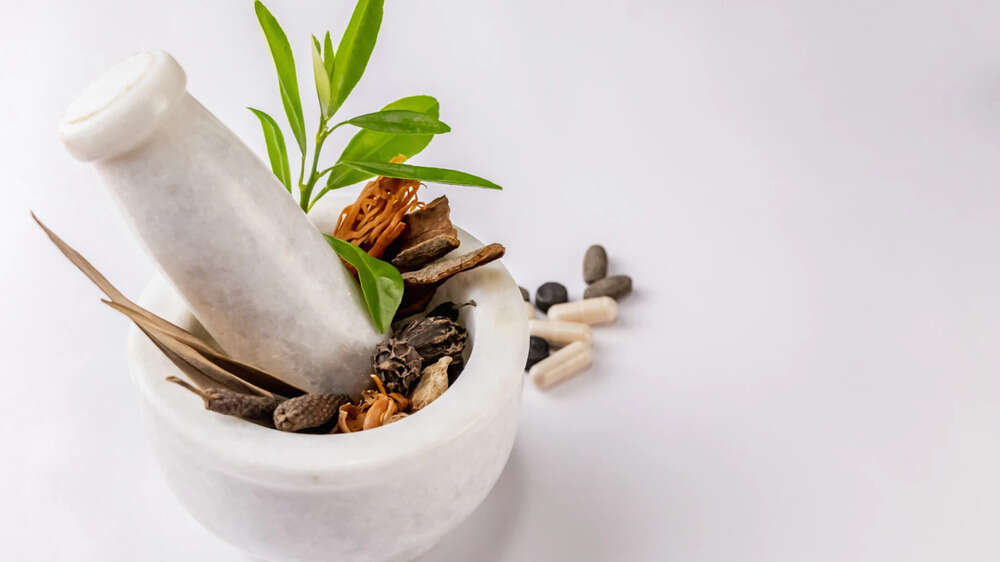
Because herbal products are not regulated as strictly as medicines, it is helpful to know which ones have reliable evidence supporting their safety before including them in your routine.
Why Caution Matters with Herbs in Pregnancy
The physiological changes you experience during pregnancy and lactation alter how your body processes plant compounds. Certain herbs cross the placental barrier or pass directly into breast milk, potentially stimulating uterine contractions, affecting hormone levels and even disrupting infant digestion.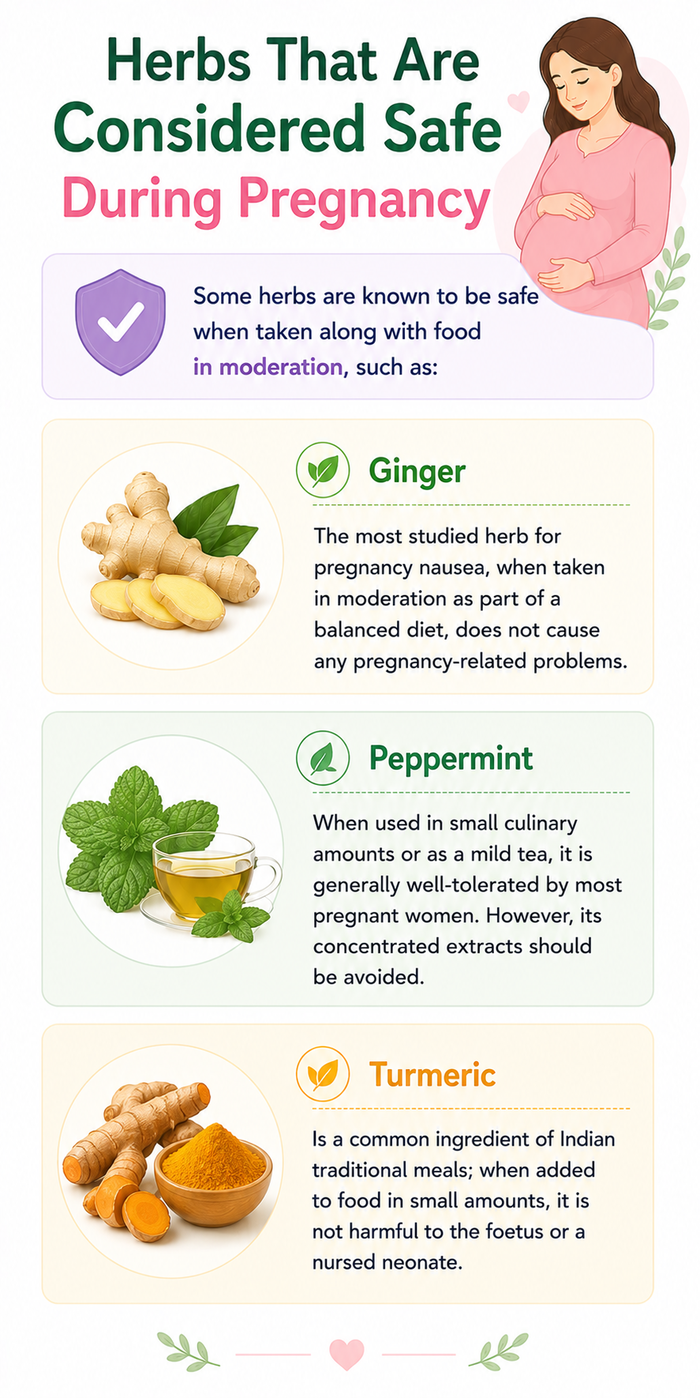
Herbs That Are Considered Safe
Some herbs are known to be safe when taken along with food in moderation, such as:- Ginger: The most studied herb for pregnancy nausea, when taken in moderation as part of a balanced diet, does not cause any pregnancy-related problems.
- Peppermint: When used in small culinary amounts or as a mild tea, it is generally well-tolerated by most pregnant women. However, its concentrated extracts should be avoided.
- Turmeric: Is a common ingredient of Indian traditional meals; when added to food in small amounts, it is not harmful to the foetus or a nursed neonate.
Herbs to Avoid or Use with Caution
Several herbs and supplements are best avoided during pregnancy, for instance:- Turmeric supplements: These may contain higher concentrations that are unsafe during pregnancy, as concentrated curcumin may affect hormone activity.
- Raspberry leaf: Such plant extracts can affect uterine contractions, so it should never be started without medical advice.
- St John's Wort: This herb is not safe during pregnancy or while breastfeeding, as it has been associated with foetal birth defects in animal studies.
- Fenugreek: It is often used to encourage milk supply, but has uncertain effectiveness. Little is known about whether higher amounts are safe while breastfeeding.
- Aloe vera: Despite its medicinal properties, when this plant is taken orally, it can cause digestive upset and uterine stimulation, and is best avoided.
How to Use Herbs Safely?
Any dietary or medicinal introduction during pregnancy or breastfeeding warrants your obstetrician’s approval.- Always speak with your doctor or gynaecologist before starting any herb, supplement or herbal tea.
- Stick to food-level amounts rather than concentrated capsules or extracts.
- Avoid combining multiple herbal products.
- Tell your doctor about every herb you use, especially if you are on medication, since herbs and medicines can interact in harmful ways.
- Choose products from trusted brands, as herbal supplements are not regulated as strictly as medicines.
When to Prioritise Clinical Advice?
Certain maternal patterns require immediate medical evaluation. Please stop all herbal intake and seek clinical advice if you experience:- Any unexpected vaginal spotting, cramping or sudden pelvic pain.
- Allergic reactions, skin rashes or persistent heart palpitations after consuming a new herb.
- Signs of severe dehydration or persistent vomiting that home remedies fail to ease.
- Your breastfed infant shows unusual fussiness, loose stools or skin rashes after you change your diet.
Whether you’re pregnant, a new mom, or navigating postpartum, you don’t have to do it alone. Join our support group to connect, share, and support one another.
FAQs on Which Herbs Are Safe During Pregnancy and Breastfeeding? 5 Safe Guidelines
- Is it safe to consume green tea while pregnant or breastfeeding?
Green tea contains caffeine and compounds that can hinder iron and folic acid absorption. Limit your intake to one small cup a day, and avoid drinking it alongside your prenatal vitamin supplements. - Can I use herbal essential oils on my skin during pregnancy?
No. Highly concentrated essential oils absorb quickly through the skin and can impact uterine stability. Stick to simple, unperfumed, food-grade oils like coconut or olive oil for moisturising.