In this article:
Is Swelling in the Feet and Legs Normal During Pregnancy?
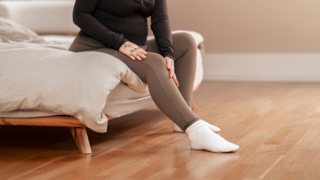
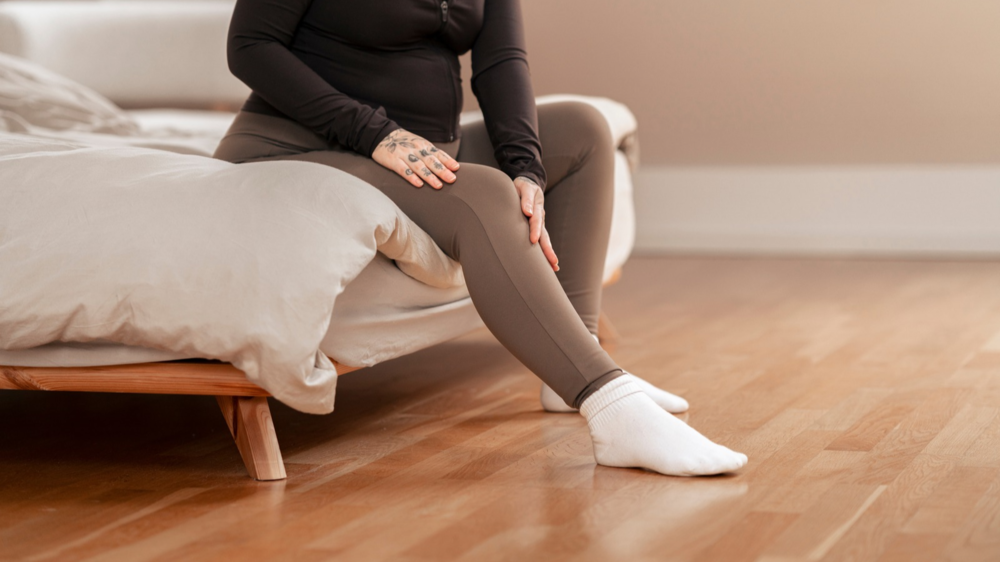
Yes. Swelling of the feet and legs is very common in pregnancy, especially at the end of the day, or when you have been on your feet or sat in the same position for a long period, says Dr Khetan.This type of mild swelling may not cause any big problems, but it can make walking and even resting a little uncomfortable, so many women search for ways to relieve it.
Do Compression Socks Help During Pregnancy?
These socks can benefit circulation and alleviate any pain associated with standing or swelling. Compression stockings are designed to put gentle pressure on the legs, in turn encouraging blood flow.A pair that is too tight or too loose or incorrectly matched may not provide any benefit at all. How effective a sock is on you depends on three factors: the level of compression, the fit, and the time of day you wear them.
Which Compression Socks Are Right For You?
Compression socks are often available at different levels, and it is common for the level to be printed on the packaging. Mild compression can be helpful for most women to help with common pregnancy symptoms such as swelling, according to Dr Khetan.More pressure is not always better. Talk to your doctor before going to a stronger level if you have any of the following:
- Varicose veins
- Circulation problems
How Should Compression Socks Fit?
The socks should be snug but not painful, uncomfortable, numb, tingly or cause deep marks on the skin, says Dr Khetan. A few signs tell you if the fit is wrong:- You notice deep marks or dents on your skin where the sock was
- Your toes or feet are numb or tingly
- The top band is cranked up or turns itself down
- You experience pain or constant pressure after a short period of time
How Do You Find the Right Size?
Don’t just buy your usual sock size; get the right measurements and buy a size accordingly. With compression socks, sizing differs from regular socks, and your legs may be changing as the pregnancy progresses.Most brands provide a size chart either on the package or online. Use it to measure around your ankle and calf, and compare your measurements to find out your size. If the measurements are between two sizes, check with your seller or doctor to see what one is best for you.
Which Material Is Most Comfortable?
Buy socks that are made of stretchy, breathable fabric. They keep your feet warm. Pregnancy tends to make you warm, so try using socks made of a fabric that keeps your skin airing out so the socks stay comfortable all day.Soft stretch also makes the socks easier to pull on over a growing belly and swollen legs. The smooth toe seam is important because a rough seam can rub and cause skin irritation.
When to Wear Compression Socks
Compression socks can be most beneficial when worn during the day. Even if you are just on your feet, sitting at your desk or travelling, this can be beneficial.They may be easier to put on if you put them on earlier in the day, before much swelling has occurred. It is more difficult and uncomfortable to pull a sock over a swollen leg. Many women find they are easiest to wear first thing in the morning, when the legs are at their slimmest.
The most effective compression sock is one that offers the correct support and snug fit, and is specific to your pregnancy needs.
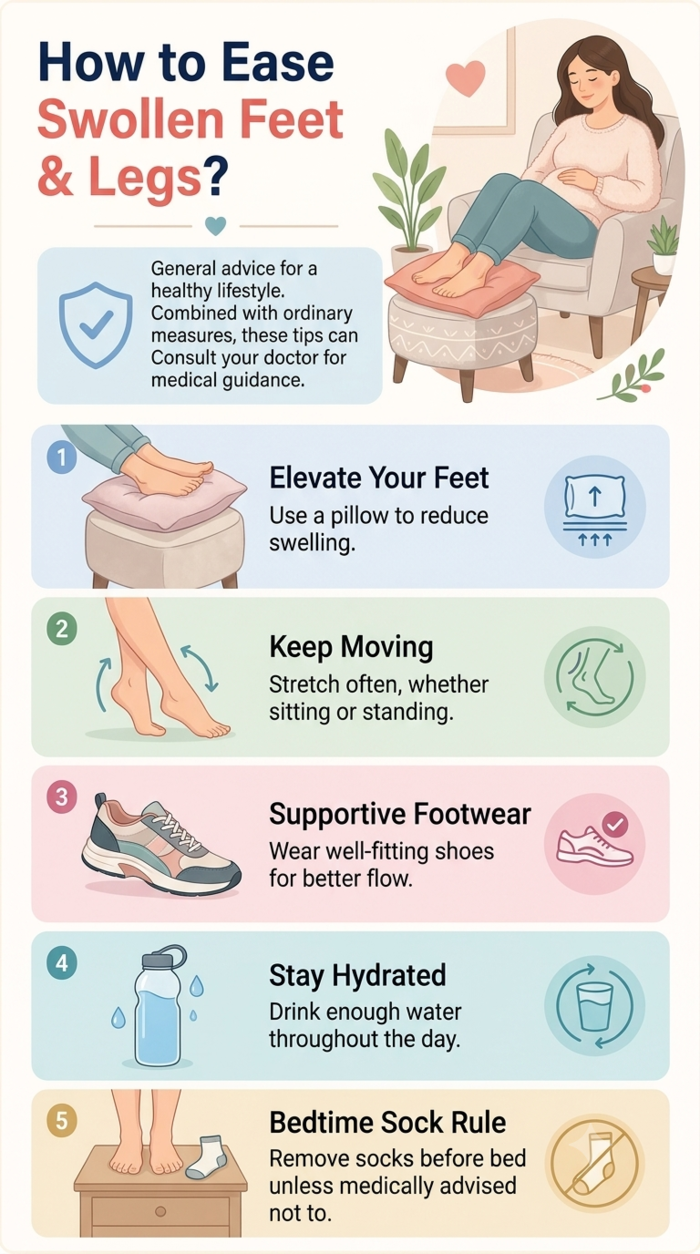
What Else Can Ease Swollen Feet and Legs?
This is most effective when combined with ordinary lifestyle measures. These are general recommendations, not a substitute for medical guidance from your doctor.- Rest your feet on a pillow or a low stool
- Stretch your legs if you are seated at a desk for long periods of time
- If you have to stay on your feet for extended periods of time, change your position regularly
- Wear comfortable, well-fitting footwear with good support
- Drink enough water throughout the day
- Remove the socks at bedtime unless your doctor has told you not to
When Should You See a Doctor?
Immediately get in touch with your doctor if you experience:- Sudden swelling of a part of your body, notably your face or hand
- Swelling accompanied by a severe headache
- Vision changes, with blurriness
- Severe swelling in one leg as opposed to the other, or the leg is painful, warm or red
- Pain, numbness or tingling after taking the sock off
- You are not able to step on your leg or walk
Compression socks can help you out in the later months if you wear them with the right amount of caution. For most women, a little pressure is acceptable. They can fit you well, yet they will not make you feel uncomfortable. Also, they give your skin room to breathe. It is best to wear them early and keep an eye on your legs.
Whether you’re pregnant, a new mom, or navigating postpartum, you don’t have to do it alone. Join our support group to connect, share, and support one another.
FAQs on Best Compression Socks for Pregnancy: What To Look For
- Is it okay to wear compression socks all day while pregnant?
A lot of women wear them during the day, especially if you have to be on your feet or sit for long periods of time. How long you wear them will depend on your comfort and pregnancy, so ask your doctor. - Does wearing compression socks only happen in the third trimester?
Swelling is more common during the later stages of pregnancy; however, some women experience pain in their legs at an earlier stage. The doctor will tell you when compression socks become necessary. - Can one wear tight regular socks instead of compression socks?
No. Tight-fitting regular socks don’t provide graded compression and may lead to bruising. Appropriate sizes of compression stockings are better.