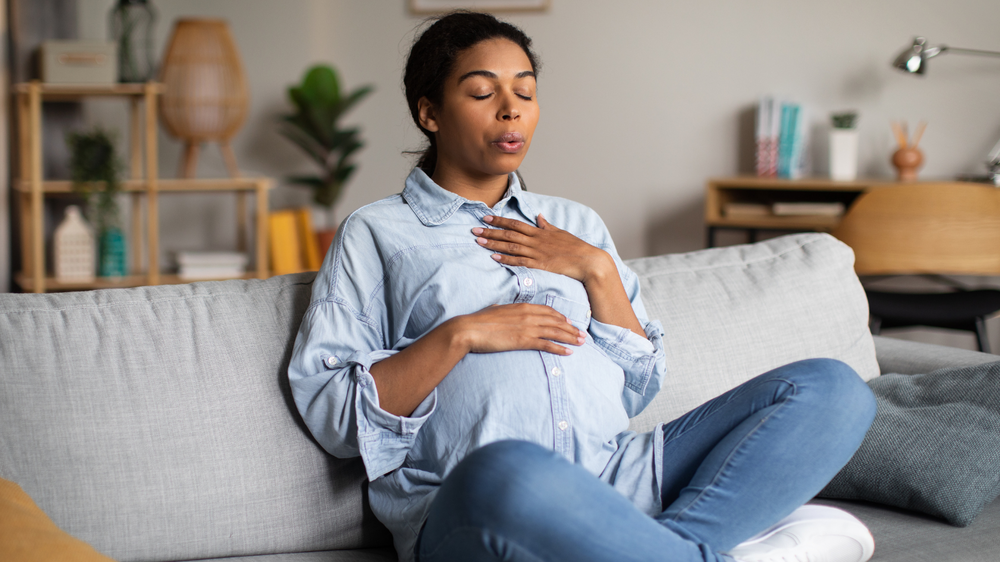
What Are Active Labour Positions?
Active labour positions can be any positions in which you remain upright or not lying on your back during labour. These can be standing, walking, squatting, sitting up, or making use of things such as birthing balls and chairs.The concept behind active labour positions is quite basic. Since you are upright in these positions, you allow gravity to help your baby move down in the birth canal. The movements associated with these positions make your contractions more effective.
What Are the Advantages of Labour Positions?
Active labour and staying upright have been associated with several advantages for both you and your baby, such as:- Effective contractions: An upright position facilitates the uterus to tilt forward during contractions, which results in effective contractions.
- Gravity: By standing, walking, or squatting, gravity is used to assist in bringing the baby down through the birth canal.
- Increased space in your pelvis: Some positions, such as squatting, increase the space available to the baby during its descent by widening the pelvis.
- Improved oxygenation: Being in an upright position, rather than lying flat on the back, may reduce pressure on blood vessels and improve blood flow and thus oxygenation of the baby.
- Sense of control: Moving around may give you a feeling of being in control of your labour process and not being concerned only with pain.
- Possibly reduced duration of labour: The active upright position of some women is associated with shorter labour.
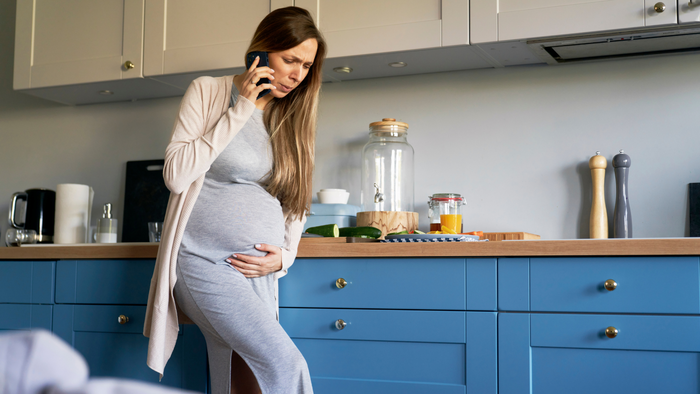
What Positions Can You Try During Labour?
No special equipment is required to try out some active labour positions; however, items such as a birthing ball and a good solid chair may prove to be helpful. There are some positions that you could try out, such as:- Walking: This is very simple and effective, and walking during early labour helps promote contractions and keeps one moving.
- Standing and leaning forward: This can reduce back pressure when standing up with support from a wall, bed or even your partner.
- Kneeling either on the bed or on the floor: It helps release back pressure from a kneeling position with support from pillows or a partner.
- Upright sitting position on a birthing ball: Rocking gently in a circular motion can be soothing and promote descent of the baby.
- Squatting with support: It opens up the pelvis, but it is recommended only when there is some support nearby.
- Backwards sitting on a chair: One faces the back of the chair and leans forward with a pillow in between.
- Side lying: It is better to lie on one’s side rather than on the back, especially if one needs to rest or has taken an epidural.
When Do You Need to Consult Your Doctor?
The majority of women can experiment with various active labour positions, but it is better to consult with your doctor if any of the following points are true in your case:- You have received an epidural or another form of pain management that makes you immobile
- You are having continuous monitoring of your baby's heart rate
- You have any medical problems that could make some positions risky for you
- You are not sure which positions are appropriate for your pregnancy
- You feel anything abnormal when trying a particular position, like pain, dizziness, or discomfort
Each labour is unique, and there is no one best way to go through labour. Exploring some active labour positions and being flexible in adjusting them can help you feel more comfortable in the process of bringing your baby into the world.
Whether you’re pregnant, a new mom, or navigating postpartum, you don’t have to do it alone. Join our support group to connect, share, and support one another.
FAQs on Active Labour Positions: Which Ones Help the Most?
- Can I use active labour positions if I have received an epidural?
While your movement will be restricted by the epidural, you could try positions such as side-lying with a pillow between your knees. Your doctor will assist you in choosing what works for you. - Will the use of active labour positions shorten labour?
There is some evidence which suggests that using these positions and remaining active and upright can help to reduce the duration of the first stage of labour for many women. - Are squats safe while labouring?
Squats are useful for many women during their labour, particularly when they get help from someone else, like a partner or nurse. Your doctor can tell you whether it would work for you.