In this article:
Birth Experience and Emotional Wellness
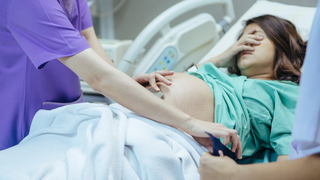
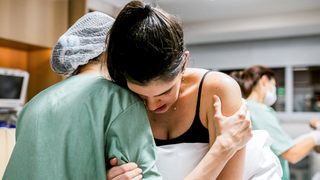
Every birthing experience is unique, and it can shape how a mother feels long after delivery. When a birth is intense or unexpected, emotions may differ. Some mothers may be overwhelmed, while others may need time to process and understand what happened. These responses are natural and deserve gentle understanding.Emotional wellness after birth is just as important as physical healing. Support from loved ones, open conversations, and professional guidance can help mothers regain balance. With time, care, and patience, many women begin to feel more confident, connected, and at peace in their new role.
Reasons for Traumatic Birth and Heavy Bleeding
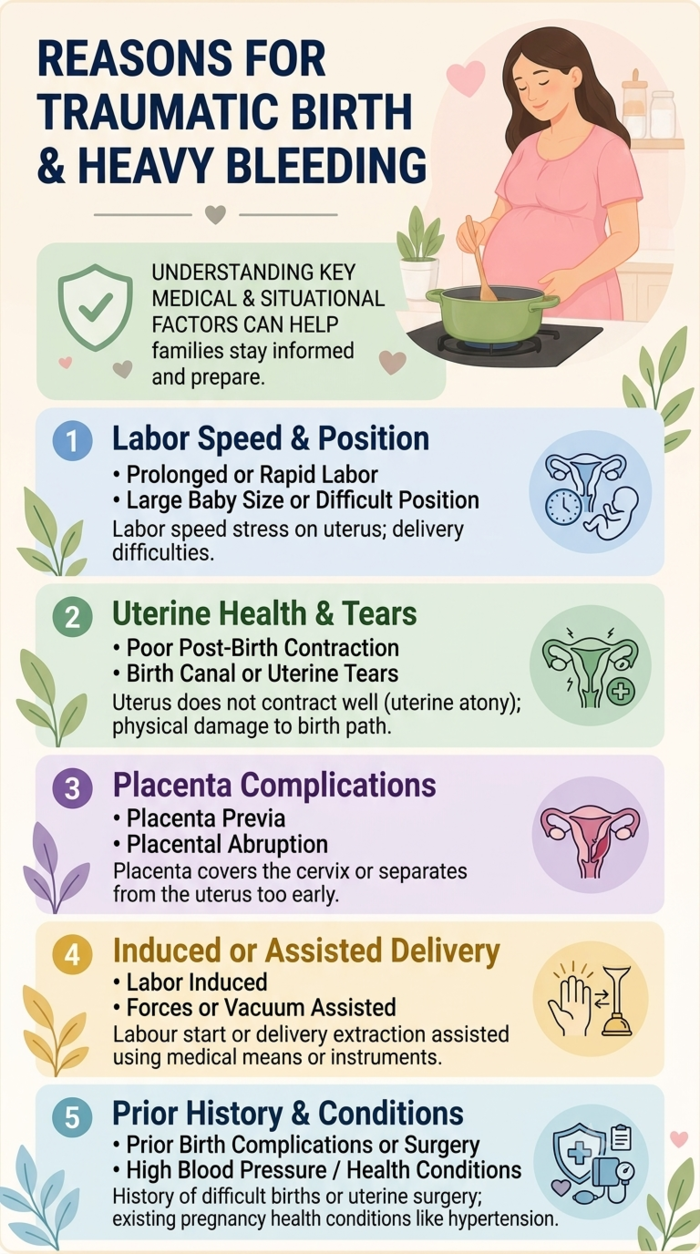
Difficult birth and heavy bleeding can happen due to several medical and situational factors. Understanding these can help parents stay informed and prepared.- Prolonged or very fast labour that puts stress on the uterus
- Placenta-related issues such as placenta previa or placental abruption
- Large baby size or difficult baby position during delivery
- Uterus not contracting well after birth
- Tears in the birth canal or uterus during delivery
- Induced or assisted delivery using instruments like forceps or vacuum
- Previous birth complications or uterine surgery history
- High blood pressure or other health conditions during pregnancy
Emotional Responses After Traumatic Birth
After a traumatic birth, mothers may experience a range of emotional responses that are natural and may include the following:- Feeling overwhelmed by the intensity of the birth experience
- Sudden mood changes during the early recovery period
- Tearfulness or emotional sensitivity without a clear reason
- Difficulty processing or recalling parts of the birth
- Feeling anxious about personal health or the baby’s well-being
- A strong need for reassurance and emotional support
- Trouble sleeping
- Feeling distant or needing time to connect with the baby
- Increased alertness or concern about future situations
Physical Healing and Its Connection to Emotions
Following heavy bleeding, the body will utilise energy to recover strength, which may affect one's feelings, patience, and general comfort. By helping the body, one lays a good foundation for emotional health.These tips are helpful:
- Taking food rich in iron, such as spinach, lentils, and nuts
- Staying hydrated
- Having enough rest and sleep, including naps
- Asking for assistance in doing routine activities
Value of a Nurturing Environment
An environment that is nurturing and understanding can play a major part in recovery. Family, friends, and partners can reduce the emotional burden on the parents by being supportive.Examples of supportive actions include the following:
- Having an open dialogue
- Joint responsibility in taking care of the newborn
- Being patient with the parents’ process of recovery
- Providing assurance
When to Consult a Doctor for Emotional Guidance
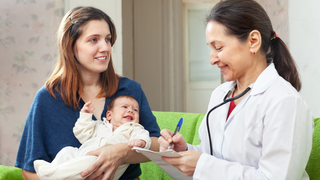
Consulting a doctor gives confidence and security during recovery. They will be able to help you recover smoothly through personalised care and guidance.Professional assistance can be needed in cases like the following:
- Regular checkups after childbirth
- Recommendations on nutrition for recovery
- Psychological support from counsellors
- Tracking general progress in your recovery
Useful Activities for Emotional Well-being
The healing process is made easier by taking baby steps. Parents can contribute to their emotional well-being through the following tips:- Maintaining a journal where they write down their thoughts and feelings
- Slow and deep breathing
- Spending quality time with the baby
- Engaging in a conversation with a person they trust
Rebuilding Confidence After a Traumatic Birth
Confidence can be rebuilt through the following:- Acquiring knowledge of postpartum recovery
- Associating with those who have had similar situations
- Making realistic goals
- Focusing on one’s own strengths
Role Played by Partners and Family Members
Partners and family members must be actively involved in the recovery and healing phase. This can help in ways such as:- Providing Encouragement and reassurance
- Managing household tasks
- Following up on medical advice
- Creating a comfortable environment
Whether you’re pregnant, a new mom, or navigating postpartum, you don’t have to do it alone. Join our support group to connect, share, and support one another.
FAQs on Traumatic Birth and Heavy Bleeding: Understanding the Emotional Impact
- Can future pregnancies feel stressful after a traumatic birth?
Yes, after a traumatic birth, future pregnancies can feel stressful and frightening. Some women may even experience anxiety or post-traumatic stress symptoms. But support and proper care help make the next pregnancy feel safer. - Can partners also be emotionally affected by a traumatic birth?
Yes, partners may feel worry, stress, or helplessness after witnessing a traumatic birth. Open conversations and shared support can help both partners heal together. - Can emotional effects appear weeks after birth?
Yes, some mothers may feel emotionally stable at first and notice changes later. Delayed reactions are common and can surface as the body and mind process the experience.