In this article:
Foods That Can Help Increase Haemoglobin in Pregnancy
A varied diet can help improve iron intake. The lists meat, beans, chickpeas, nuts, dried fruit and fortified cereals among sources of iron, while pregnancy-specific NHS guidance also includes leafy green vegetables and lentils.According to Dr Y Divisha Reddy, Consultant Gynaecologist & Obstetrician, Gleneagles Hospital, Fortis Network, Lakdikapool, “Include iron-rich foods — spinach, dates, jaggery, lentils, lean meat paired with vitamin C for better absorption. Most women also need iron and folic acid supplements, with dosage guided by blood tests.”
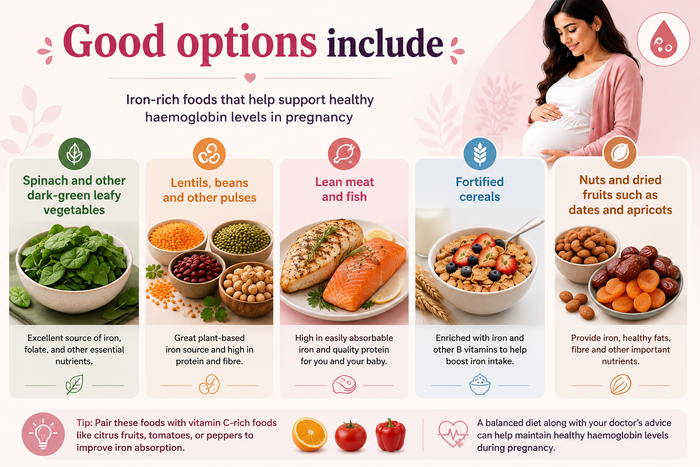
Good options include:
- Spinach and other dark-green leafy vegetables
- Lentils, beans and other pulses
- Lean meat and fish
- Fortified cereals
- Nuts and dried fruits such as dates and apricots
Do You Need Iron Supplements During Pregnancy?
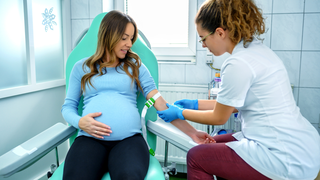
Food is important, but diet alone may not be sufficient when iron deficiency or anaemia has been diagnosed. The WHO recommends daily iron and folic acid supplementation during pregnancy to help prevent maternal anaemia, with the exact treatment approach determined according to individual circumstances.Dr Reddy stresses that supplementation should be guided by blood tests rather than taken indiscriminately. Your obstetrician or midwife can assess haemoglobin and, where appropriate, iron stores before recommending the suitable dose.
Increasing haemoglobin in pregnancy is not simply about adding one food to your diet. A balanced diet containing iron-rich foods, sensible combinations that support absorption and appropriately prescribed supplements can help maintain healthy iron levels. If your blood tests show anaemia, speak to your obstetrician rather than relying on dietary changes alone.
FAQs on Foods For Raising Haemoglobin During Pregnancy
- Which foods increase haemoglobin during pregnancy?
Iron-rich foods such as leafy greens, lentils, pulses, lean meat, fish, nuts and fortified cereals can support iron intake during pregnancy. - Can food alone correct low haemoglobin in pregnancy?
Not always. If blood tests confirm anaemia or iron deficiency, your obstetrician may recommend iron supplements alongside dietary changes.