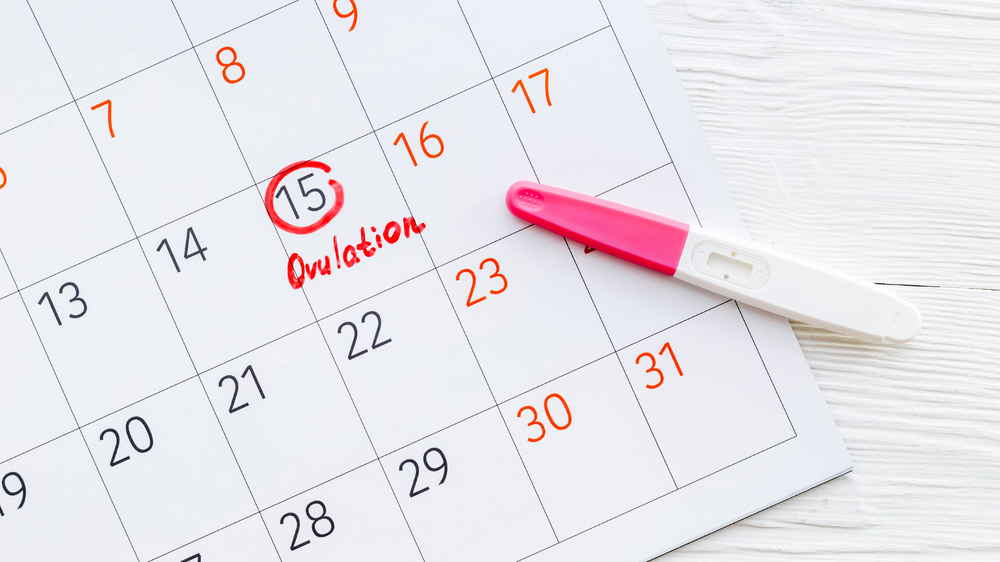
How Long Does an Egg Survive After Ovulation?
Once released from the ovary, the egg is viable for 12 to 24 hours. It moves into the fallopian tube, where fertilisation takes place if sperm is present. Past this window:- The egg degenerates
- It can no longer be fertilised
- The body naturally absorbs it if pregnancy does not occur
What Is the Fertile Window?
Although the egg survives for only one day, the fertile window is much longer because sperm live longer than the egg.The fertile window includes:
- Five days before ovulation
- The day of ovulation
- Up to 24 hours after ovulation
Does Egg Lifespan Change With Age or Health Conditions?
The 12 to 24-hour survival window itself does not change with age. However, egg quality declines with age, especially after 35 years and with conditions such as PMOS or thyroid disorders.Lower egg quality can:
- Reduce the chances of fertilisation
- Increase the risk of miscarriage
- Make conception take longer
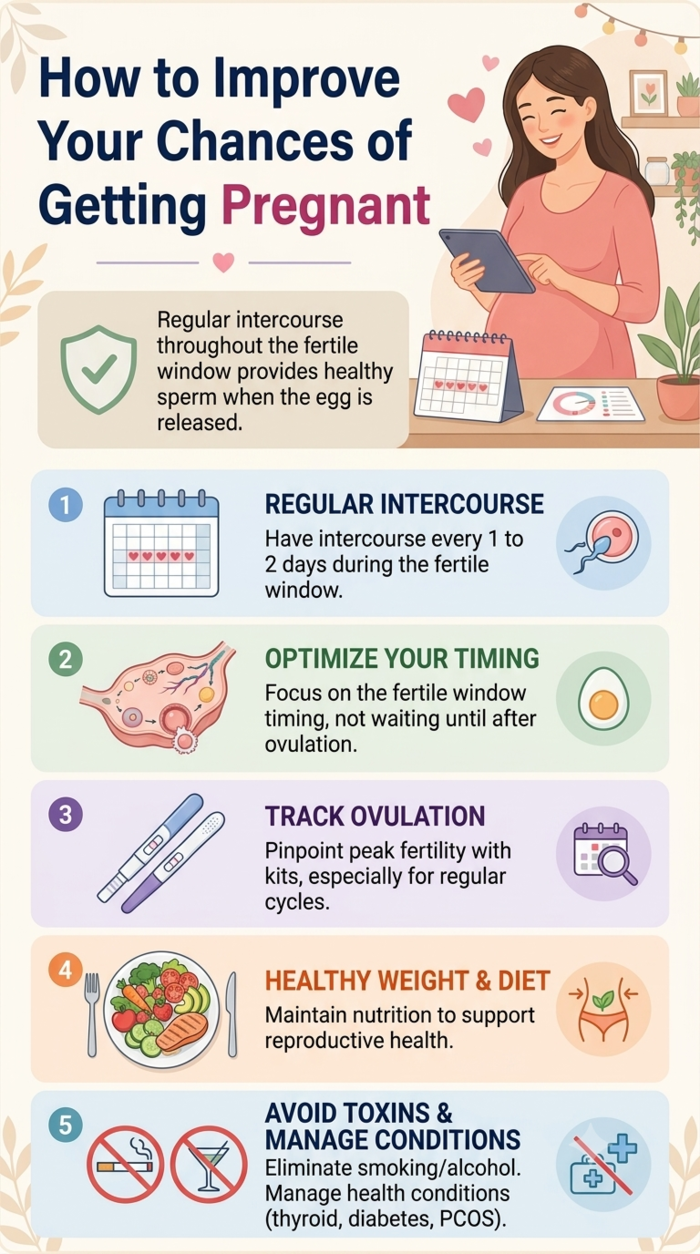
How to Improve Your Chances of Getting Pregnant
If you are trying to conceive, timing matters. Experts generally recommend:- Have intercourse every 1 to 2 days during the fertile window.
- Do not wait until after ovulation.
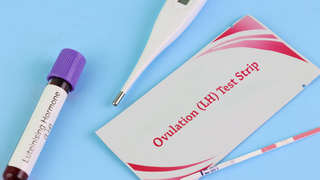
- Use ovulation predictor kits if your cycles are regular.
- Maintain a healthy weight and balanced diet.
- Avoid smoking and excessive alcohol.
- Manage medical conditions such as thyroid disorders, diabetes, or PMOS.
If you are under 35 years and have been trying to conceive for 12 months without success, or for 6 months if you are 35 years or older, it is advisable to seek fertility evaluation.
Understanding that the egg survives for only 12 to 24 hours after ovulation shows why timing intercourse before ovulation, rather than after, gives couples the best chance of conception.
You’re not alone in your journey when trying to conceive. Join our supportive community to connect with others, share experiences, and find encouragement every step of the way.
FAQs on How Long Does an Egg Live After Ovulation? What It Means for Pregnancy
- Is the day after ovulation still fertile?
It can be, but only if the egg is still alive. Fertility drops sharply after the first 24 hours. - Does PMOS affect how long the egg survives?
No. PMOS affects the regularity and timing of ovulation, not how long the egg survives after release. - What is the best day to conceive in a 28-day cycle?
For a typical 28-day cycle, ovulation occurs around day 14; intercourse between days 10 and 14 offers the highest chance of conception.