In this article:
The reassuring truth is that a breech position at 32 weeks is quite common, and in most cases, there is still time for the baby to turn naturally or with medical support. Let’s break it section by section and understand what breech position is, why it happens, how to turn a breech baby safely, and more.
What Does It Mean to Have a Breech Baby in 32 Weeks?
A baby is called breech when the head is not positioned downwards toward the birth canal. Instead, the baby’s bottom or feet are closer to the cervix.At 32 weeks of pregnancy, babies are still actively moving inside the uterus. There is usually enough space for them to change positions, which is why doctors do not label breech as a problem at this stage.
Types of breech positions
- Frank breech: Bottom down, legs up
- Complete breech: Sitting cross-legged
- Footling breech: One or both feet pointing down
Is a Breech Baby in 32 Weeks a Cause for Concern?
While most mothers worry about a breech baby at 32 weeks, it is usually not something to stress about. In many cases, babies are on their own between 32 and 36 weeks. Doctors in India usually start closer monitoring only after 36 weeks, when the chances of spontaneous turning reduce.Why Is My Baby Breech at 32 Weeks?
Often, there is no specific cause for a baby being in breech position at 32 weeks. The mother has not done anything wrong for the baby to be breech. But some common reasons behind a breech baby may include:- First pregnancy (tighter uterine muscles)
- Too much or too little amniotic fluid
- Placenta located low in the uterus
- Irregular shape of the uterus
- Multiple pregnancy (twins or more)
- Baby’s natural movement patterns
Can a Breech Baby Turn After 32 Weeks?
In most cases, babies often change positions between 32 and 35 weeks. As the baby grows, gravity and uterine shape often encourage the head to move downward naturally. So yes, if a baby is in breech at 32 weeks, the chances of it turning are high.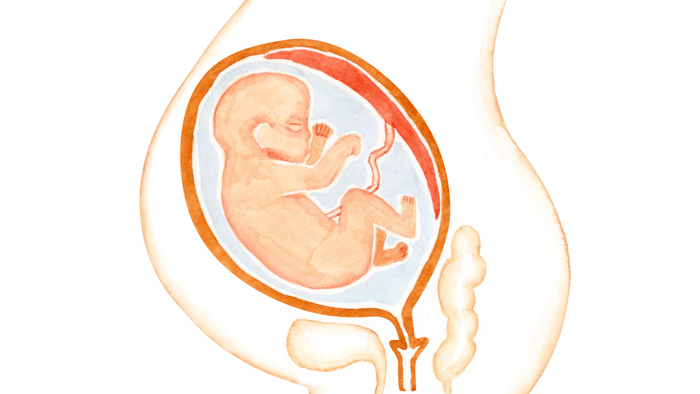
However, the chances of turning decrease after 36–37 weeks, which is why doctors monitor foetal position more closely during this time.
How to Turn a Breech Baby: Safe and Practical Options
If you are wondering how to turn a breech baby, it is important to focus on safe, medically guided methods. Some common methods to safely turn a baby in breech are given below.External Cephalic Version (ECV)
ECV is the most effective medical method used to turn a breech baby. It is a procedure where a trained obstetrician gently applies pressure on the mother’s abdomen to help turn the baby into a head-down position.Key points Indian moms should know about ECV are:
- It is usually done at 36–37 weeks
- It is performed in a hospital setting
- The baby’s heartbeat is monitored throughout
- Emergency facilities are available if needed
Exercises and Postural Techniques (With Medical Approval)
Some doctors may allow certain gentle positions or exercises to encourage turning. Commonly discussed exercises and techniques include:- Pelvic tilts
- Knee-to-chest position
- Specific prenatal positioning routines
What Happens If a Breech Baby Does Not Turn?
If a breech baby does not turn and remains in breech position closer to term, your doctor will discuss delivery options.Planned Caesarean Section
In most instances, a breech baby is delivered through a caesarean section. It may be planned in advance or done under emergency if vaginal delivery becomes impossible. In India, a planned C-section is commonly recommended for breech babies because it:- Reduces risks to the baby
- Allows controlled delivery conditions
- Is widely supported by hospital protocols
Vaginal Breech Delivery
A vaginal breech delivery is not possible in every case. Vaginal breech delivery may be considered only in selected cases where:- Pregnancy is low-risk
- Baby size and position are favourable
- The hospital has experienced staff
- The mother gives informed consent
How to cope as a mother carrying a breech baby?
Knowing your baby is in a breech position can create a lot of anxiety. Especially for mums who envision a certain mode of delivery. But, as a mother-to-be, it is important to remember:- Breech is a position, not a complication
- Modern obstetric care manages breech pregnancies very safely
- A healthy baby and mother matter more than the mode of delivery
When it comes to how to turn a breech baby, the safest path is always guided medical care combined with informed decision-making. With the right support, most breech pregnancies end with healthy outcomes. For Indian mums, it may be difficult to deal with the pressure of society to deliver normally. But remember, a breech baby is not a mother’s fault. And it does not matter what people think; all you need to think about is your health and delivering your baby safely.
Whether you’re pregnant, a new mom, or navigating postpartum, you don’t have to do it alone. Join our support group to connect, share, and support one another.
FAQs on Baby Still Breech After 32 Weeks? What Indian Moms Should Know
- Is a breech baby risky?
No, in most cases, a breech baby is not risky. The risk of a breech baby is generally low with today’s medical care, and most breech babies are born healthy. With timely monitoring and the right delivery plan, outcomes are usually very safe for both mother and baby. - What is the best sleeping position to turn my breech baby?
There is no guaranteed sleeping position to turn a breech baby, but posture can help. Sleeping on your side with a pillow between your knees and ankles keeps the pelvis open and creates more space for movement. Some experts also suggest resting with your belly gently facing the bed, supported by pillows, to help the baby turn naturally.