We reached out to Dr Ritambhara Bhalla, Associate Director – Department of Obstetrics and Gynecology at Cloudnine Group of Hospitals, Chandigarh, for a clinical perspective on this.
When Do Fingerprints Form in the Womb?
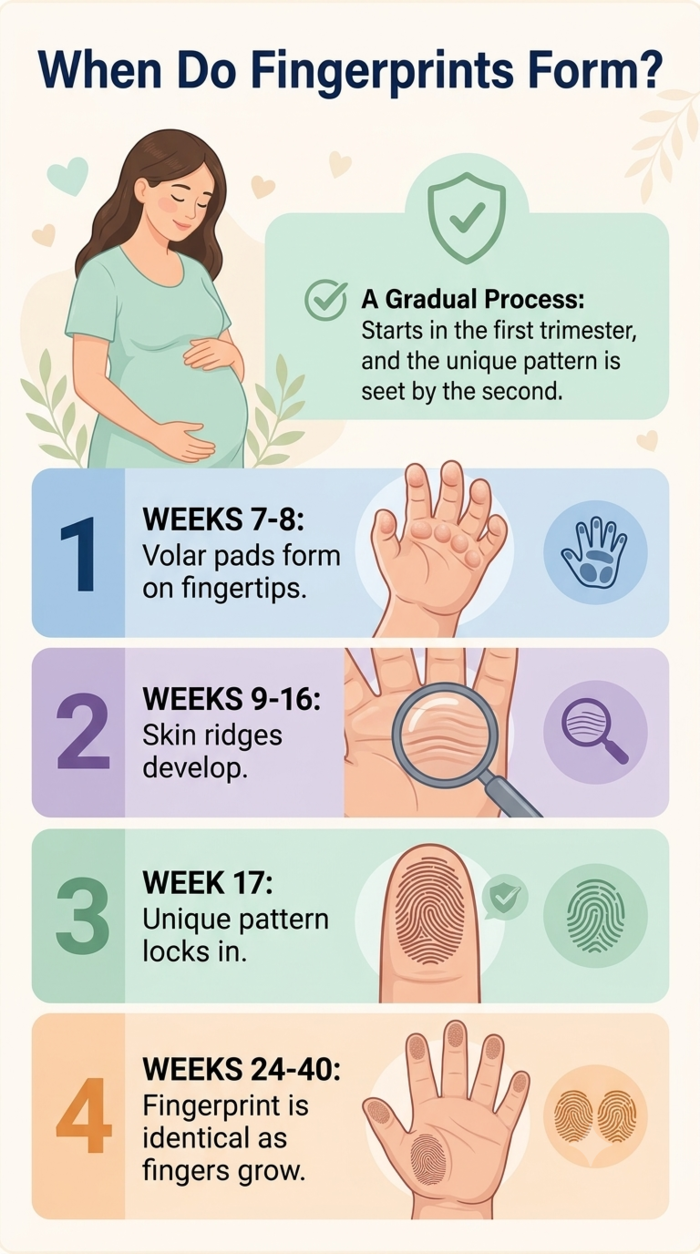
Fingerprint development happens gradually as the baby's hands and skin mature. The process begins during the first trimester and continues into the second trimester.- Weeks 7–8: Small raised cushions called volar pads begin to form on the fingertips.
- Weeks 9–16: The pads shrink and flatten while ridges develop on the skin.
- Around week 17: The print is fully set. Some sources place the final lock-in as late as week 24.
- Weeks 24–40: The ridges stay the same while the fingers grow. The basic fingerprint patterns are generally established.
How Are Fingerprints Formed in the Womb?
Fingerprints form through a combination of genetic influences and conditions during early development. The skin on a baby's fingertips develops raised ridges and the grooves between them. These ridges create the patterns visible on the fingertips.Volar pads are swellings of tissue under the skin of the fingertips. The shape of the pad when ridges first appear decides the main pattern:
- Arch (ridges form when the pad has almost disappeared): The ridges rise in the middle and slope down towards the sides, forming an arch-like shape.
- Loop (ridges form when the pad is moderately raised): The ridges curve around and flow back towards the side from which they began. Loops are a common fingerprint pattern.
- Whorl (ridges form when the pad is still high): The ridges form circular or spiral-like patterns around a central point.
Fingerprints are formed from the development of the deeper layers of skin and the interaction between genetic and environmental influences. The development of fingerprints is therefore another fascinating example of how much physical development occurs before birth.
Why Is Every Baby's Fingerprints Unique?
Genes influence the broad characteristics of fingerprints, but they do not determine every detail. As the foetus grows, factors such as finger shape, underlying tissue growth, and local physical conditions influence how the ridges form.This explains why even identical twins have different fingerprints. Identical twins develop from the same fertilised egg and share nearly all their genetic information, but their fingertips experience slightly different developmental conditions.
The differences are small, yet they create distinct ridge patterns. Fingerprints are therefore useful for distinguishing individuals, even when they share a close genetic relationship.
Do Fingerprints Change as the Baby Grows?
The basic fingerprint patterns form before birth and remain largely unchanged throughout life. However, fingerprints are not the same size forever. As a child grows, fingers enlarge, and the distance between ridges increases.Minor skin injuries can temporarily affect the visible surface of a fingerprint. A deep injury that damages the underlying skin may leave a scar and alter part of the pattern.
Fingerprint patterns also occur on the toes, palms, and soles of the feet. These ridges contribute to the skin's texture and grip.
Can an Ultrasound Show the Baby's Fingerprints?
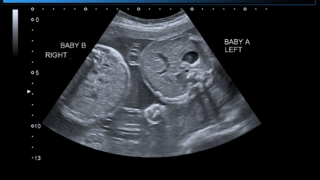
Routine pregnancy ultrasounds cannot reveal the detailed ridge patterns on a baby's fingertips. An ultrasound can show the developing hands and fingers, but fingerprint ridges are too small to be assessed during standard prenatal scans.Fingerprint development is a normal part of foetal growth and does not require a separate scan or medical test.
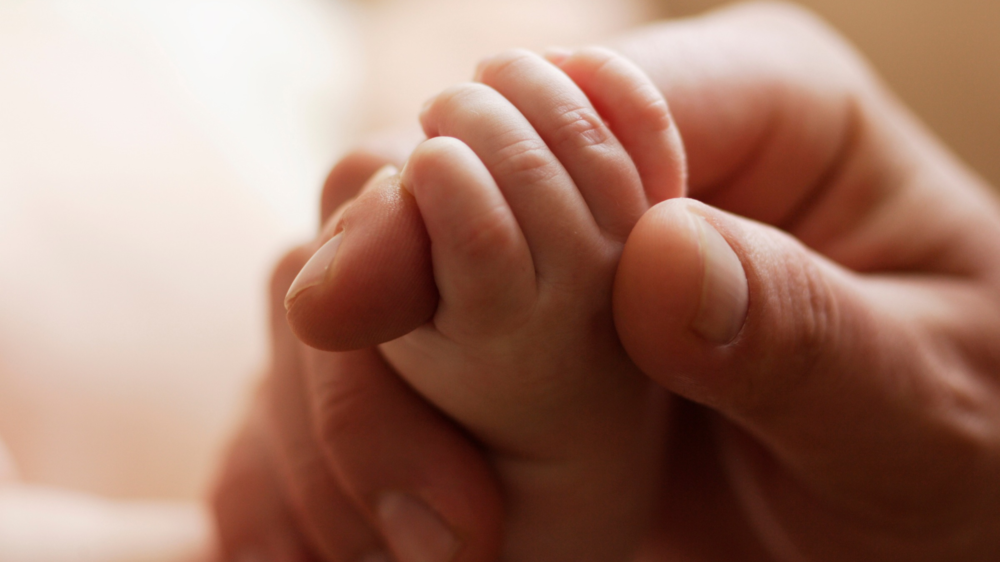
Fingerprints begin forming before birth, giving every baby a distinctive pattern long before their first breath, and these patterns remain a permanent identity marker for life.
Whether you’re pregnant, a new mom, or navigating postpartum, you don’t have to do it alone. Join our support group to connect, share, and support one another.
FAQs on Does the Baby Have Fingerprints Before Birth?
- At how many weeks do fingerprints form in a foetus?
Ridges begin forming at about 10 weeks. The pattern is largely complete by weeks 16 to 17. - Do a baby’s fingerprints change as the child grows?
The pattern does not change. The prints only become larger, and the ridges spread further apart. - Can a baby be born without fingerprints?
Rarely. A genetic condition called adermatoglyphia causes absent fingerprints. Some skin disorders can also affect ridges.