In this article:
What Nutrients Do Eggs Provide During Pregnancy?
One large egg (approximately 50 g) contains:
| Nutrient | Amount Per Egg | Why It Matters in Pregnancy |
| Protein | 6 g | Supports foetal tissue growth, including the brain |
| Choline | 147–150 mg | Brain and spinal cord development help prevent neural tube defects |
| Vitamin D | 41 IU | Supports foetal bone development; boosts maternal immunity |
| Vitamin B12 | 0.6 mcg | Red blood cell formation; nerve function |
| Iron | 0.9 mg | Prevents anaemia; supports increased blood volume |
| Folate | 22 mcg | Reduces the risk of neural tube defects |
| Selenium | 15 mcg | Antioxidant protection; thyroid function |
ACOG recommends 450 mg of choline per day during pregnancy. One egg provides roughly one-third of that amount, making it one of the richest dietary sources available. Because choline is absent from most prenatal vitamins, food sources are the primary way to meet daily requirements during pregnancy. Low choline intake has been linked to neural tube defects and poorer cognitive development in children.
How Many Eggs Can You Eat Per Day During Pregnancy?
For most healthy pregnant women with normal cholesterol levels, 1 to 2 eggs per day is safe. This quantity does not raise cholesterol concerns and contributes meaningfully to daily protein and micronutrient needs.
Eggs are low in carbohydrates; they generally fit into a gestational diabetes diet without raising blood glucose. If you have gestational diabetes, high cholesterol, or a heart condition, check with your doctor before eating eggs daily.
The egg yolk contains the majority of the nutrients, choline, fat-soluble vitamins, iron, and healthy fats. Eating only egg whites skips most of the nutritional value.
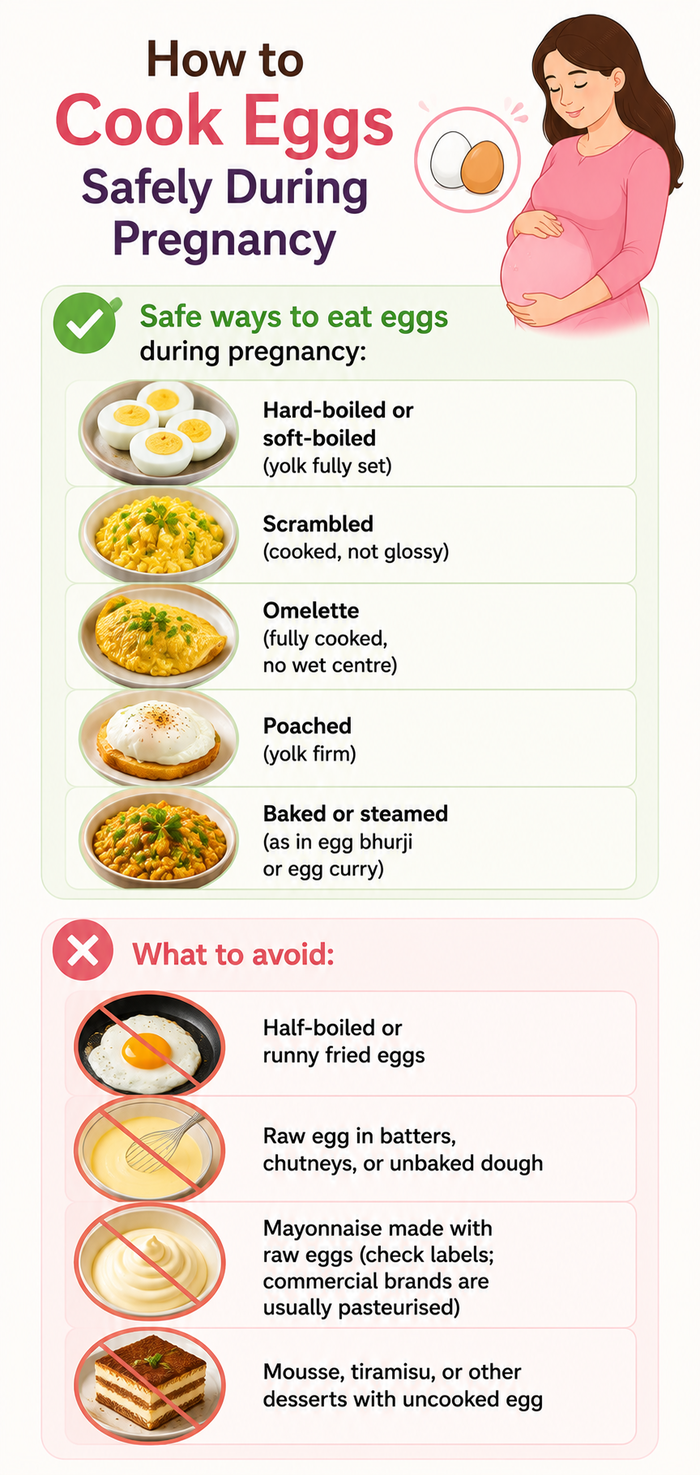
How to Cook Eggs Safely During Pregnancy
Safe ways to eat eggs during pregnancy:
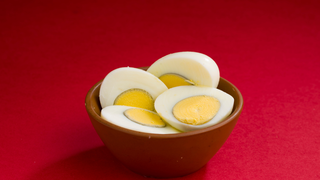
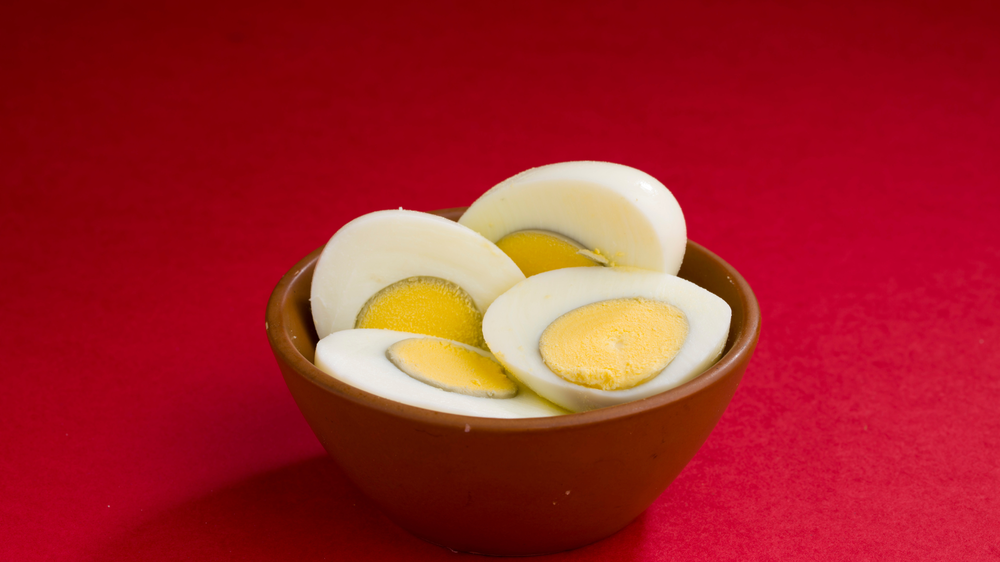
- Hard-boiled or soft-boiled (yolk fully set)
- Scrambled (cooked, not glossy)
- Omelette (fully cooked, no wet centre)
- Poached (yolk firm)
- Baked or steamed (as in egg bhurji or egg curry)
What to avoid:
- Half-boiled or runny fried eggs
- Raw egg in batters, chutneys, or unbaked dough
- Mayonnaise made with raw eggs (check labels; commercial brands are usually pasteurised)
- Mousse, tiramisu, or other desserts with uncooked egg
Ways to Include Eggs in Your Pregnancy Diet
Eggs fit naturally into Indian cooking and are widely available and affordable across the country. They work as a breakfast, lunch, or dinner ingredient and combine easily with vegetables and spices.
Practical ideas for everyday meals:
- Egg bhurji with onion, tomato, and ginger (quick, high-protein breakfast)
- Egg curry cooked in a light tomato-onion gravy (pairs with chapati or rice)
- Boiled egg salad with cucumber, lemon, and chaat masala (light evening snack)
- Egg paratha, scrambled egg inside whole wheat paratha with ajwain
- Steamed egg rice bowl
- Omelette with methi (adds iron and fibre)
Eggs are one of the few foods that deliver protein, choline, vitamin D, iron, and folate together in a single ingredient, making them a practical, evidence-backed choice at every stage of pregnancy.
Whether you’re pregnant, a new mom, or navigating postpartum, you don’t have to do it alone. Join our support group to connect, share, and support one another.
FAQs on Eggs During Pregnancy: Nutritional Benefits, Safe Intake, and Best Ways to Eat Them
- Can vegetarians who eat eggs rely on them for protein?
Yes. Eggs are a complete protein; they contain all nine essential amino acids and provide protein quality that lentils and dairy alone cannot fully replicate. Two eggs contribute 12 g of complete protein, roughly 17–20% of the increased daily protein requirement during the second and third trimesters. - Does eating eggs during pregnancy cause an allergy in the baby?
No. Eating eggs during pregnancy does not increase the risk of egg allergy in the baby. The AAP does not recommend avoiding allergenic foods during pregnancy to prevent childhood allergies. - Can eggs help with anaemia during pregnancy?
Eggs contain iron and vitamin B12, both of which support red blood cell production. While they are a useful dietary source, eggs alone are unlikely to correct iron-deficiency anaemia. They work best as part of a diet that also includes iron-rich foods such as lentils, leafy greens, and fortified cereals, alongside any iron supplement prescribed by your doctor.