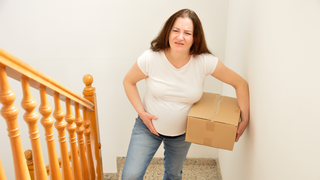
Dr Sadhna Singhal Vishnoi, Associate Director, Department of Gynaecology and Obstetrics at Cloudnine Group of Hospitals, Punjabi Bagh, explains that the effect of a fall depends on the stage of pregnancy, the force of the fall, and whether the baby was affected.
Why Are Falls Common During Pregnancy?
Pregnancy brings physical changes that can affect balance and movement. As the uterus grows, the body's centre of gravity shifts forward, changing posture and walking patterns. Hormonal changes may loosen the joints and ligaments, while tiredness, dizziness, low blood pressure, and swollen feet can make you feel unsteady. The growing abdomen may also limit your view of the ground, increasing the risk of falls, especially in later pregnancy.“After a fall, monitor your symptoms carefully and contact your doctor promptly if you notice anything unusual or concerning.”
- Dr Sadhna Singhal Vishnoi
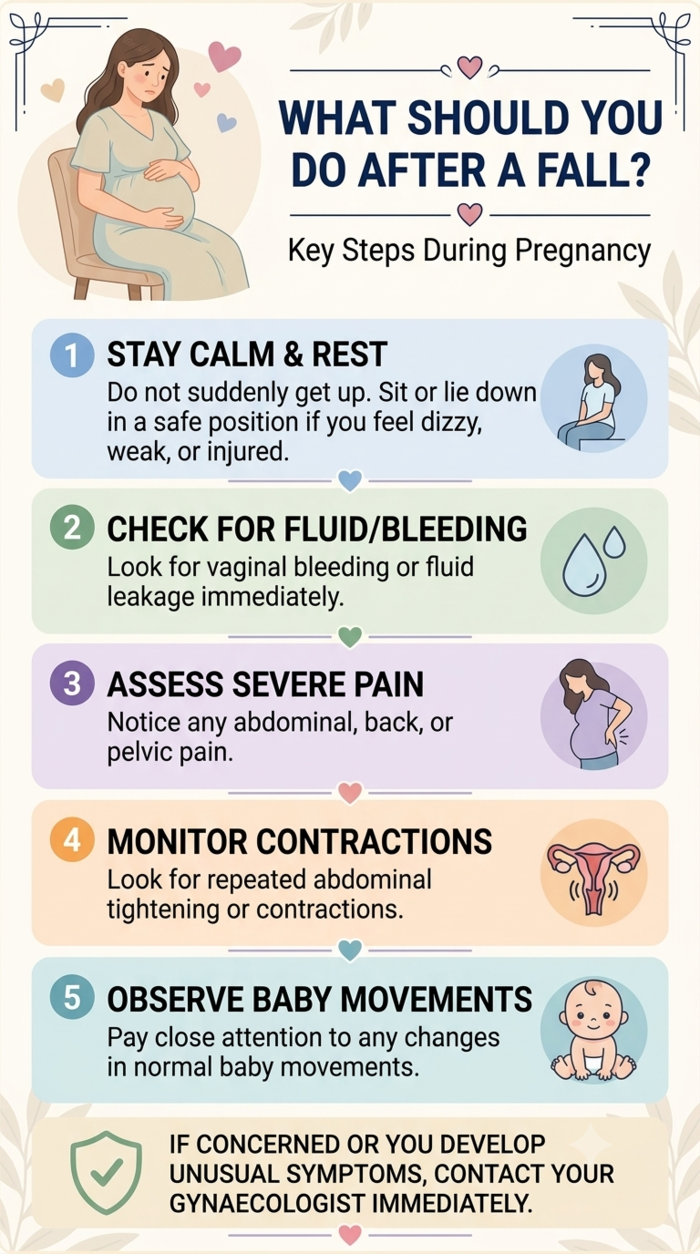
What Should You Do After a Fall?
If you fall while pregnant, try to remain calm. Do not suddenly get up if you feel dizzy, weak, or injured. After a fall:- Sit or lie down in a safe position if needed
- Check for vaginal bleeding or fluid leakage
- Notice any abdominal, back, or pelvic pain
- Look for repeated abdominal tightening or contractions
- If you normally feel your baby moving, pay attention to any changes in movements
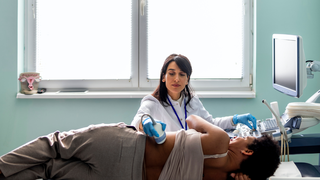
- Contact your gynaecologist if you are concerned about the fall or develop unusual symptoms
Warning Signs After a Fall During Pregnancy
Contact your gynaecologist or seek urgent medical care if you experience the following:- Vaginal bleeding or fluid leakage: Bleeding after a fall should not be ignored. Fluid leaking from the vagina may also require assessment, particularly during the later stages of pregnancy
- Abdominal pain or contractions: Persistent abdominal pain, repeated tightening of the abdomen, or contractions after a fall should be checked by a doctor
- Back or pelvic pain: A fall can cause injury to the back, pelvis, or other parts of the body. Significant or ongoing pain should be assessed rather than treated as a normal pregnancy symptom
- Reduced foetal movements: If you are at a stage of pregnancy when you regularly feel your baby's movements, notice any change in the usual pattern. Reduced or changed foetal movements should be reported promptly
- Dizziness, fainting, or difficulty walking: Severe dizziness, fainting, weakness, or difficulty walking after a fall requires medical attention. These symptoms may be related to an injury or another condition that needs evaluation
- A significant blow to the abdomen: A direct or strong impact to the abdomen may require medical assessment. This is important even if there is no bleeding or pain immediately after the fall
What If You Hit Your Head?
A fall can sometimes cause a head injury. Seek urgent medical care if you develop a severe or worsening headache, repeated vomiting, confusion, loss of consciousness, or difficulty walking after hitting your head. Do not assume that a head injury is minor simply because there is no visible wound. Some symptoms can appear later and may need medical evaluation.Can Falling Hurt the Baby?
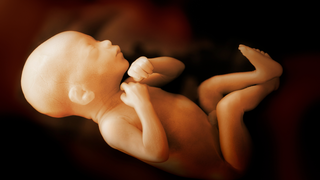
Not every fall during pregnancy harms the baby, as the uterus, amniotic fluid, and surrounding tissues provide protection. However, the impact depends on the severity of the fall, stage of pregnancy, and any direct abdominal trauma. A significant fall may require medical assessment, even without immediate symptoms. Dr Sadhna Singhal Vishnoi advises taking unusual symptoms seriously, as prompt evaluation can help identify complications that may not be immediately noticeable.How Can You Prevent Falls During Pregnancy?
Simple precautions can lower the risk of falling during pregnancy:- Wear comfortable footwear with a good grip
- Keep floors and walkways free from clutter
- Use handrails when using stairs
- Be careful on wet or uneven surfaces
- Get up slowly from a sitting or lying position
- Keep rooms and stairways well lit
- Avoid carrying heavy or bulky objects
- Take extra care when walking outdoors
- Tell your doctor if you frequently feel dizzy or unsteady
Whether you’re pregnant, a new mom, or navigating postpartum, you don’t have to do it alone. Join our support group to connect, share, and support one another.
FAQs on Falling While Pregnant: What to Do
- Should I go to the hospital after a minor fall during pregnancy?
A small fall without symptoms does not always have to result in a hospital trip. Just make sure to call your gynaecologist if you present with bleeding, leaking of fluid, pain in the abdomen, contractions, reduced movements of the baby, or some other odd signs. - Can a fall impact a baby even when there is no bleeding?
Yes, because bleeding is not the only warning sign after a fall. You may experience other signs like abdominal pain, contractions, or slow baby movements. - What should I do if the baby isn't moving properly after a fall?
If you feel your baby's movements have changed after a fall, call your doctor or clinic immediately. Do not postpone calling your doctor for help.