In this article:
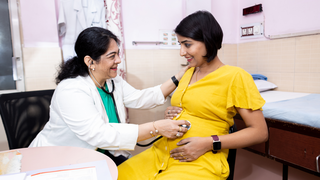
Regular medical check-ups are essential for the detection of any possible problems in pregnancy.
If you are aware of the different gestational factors that may potentially cause birth defects, you would know which situations may require close monitoring and understand the importance of regular antenatal visits during pregnancy.
Common Gestational Factors That May Increase The Risk of Birth Defects
The following are the factors that may increase the risk of developmental issues in the babies:| Gestational factor | How it may affect your baby |
| Uncontrolled diabetes | May increase the risk of heart, brain, and spine defects |
| Certain infections | May interfere with normal fetal development |
| Folate deficiency | Raises the risk of neural tube defects |
| Low iodine intake | May affect brain and nervous system development |
| High fever in early pregnancy | May affect organ formation in some cases |
| Harmful medicines or chemicals | Some exposures may interfere with fetal growth |
| Alcohol, smoking, or recreational drugs | May affect brain and physical development |
How Does Uncontrolled Diabetes During Pregnancy Affect Your Babys Development?
High blood glucose levels in early pregnancy can increase the chance of having birth defects such as heart defects, neural tube defects, brain abnormalities, and kidney abnormalities.If you are diabetic before pregnancy or develop diabetes during pregnancy, monitoring your blood glucose levels and following your doctor’s instructions can help prevent possible complications.
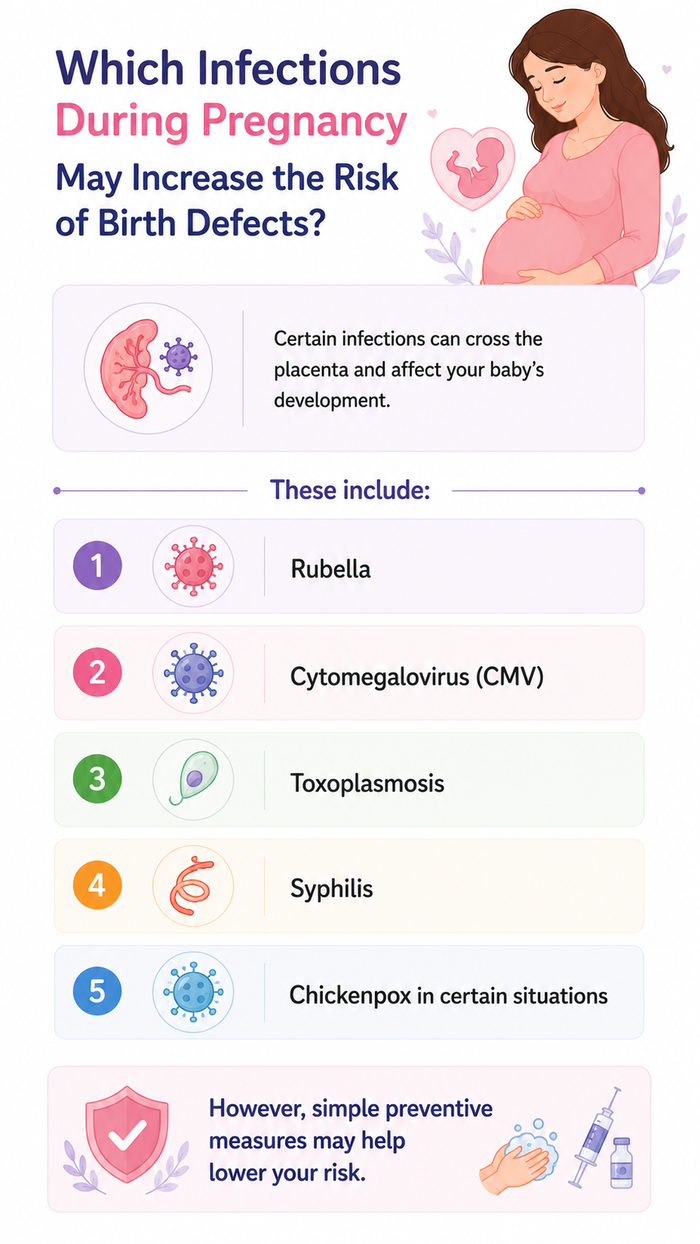
Which Infections During Pregnancy May Increase The Risk?
Certain infections can cross the placenta and affect your baby's development.These include:
- Rubella
- Cytomegalovirus (CMV)
- Toxoplasmosis
- Syphilis
- Chickenpox in certain situations
How Does Low Folate & Iodine Intake Increase The Risk of Birth Defects?
Folate
Folate plays an important role in the early development of your baby's brain and spinal cord.Low folate levels during early pregnancy may increase the risk of neural tube defects, such as spina bifida.
Good dietary sources include:
- Green leafy vegetables
- Lentils
- Beans
- Citrus fruits
- Fortified cereals
Iodine
If there is low iodine intake, especially during early pregnancy, the risk of impaired development of the baby's brain and nervous system increases.Therefore, it is recommended to take iodised salt and eat a balanced diet to meet your iodine needs. Your doctor advises supplements if needed.
Which Exposures May Affect Your Baby’s Development?
Certain medicines are considered safe during pregnancy, while others are not.Therefore, avoid starting, stopping, or changing any medicine without medical advice.
In addition, exposure to the following may increase the risk of birth defects:
- Alcohol
- Smoking
- Recreational drugs
- Certain industrial chemicals
- Excessive radiation exposure
Does High Fever During Early Pregnancy Matter?
Certain studies suggest a persistent high fever during the first trimester has been associated with a slightly higher risk of certain birth defects.If you develop a high fever during pregnancy:
- Drink adequate fluids
- Monitor your temperature
- Consult your doctor if the fever persists or if there is a rash
Precautions To Lower the Risk
Although not all birth defects can be prevented, healthy pregnancy habits may reduce certain risks.- Attend all antenatal appointments
- Eat a balanced diet rich in folate
- Take supplements only as advised
- Keep diabetes or other medical conditions well controlled
- Avoid alcohol, smoking, and recreational drugs
- Practise good hygiene to reduce the risk of infections
- Discuss every medicine with your healthcare provider before using it.
- Report fever, rashes, or unusual symptoms without delay
Whether you’re pregnant, a new mom, or navigating postpartum, you don’t have to do it alone. Join our support group to connect, share, and support one another.
FAQs on Gestational Factors That May Increase the Risk of Birth Defects
- Can stress during pregnancy cause birth defects?
Everyday stress has not been shown to cause birth defects directly. However, severe stress may affect your overall health. - Are all birth defects preventable?
No. Not all birth defects are preventable, especially if there are genetic or unknown causes. - Can birth defects be detected during pregnancy?
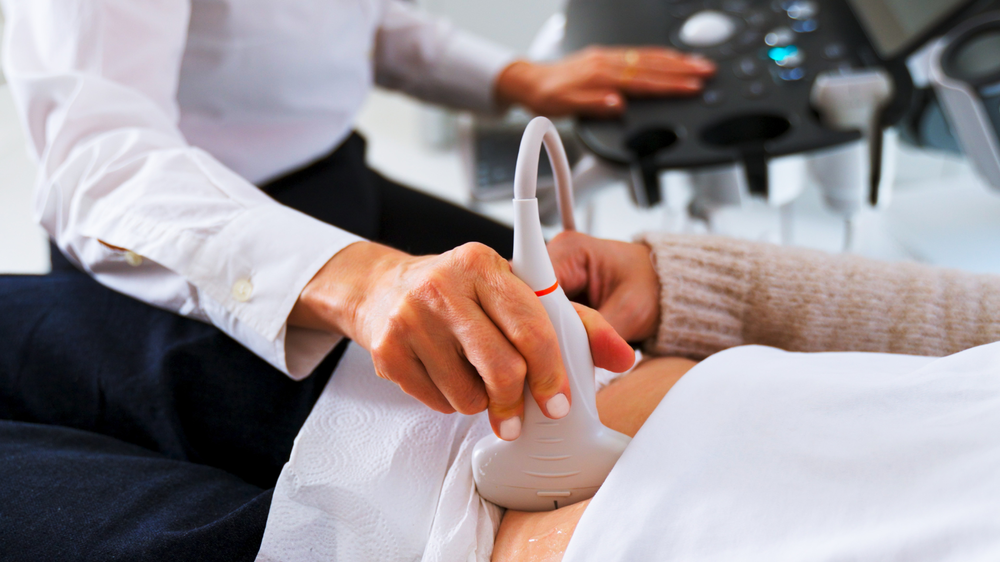
Many structural birth defects can be identified through routine antenatal ultrasound scans and other prenatal screening or diagnostic tests.