In this article:
She adds that a healthy microbiome supports many vital body functions, including digestion, immunity, and metabolism. It may also influence your baby's immune system and early gut colonisation.
However, she said that the microbiome is only one part of the picture in determining your baby's long-term health.
How Can Your Gut Microbiome Affect Your Baby?
Research suggests that the maternal gut microbiome may have a role in your baby's early immune development. However, scientists are still studying exactly how this happens.According to Dr Lipi Sharma, the maternal microbiome may influence:
- Your baby's developing immune system
- Early immune responses
- Early gut colonisation
How may a mother’s gut microbiome impact a developing baby’s health?
The microbiome of your gut produces certain substances that may influence your immune and metabolic functions.Research suggests that changes may influence the maternal environment during pregnancy.
However, it does not suggest that your gut microbiome may prevent or cause a specific health issue in your baby.
Your baby's health is also influenced by:
- Genetics
- Nutrition
- Pregnancy health
- Birth-related factors
- Environment
- Early feeding and lifestyle
Factors Affecting Your Gut Health During Pregnancy
Your gut microbiome can be influenced by many factors.Dr Lipi Sharma highlights maternal nutrition, antibiotic use, obesity, diabetes, and lifestyle as factors that can affect the microbiome.
| Responsible Factors | Consequences on Microbiome |
| Nutrition | Your food choices may affect your gut microorganisms, especially during pregnancy |
| Antibiotics | Antibiotics may alter the balance between good and bad bacteria in the gut |
| Obesity | Metabolic changes associated with obesity may alter microbial balance in your gut |
| Diabetes | Metabolic changes associated with insulin resistance may alter microbial balance in your gut |
| Lifestyle | A sedentary lifestyle and other habits may harm your gut health |
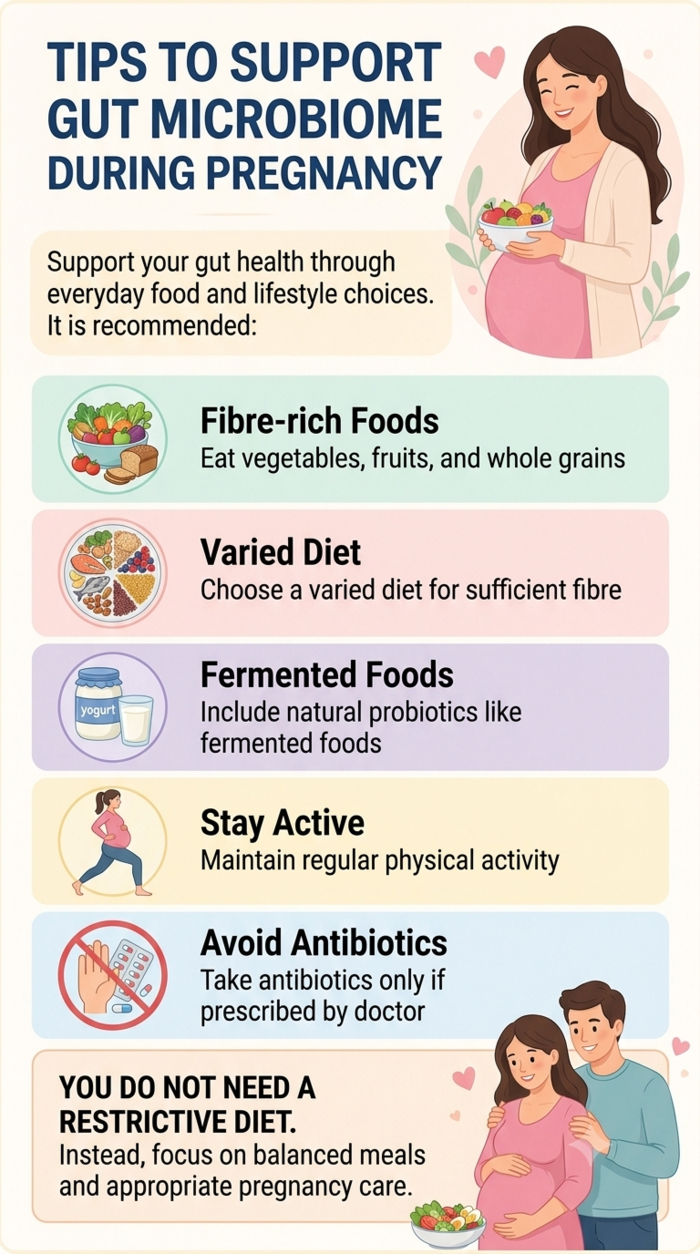
Tips To Support Gut Microbiome During Pregnancy
You can support your gut health through everyday food and lifestyle choices.Dr Lipi Sharma recommends:
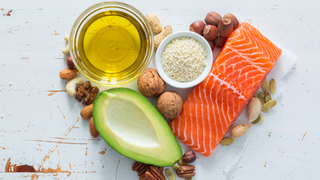
- Eat fibre-rich foods such as vegetables, fruits, and whole grains in your meals
- Choose a varied diet for sufficient dietary fibre
- Include suitable fermented foods as natural probiotics
- Stay physically active
- Avoid taking antibiotics unless prescribed by your doctor
Instead, focus on balanced meals and appropriate pregnancy care.
Are Probiotics Necessary During Pregnancy?
Dr Sharma specifically mentions that routine probiotic use is not recommended for every pregnancy.Research on probiotics during pregnancy is still underway.
Different probiotic strains may also have different effects. Therefore, you should not start a probiotic supplement simply because you are pregnant.
If you are considering probiotics, discuss them with your doctor first.
During pregnancy, a varied fibre-rich diet, sensible lifestyle choices, avoiding unnecessary antibiotics, and timely medical advice can help you support your gut health safely.
Whether you’re pregnant, a new mom, or navigating postpartum, you don’t have to do it alone. Join our support group to connect, share, and support one another.
FAQs on Gut Microbiome During Pregnancy: Does It Affect Your Baby?
- Can my gut microbiome affect my baby's immune system?
It may have an influence. Research suggests that maternal microbial and immune factors may contribute to early immune development. However, your baby's immune health depends on several factors, not your gut microbiome alone. - How can I support my gut microbiome during pregnancy?
Include fibre-rich foods, fruits, vegetables, and whole grains in your diet. You can also include suitable fermented foods. Stay active as advised by your doctor and avoid unnecessary antibiotic use. - Should you take probiotics during pregnancy?
Not routinely. Dr Lipi Sharma says routine probiotic use is not recommended for every pregnancy. If you are considering a probiotic supplement, speak to your doctor first.