We asked Dr Sunita Lamba, Director, Department of Obstetrics and Gynaecology, Cloudnine Group of Hospitals, Vikaspuri, New Delhi, for more details and accurate information.
Who Has a High Risk of Exposure to CMV?
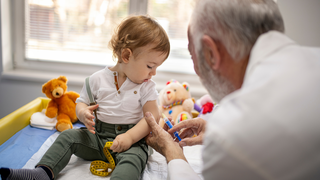
According to Dr Lamba, CMV infections occur due to transmission through body fluids like saliva and urine of young children. This is the reason why pregnant women living with toddlers or working with young children have a higher risk of exposure compared to other people.Young children, especially toddlers, who attend daycares or pre-schools, can be infected with CMV but are not sick. Normal and routine contact, such as changing their nappy, drinking from the same cup, a toddler's kiss, and the list goes on, without knowing about the CMV infection. It is only because of this that exposure risk varies according to how frequently young children are encountered.
If you have an older child attending daycare or school, and a baby on the way, it is worth knowing about because young children happen to be one of the most common ways for exposing pregnant women to CMV.
Hygiene Practices that Can Help
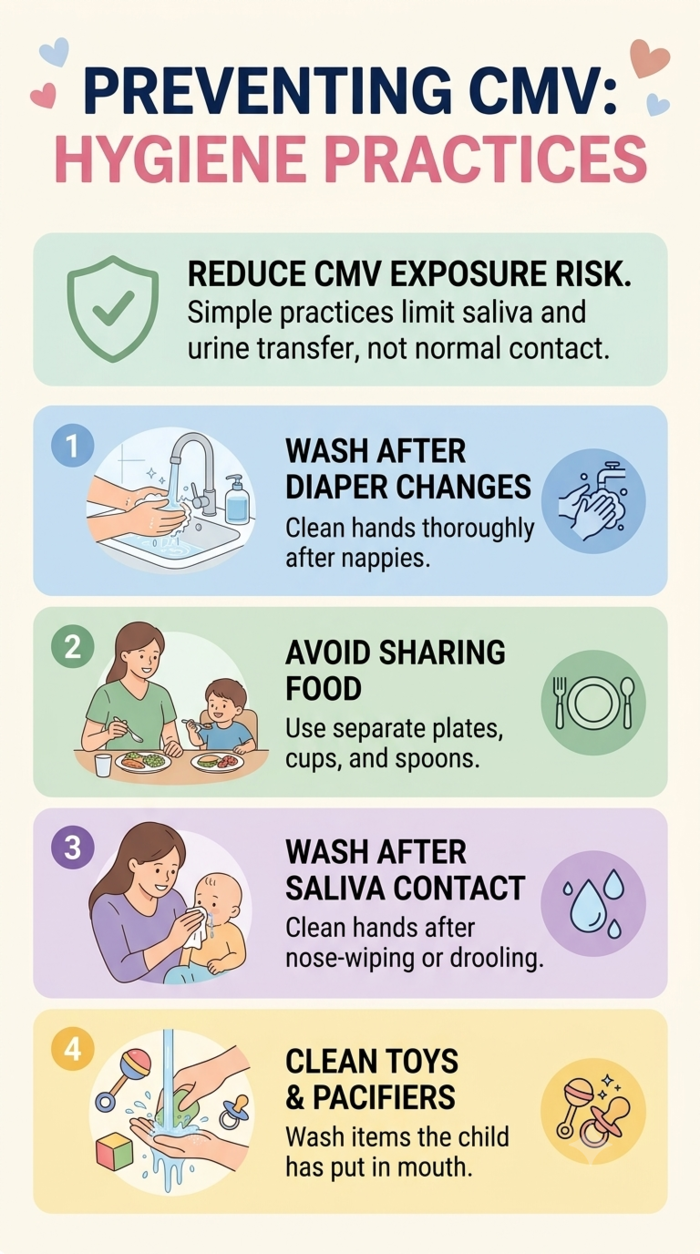
According to Dr Lamba, it is possible to lower the chances of being exposed to the virus with certain simple precautions. These are some practices that one can adopt:- Washing hands after cleaning the baby's nappies or assisting them to use the restroom
- Not sharing food, drinks, utensils and toothbrushes with the children
- Washing hands after touching the baby's saliva through nose wiping or drooling
- Cleaning items that the child had placed in his or her mouth, such as toys and pacifiers, before handling them
What to Do If Exposure Is Suspected
An obstetrician should always be notified if there is even a chance of infection. If there has been considerable exposure to the bodily fluids of a small child, and it is accompanied by the signs of a viral infection, then it would be wise to bring it up with the doctor.When Should You Visit a Doctor?
The situations where you should visit your doctor include the following:- Signs of a viral infection arise during pregnancy, for example, fever, weakness, or swollen lymph nodes
- There has been significant exposure to the saliva or urine of a young child
- Your job is related to being close to young children, and there are doubts regarding necessary precautions
- You need advice on how to strike a balance between being in touch with kids and the necessity of these precautions
The decrease in exposure to CMV in pregnant women is mostly associated with some simple activities that become a habit, such as hand washing and not sharing the same dishes with young children.
Whether you’re pregnant, a new mom, or navigating postpartum, you don’t have to do it alone. Join our support group to connect, share, and support one another.
FAQS on How to Lower Your Risk of CMV in Pregnancy
- Is physical contact such as hugging or cuddling a problem during pregnancy?
Not really, as hugging in and of itself is not an issue. It is mostly precautions regarding bodily fluid contact via things such as sharing utensils or changing nappies that need to be avoided. - Does a career in childcare or teaching mean ceasing work during pregnancy due to CMV?
No, many women remain at their posts even during pregnancy and follow hygiene precautions. The specifics of your situation should be discussed with your doctor. - Can hand sanitiser be used instead of washing with soap and water?
Hand sanitiser does offer good results in preventing transmission, but washing with soap and water is thought to be more effective when dealing with the removal of bodily fluids.