In this article:
What is Arthritis?
Arthritis is a group of conditions that affect the joints. It can cause joint pain, stiffness, swelling, and changes in movement. There are many types of arthritis, including rheumatoid arthritis, osteoarthritis, and psoriatic arthritis.The causes vary depending on the type. Arthritis may develop due to immune system activity, changes in the joints with age, previous joint injury, genetic factors, or other health conditions. Inflammatory arthritis occurs when the immune system affects healthy tissues around the joints.
How Can Arthritis Affect Pregnancy?
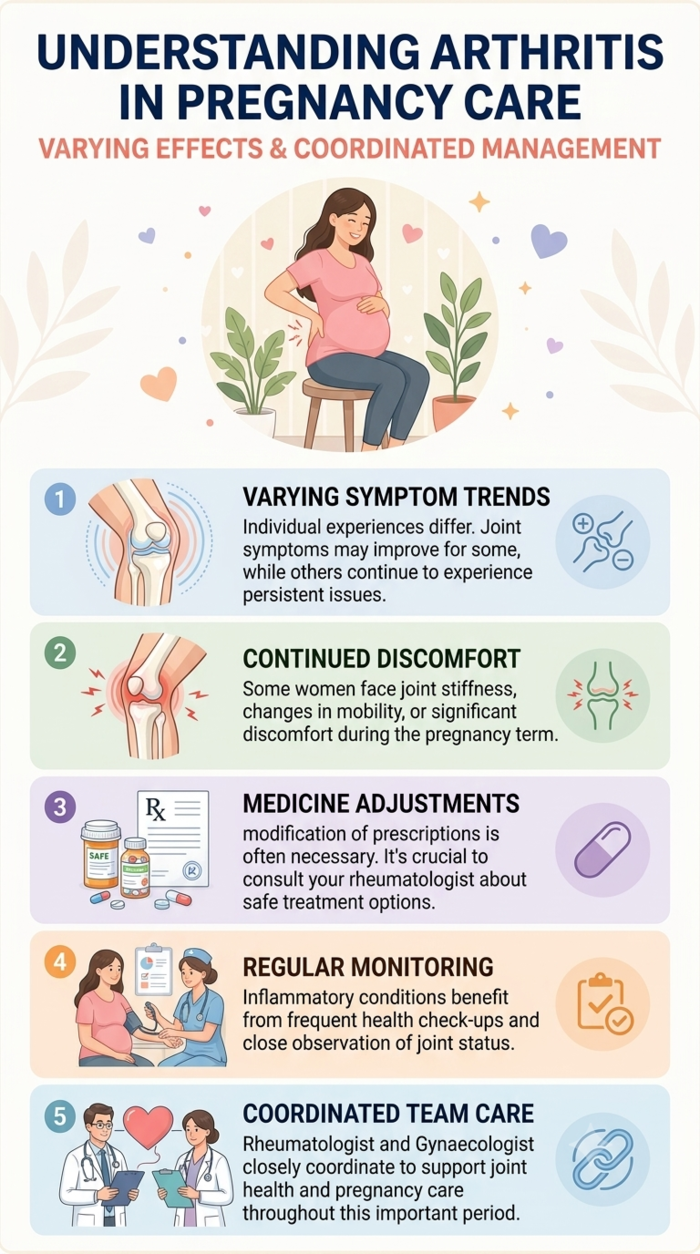
The effect of arthritis during pregnancy can vary based on the type of arthritis and individual health. Some women may notice improved symptoms, while others may continue to experience joint discomfort, stiffness, or changes in mobility during pregnancy.Pregnancy may also require adjustments to arthritis medicines. Women with inflammatory arthritis may benefit from regular monitoring. Close coordination between the rheumatologist and gynaecologist helps support joint health and pregnancy care throughout this important period.
With timely planning, suitable treatment and regular follow-up, women with arthritis can maintain joint health and support their wellbeing throughout pregnancy and the postpartum period.
Ways to Manage Pre-Existing Arthritis During Pregnancy
According to Dr Chetna Jain, you can manage arthritis during pregnancy in the following ways:1. Plan Your Pregnancy in Advance
If possible, discuss your pregnancy plans with your rheumatologist and gynaecologist before conception. This allows your doctors to review arthritis, current medicines, physical health, and pregnancy plans.
Some medicines may not be suitable during pregnancy, while others can be continued under medical supervision. Your healthcare team can make appropriate changes and select treatment options that support your health and pregnancy. Avoid starting, stopping, or changing arthritis medicines on your own.
2. Take Medicines as Advised
Medication management is an important part of arthritis care during pregnancy. The medicines you need may depend on the type of arthritis, disease activity, and stage of pregnancy. Dr Chetna Jain advises women to discuss every prescribed medicine, over-the-counter medicine, and supplement with their healthcare team.
3. Stay Gently Active
Regular, pregnancy-appropriate movement can help maintain flexibility, muscle strength and joint function. Depending on your health and pregnancy, your doctor may recommend activities such as:
- Walking
- Swimming
- Gentle stretching
- Prenatal exercises
- Light strengthening exercises
- Range-of-motion exercises
Pregnancy naturally changes energy levels, so adequate rest is important. Women with arthritis may benefit from balancing physical activity with regular relaxation. Avoid remaining in the same position for long periods. Gentle movement throughout the day can help maintain flexibility. Comfortable footwear, supportive seating, and good posture may also make everyday activities easier. Physiotherapy or occupational therapy can provide joint protection, help with posture, and offer ways to adapt household and work activities.
5. Maintain a Balanced Diet
Good nutrition supports the mother's health and the baby's growth. Include vegetables, fruits, whole grains, pulses, dairy or suitable alternatives, nuts, seeds, and protein-rich foods. Your gynaecologist can recommend supplements such as folic acid, iron, calcium, and vitamin D. Maintaining a healthy pregnancy weight gain also supports well-being and depends on the pre-pregnancy weight and individual health needs.
6. Attend Regular Prenatal Appointments
Regular antenatal visits help monitor pregnancy and arthritis. Women with inflammatory arthritis may need closer follow-up based on their condition and treatment. Inform your doctors about changes in joint movement, pain, stiffness, swelling, energy levels, or daily activities so your care plan can be adjusted appropriately.
Dr Chetna Jain highlights the importance of coordinated care between the gynaecologist and rheumatologist. Working together allows both pregnancy and arthritis care to be planned around the woman's individual needs.
7. Prepare for the Postpartum Period
Arthritis care should continue after delivery. Looking after a newborn involves feeding, lifting, carrying and frequent movement, which can place additional demands on the joints. Discuss your postpartum treatment plan with your doctors before delivery. Ask about your medicines, breastfeeding, physical activity, and practical ways to care for your baby comfortably. Arranging support from family members can also give you time to rest and recover after childbirth.
Managing pre-existing arthritis during pregnancy requires careful planning and regular care. Discuss medicines with your healthcare team, stay active, eat well, and rest adequately. Keep your doctors informed about joint changes. With personalised care and coordinated support, you can maintain your well-being throughout pregnancy and prepare for motherhood.
Whether you’re pregnant, a new mom, or navigating postpartum, you don’t have to do it alone. Join our support group to connect, share, and support one another.
FAQs on Managing Pre-existing Arthritis During Pregnancy
- Can arthritis run in families?
Some types of arthritis have a genetic component, which means certain people may have a higher likelihood of developing them. However, genetics is only one part of the overall picture, and many other factors can contribute. - Can arthritis affect sleep during pregnancy?
Yes, joint discomfort and normal pregnancy changes can influence sleep quality. A comfortable sleeping position, supportive pillows, and a relaxing bedtime routine may help. Speak with your doctor if sleep continues to be affected. - Is heat or cold therapy useful for arthritis during pregnancy?
Warm or cool packs may provide comfort for some women. However, the method, temperature, and duration should be discussed with your doctor or physiotherapist, especially during pregnancy.