We had a chat with Dr Swetha S Reddy, Consultant, Obstetrics and Gynaecology, SPARSH Hospital, Bengaluru, to get some useful insights.
What Makes It Difficult to Share a Bed During Pregnancy?
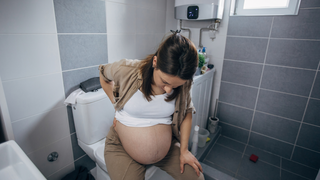
According to Dr Reddy, pregnancy consists of many movements, getting up at night, and sleepless nights. When your partner is a light sleeper, their sensitivity to every shift or sound can make it harder for you to settle back into sleep, adding a layer of stress.It is quite a frequent issue, although not always mentioned by expecting parents. Your body needs to do it due to the natural process that happens, and a partner who wakes easily can unintentionally make that harder for you.

Ways That Can Help
1. Minimise Movement DisturbancesAccording to Dr Reddy, one can use pregnancy pillows in order to decrease tossing and turning during sleep in the left-side sleeping position.
A few more tips that can help you move and rest more freely, without your partner's light sleep working against you:
- Use separate blankets so you can shift position without pulling your partner's covers or waking them up
- Suggest earplugs for your partner, so smaller sounds don't wake them and lead to more disturbance for you
- Stick to a consistent side of the bed and sleeping position, so you are not adjusting around your partner every night
2. Develop a Joint Night Routine
According to Dr Reddy, it is also recommended that a joint night routine should be set up. This will allow you to get ready for sleep together. The process of following a joint night routine will ensure that both of you fall asleep with the same rhythm.
In case of bathroom visits at night, it is advised not to use any bright lights; rather, it is recommended to use dim lights or bedside lamps. Dim lights or a bedside lamp are less likely to wake your partner than the light itself would, which means less chance of them reacting and disturbing you further once you're back in bed.
3. Think About Separate Sleeping Arrangements
Sometimes, there will be a need for the couple to decide that one sleeps alone during certain periods of pregnancy to ensure that both people get enough sleep. This is not an emotional issue but a practical solution that will be beneficial to both.
This is not a strange situation and should not be a reason to worry for the expectant couple. Sometimes, the couple may realise that sleeping apart in the guest bedroom, on the couch or even on separate beds during that period of pregnancy will allow them to have a full night’s sleep.
4. Maintain Open Lines of Communication
Communication becomes very important in this process. When you talk openly with your partner and discuss what works and what does not, without either of you blaming the other for the need to move around or being a light sleeper, it will be much easier for you to come up with solutions that really work for you.
When Do Sleep Disturbances Need Medical Attention?
"If you suffer from severe snoring or have episodes where you stop breathing during sleep during your pregnancy, talk about it to your doctor because sleep disorders during pregnancy can have implications for both mother and baby."Dr Swetha S Reddy, Consultant Obstetrics & Gynaecology, SPARSH Hospital, Bengaluru
If your partner has reported any cases of snoring or even stopping breathing while you are asleep, it would be worth discussing with your doctor.
When Should You Consult Your Doctor?
Discussing your sleep issues with your doctor is a good idea in case of:- Loud snoring and breathing pauses observed by your partner.
- Trouble sleeping despite efforts to make things better practically.
- Extreme daytime fatigue.
- Constant conflicts with your partner about your sleep that you cannot resolve on your own.
- Any other issue that makes you think your sleep may affect your general well-being.
Sharing a bed during pregnancy does not mean losing your own sleep. With a few adjustments and open communication, you can protect your rest through these final months.
Whether you’re pregnant, a new mom, or navigating postpartum, you don’t have to do it alone. Join our support group to connect, share, and support one another.
FAQs on Sharing a Bed with a Light Sleeper: How to Protect Your Pregnancy Sleep
- Would sleeping apart during my pregnancy affect us in the future?
In most cases, it won't. Couples who opt for sleeping apart tend to realise that this is just a temporary arrangement needed for a certain period, and they tend to return to their regular sleeping pattern without affecting the relationship. - Is it usual for my partner to have light sleep after I get pregnant?
It is common for partners to be more sensitive to noise at night during pregnancy due to increased awareness and care, even without altering their previous sleep quality. - What kind of pregnancy pillow will prevent me from tossing and turning at night?
Pregnancy pillows come in different designs; however, full-size and C-shaped pillows are known to provide maximum comfort for the back, hips, and belly, thus preventing you from tossing and turning.