In this article:
Why Is Constipation Common During Pregnancy?
Constipation affects a large proportion of pregnant women, particularly in the second and third trimesters. Progesterone relaxes the smooth muscles of the intestines, which slows the movement of stool through the digestive tract.As the uterus expands, it presses against the intestines and reduces the space available for stool to move through.
Iron and calcium in prenatal supplements, common in Indian antenatal care, add to the problem. Other factors that can make constipation worse include:
- Not drinking enough fluids
- Eating too little fibre
- Reduced physical activity
- Ignoring the urge to pass stool
- Some medicines and supplements
- Changes in eating habits during pregnancy
Does Straining While Pooping Affect the Baby?
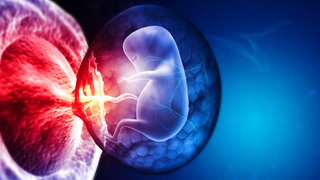
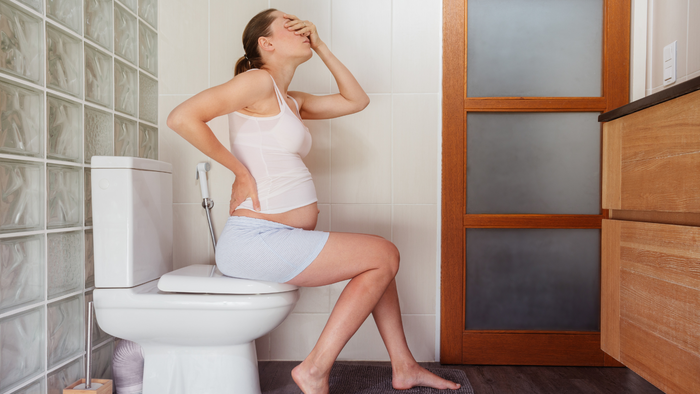
Occasional straining is unlikely to harm your pregnancy. The baby sits inside the amniotic sac, protected by fluid and the muscular wall of the uterus. This barrier absorbs the pressure created during straining. Straining does not reach the baby directly and does not affect foetal growth or development.Repeated forceful pushing can affect the mother's rectal and pelvic area, swollen veins, small tears in the anal lining, and temporary lightheadedness from holding the breath while pushing.
Occasional straining during a bowel movement is unlikely to directly harm the baby, as the baby is well protected inside the uterus and amniotic sac.
Can Straining Cause Miscarriage or Preterm Labour?
Routine straining from constipation does not cause miscarriage. Most miscarriages result from chromosomal abnormalities, hormonal imbalances, uterine or cervical problems, or infections.In later pregnancy, repeated or forceful straining may place added pressure on the cervix in women who already have a weak or shortened cervix, or a cervical cerclage stitch. Women with placenta previa are also advised to avoid straining, as it can increase pressure near the placenta.
How to Avoid Straining During Bowel Movements in Pregnancy
The first step is usually to make the stool softer and easier to pass rather than trying to push harder.- Increase fibre intake: Whole grains, lentils, oats, beans, papaya, guava, and leafy vegetables are widely available in Indian households and support regular bowel movements. Psyllium husk in water or milk is a traditional remedy still recommended by many obstetricians.
- Drink enough water: Water helps prevent stools from becoming hard and dry. Drink at least six to eight glasses daily unless you have been told to restrict fluids for another medical reason.
- Stay physically active: If your doctor has not restricted exercise, regular walking and other pregnancy-safe physical activity can help bowel movements.
- Use a footstool: Raising the knees above hip level while seated, the natural position with Indian-style squat toilets, straightens the rectum and reduces the need to push.
- Do not ignore the urge: Responding to the urge promptly prevents the stool from hardening further.
- Avoid prolonged sitting on the toilet: If the stool is not passing easily, repeatedly pushing or sitting for a long time can increase pressure around the anus.
- Ask about a stool softener: Doctors commonly prescribe pregnancy-safe stool softeners when dietary changes are not enough.
When Should You Worry About Straining in Pregnancy?
Dr Sakshi recommended contacting a doctor if straining is accompanied by:- Vaginal bleeding or spotting
- Severe abdominal or pelvic pain
- Regular tightening or cramping of the uterus
- Fluid leaking from the vagina
- A diagnosed condition such as placenta previa or cervical insufficiency
Whether you’re pregnant, a new mom, or navigating postpartum, you don’t have to do it alone. Join our support group to connect, share, and support one another.
FAQs on Can Constipation During Pregnancy Hurt Your Baby??
- Is it safe to push hard while pooping during pregnancy?
Occasional pushing is not harmful to the baby, but repeated hard straining raises the risk of haemorrhoids and fissures and should be avoided where possible. - Can constipation harm the baby during pregnancy?
Constipation itself does not harm the baby. It becomes a concern only if accompanied by severe pain, bleeding, or alternating diarrhoea, which need medical review. - Does straining cause bleeding in pregnancy?
Straining can cause bleeding from haemorrhoids or anal fissures, which is different from vaginal bleeding. Any vaginal bleeding after straining needs prompt medical attention.