In this article:
What Triggers Eczema During Pregnancy?
There is no doubt that hormones play an important role during pregnancy. It seems that hormones can affect the immunity and skin barrier of a woman in such a way that eczema develops. For those who have never experienced eczema, it could occur during pregnancy for the first time. For women with eczema, pregnancy could help ease the symptoms or exacerbate them.It is a fact that pregnancy causes skin to become dry for many women, even without having eczema. Dry skin is more sensitive and prone to irritation and itching, which can worsen eczema. There is no general trend in this case, but each pregnancy is unique.
What Are the Symptoms of Eczema During Pregnancy?
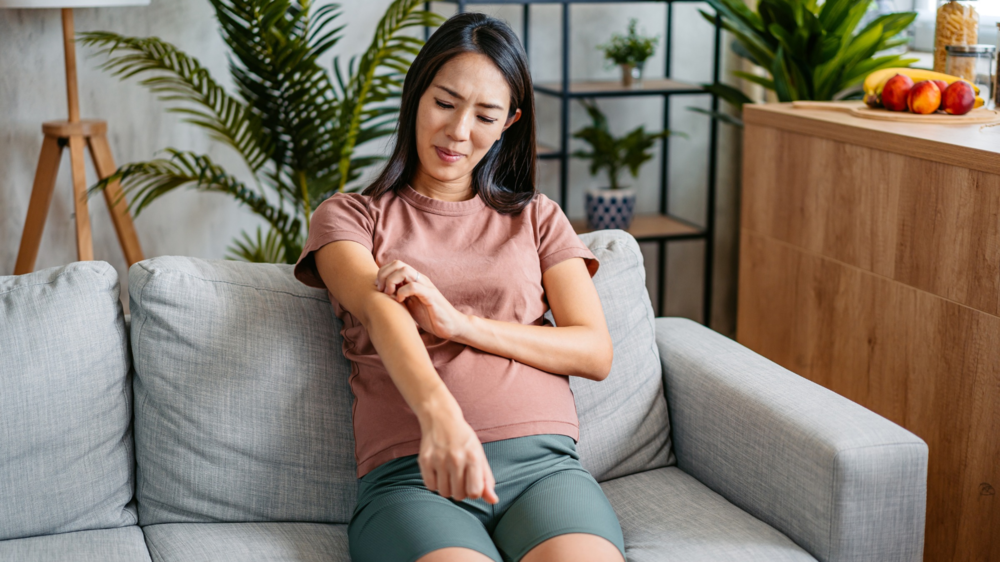
Eczema during pregnancy generally looks and feels similar to eczema at any other time; however, it may occur in new places and be more severe. Typical symptoms include:- Dry, scaly skin patches, most often occurring on your hands, elbows, knees, or neck
- Inflammation and redness of the skin in the affected area
- Severe itchiness, which can vary in severity
- Thickening or cracking of skin in the affected areas
- Appearance of patches where you have never had eczema before
How Is Eczema Diagnosed?
Usually, eczema is diagnosed on the basis of a skin examination. In some cases, a skin biopsy is performed to confirm the diagnosis, or by having your blood tests done, as they could reveal high concentrations of IgE, which is a protein that causes eczema, hay fever, and asthma. Make sure that you tell your doctor about the other changes that you experience during your pregnancy. You have to ensure that you have no other disease that causes changes in your skin.Your doctor would want to know:
- When the skin changes began
- Any changes in your lifestyle and daily activities, such as your diet, that could cause skin changes
- Whether your symptoms affect your daily life
- Whether you have found out the triggers of your symptoms or anything that could ease them
How to Manage Eczema Safely During Pregnancy
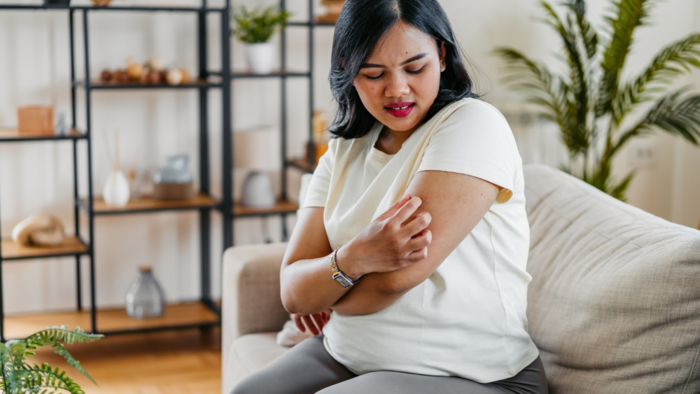
Here is a list of the ways you can safely manage your eczema condition during pregnancy, which have been proven effective for many women, and should be done under your doctor's guidance:- Regular moisturising: It is believed that one of the most effective methods of caring for your skin and alleviating the feeling of dryness is regular application of a fragrance-free moisturiser.
- Bathing routines: Short and cool showers using a soap-free cleanser will help prevent your skin from becoming stripped of its natural moisture.
- Prevention of triggers: The avoidance of any irritants that tend to cause flare-ups in the past is a rather common way of management.
- Topical treatments: Mild steroid creams are generally regarded as safe for short-term use in case of pregnancy under your doctor's recommendations.
- Antihistamines: In case of very intense itching, your doctor may recommend the use of antihistamines that can help ease the symptoms and alleviate the itching.
When Should You Contact Your Doctor?
However, it is generally safe to treat your eczema flare-up when you are pregnant under the advice of your doctor; nevertheless, it is advisable to see your doctor if you have any of the following symptoms:- Eczema flare-ups that do not respond well to the treatment method that you use
- Severe itching but without having any rash, especially on the palms and soles of the feet
- Using any eczema medication without first checking its safety during pregnancy
- Having infected skin characterised by redness, warmth, swelling, and oozing
- Being unable to sleep due to the itching
- Any new skin problem that you have developed suddenly
Dealing with an eczema flare-up can feel frustrating, but you have safe, effective options available to you. Keep your skin gently cared for, stay in touch with your doctor about anything that changes, and know that for many women, this is simply a temporary part of the pregnancy journey.
Whether you’re pregnant, a new mom, or navigating postpartum, you don’t have to do it alone. Join our support group to connect, share, and support one another.
FAQs on Pregnancy and Eczema Flare-Ups: Causes and Safe Relief
- Does eczema during pregnancy cause harm to my baby?
No, because the outbreak of eczema does not affect the baby in any way, although it is important to take care of the symptoms in order to feel comfortable. - Is it possible to experience an eczema outbreak for the first time during pregnancy?
Yes, this occurs because of the hormonal changes that occur in the body and can influence the skin and the immune system, even if a woman has never had eczema before. - Why do I experience itching without a rash?
If you experience itching without a rash, especially on the palms and feet, you may suffer from a different condition during pregnancy rather than eczema.