In this article:
Diet Chart For Pregnancy
| Vegetable | Safe During Pregnancy? | Key Nutrients | Precaution |
| Brinjal | Yes, cooked | Fibre, folate, potassium, vitamin C | Avoid raw; skip if allergic to nightshades |
| Cabbage | Yes, cooked | Folate, fibre, vitamin C, vitamin K | Avoid raw/coleslaw; large portions cause gas |
| Okra | Yes | Folate, vitamin C, fibre | Limit if prone to kidney stones |
| Spinach | Yes, cooked | Folate, iron, vitamin A | Wash thoroughly; moderate portions due to oxalates |
| Carrot | Yes, cooked or raw | Beta-carotene, potassium, fibre | Wash and peel if eating raw |
| Tomato | Yes, cooked or raw | Vitamin C, potassium, lycopene | Wash well; cooked form is better for acid reflux |
| Pumpkin | Yes | Fibre, potassium, beta-carotene | Wash skin before cutting; no other precautions |
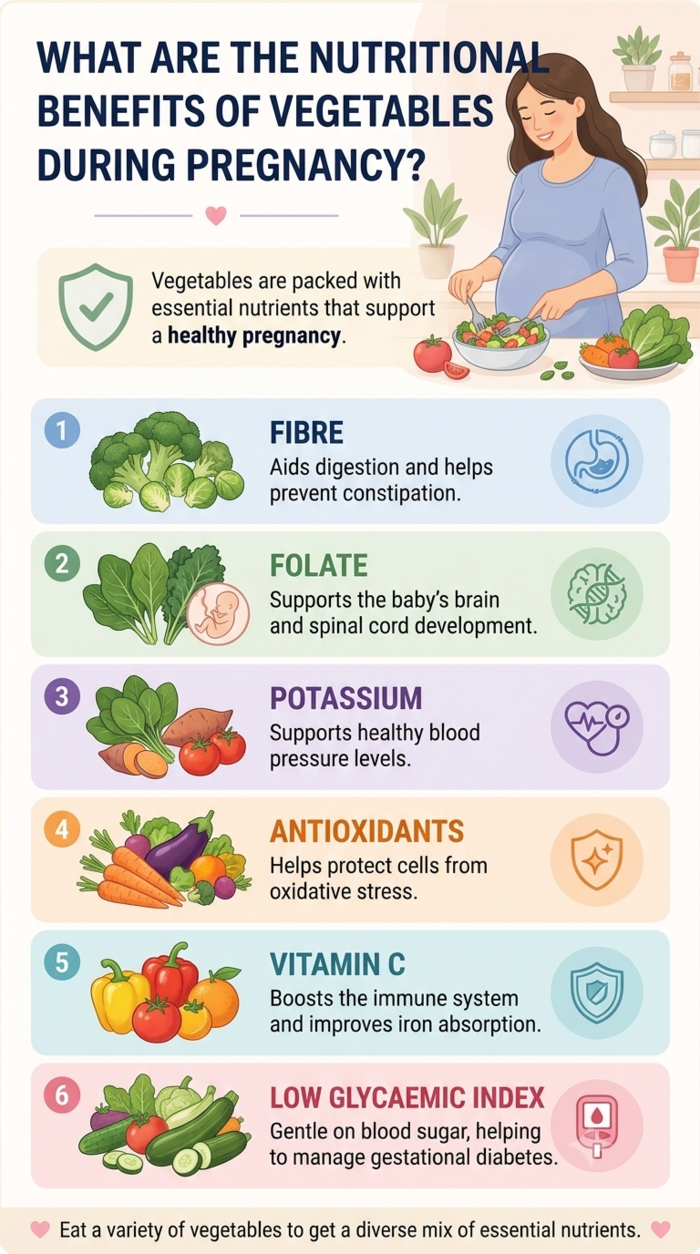
What Are The Nutritional Benefits Of Vegetables During Pregnancy?
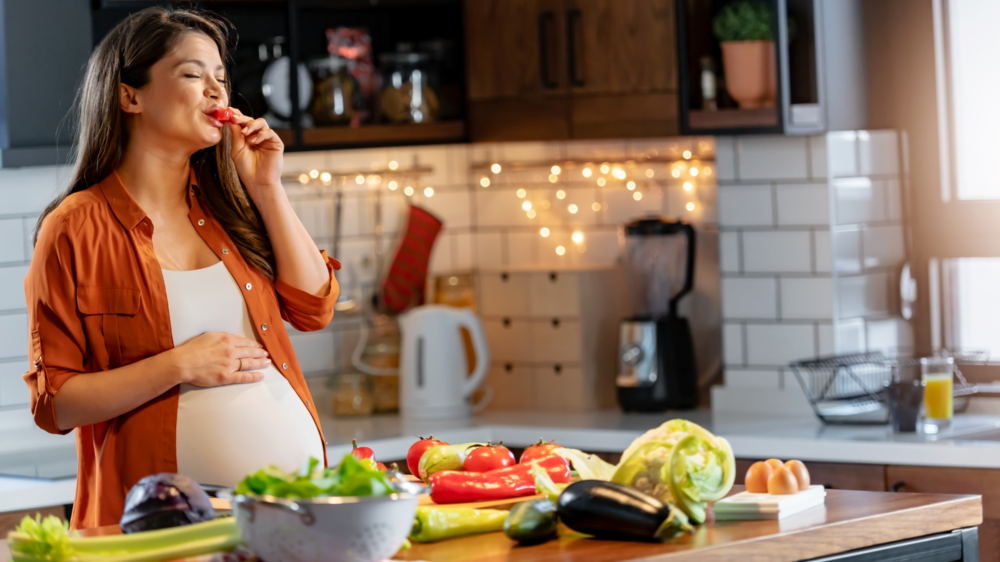
Most vegetables are low in calories and provide nutrients that support pregnancy in specific ways:- Fibre: Aids digestion and helps prevent constipation, a common complaint during pregnancy.
- Folate: Found in leafy greens and cruciferous vegetables, it supports the formation of the baby's brain and spinal cord in early pregnancy and contributes to red blood cell production.
- Potassium: Present in vegetables such as spinach, sweet potato, and tomatoes, it supports healthy blood pressure, relevant for women at risk of pregnancy-induced hypertension.
- Antioxidants: Many vegetables contain plant compounds that help protect cells from oxidative stress; the specific antioxidant varies by vegetable (for example, nasunin in brinjal, beta-carotene in carrots, lutein in spinach).
- Vitamin C: Found in vegetables like bell peppers and tomatoes, it supports the immune system and helps the body absorb iron from other foods.
- Low glycaemic index: Non-starchy vegetables generally have less impact on blood sugar than many other carbohydrate-rich foods, making them a suitable choice for women managing gestational diabetes.
How Should Pregnant Women Wash And Cook Vegetables Safely?
The same food-safety steps apply across all vegetables, rather than being specific to any one of them:- Wash all vegetables thoroughly under running water before cutting or cooking, including those that will be peeled, since bacteria on the skin can transfer to a knife or cutting board.
- Cook vegetables fully rather than eating them raw or undercooked, particularly leafy greens and cruciferous vegetables such as cabbage and cauliflower.
- Avoid raw sprouts as these carry a higher risk of bacterial contamination that washing cannot fully remove.
- Choose freshly cut vegetables over pre-cut or pre-washed packaged produce where possible, and use these promptly.
- If in doubt about a specific vegetable due to an existing condition (thyroid disorder, kidney stones, acid reflux), check with your doctor rather than avoiding it outright.
FAQs on Vegetables Safe To Eat During Pregnancy: Brinjal, Cabbage, Okra And More
- How many servings of vegetables should pregnant women eat daily?
Most guidance suggests around 3 to 5 servings of vegetables a day, spread across different types rather than repeating the same one, so that intake of folate, iron, potassium and fibre stays varied. - Are frozen or packaged vegetables safe during pregnancy?
Frozen vegetables are generally safe once cooked thoroughly. Pre-cut or pre-washed packaged vegetables should still be rinsed again before use, since packaging does not guarantee they are free of bacteria. - Which vegetables should be avoided or limited during pregnancy?
No common Indian vegetable needs to be avoided outright. Raw sprouts are the main exception, and vegetables like cabbage or spinach are best limited to moderate portions if they cause gas, bloating, or interact with an existing thyroid or kidney condition.