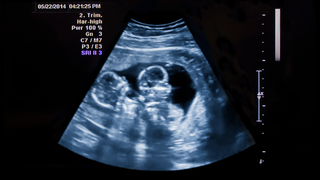
It can be noticed during a routine pregnancy check or ultrasound and may be temporary or require further assessment. Although hearing that your baby has an unusual heart rhythm can be worrying, many foetal arrhythmias are mild and do not lead to serious problems.
We spoke to Dr Siddhi Shree Dixit, Consultant – Fetal Medicine, Madhukar Rainbow Children’s Hospital, to understand foetal arrhythmia, why an unborn baby may develop an abnormal heart rhythm, and how it can be monitored and managed before birth.
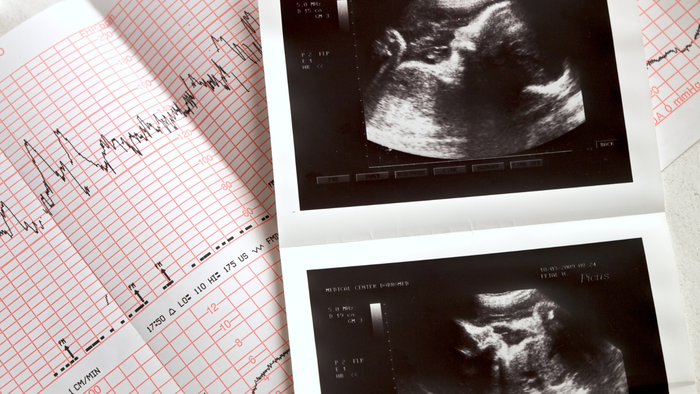
What Is Foetal Arrhythmia?
Foetal arrhythmia is a change in the normal pattern of a baby’s heartbeat before birth. It can appear as an unusually fast, slow or irregular rhythm.“Some of these changes may be temporary and occur simply because the electrical system or “natural pacemaker” of the baby’s heart is still maturing. Other rhythm problems may need closer attention.”
- Dr Siddhi Shree Dixit, Consultant – Fetal Medicine, Madhukar Rainbow Children’s Hospital
- Tachycardia: A heartbeat that is faster than expected.
- Bradycardia: A heartbeat that is slower than expected.
- Irregular rhythm: Extra or skipped beats that make the heartbeat uneven.
- Heart block: A problem with the electrical signals that control the heartbeat.
What Causes an Abnormal Heart Rhythm Before Birth?
There is not always a clear reason for foetal arrhythmia.Possible causes include:
- Normal changes as the baby’s heart and electrical system develop
- A structural heart defect or another heart condition
- Certain maternal health conditions
- Infections during pregnancy
- Some medicines taken during pregnancy
- Maternal antibodies that can affect the baby’s heart rhythm
What Is the Difference Between Foetal Arrhythmia and Foetal Distress?
Foetal arrhythmia means the baby’s heartbeat has an unusual rate or rhythm. It can be temporary and does not always indicate a serious problem.Foetal distress means there are signs that the baby may not be getting enough oxygen or may be struggling. An abnormal heart rate can be one sign of this.
Having an arrhythmia does not automatically mean foetal distress. Doctors assess the heartbeat along with other signs to check the baby’s well-being.
How Is Foetal Arrhythmia Detected?
Foetal arrhythmia may be noticed during a routine pregnancy check-up.Doctors may use several methods to assess the baby’s heartbeat:
- Doppler check: A handheld Doppler can detect an unusual heartbeat during an antenatal visit.
- Ultrasound: A scan can help assess the baby’s heart rate and rhythm.
- Foetal echocardiogram: This detailed scan examines the baby’s heart structure and how it is working.
- Regular monitoring: Repeat checks may be recommended to see whether the change in rhythm continues or returns to normal.
Can Foetal Arrhythmia Affect the Baby?
Yes, but it depends on the type of arrhythmia and how long it continues. Many occasional irregular beats are harmless and settle on their own. A persistently fast or slow heartbeat may affect blood flow and, in severe cases, lead to hydrops foetalis, in which excess fluid builds up in the baby’s body.How Is Foetal Arrhythmia Managed Before Birth?
Management depends on the type of rhythm problem and the baby’s overall condition.Doctors may recommend:
- Regular monitoring: Mild or occasional rhythm changes may only need follow-up scans.
- Medicines: Some persistent fast heart rhythms can be treated with medicines given to the mother that cross the placenta to reach the baby.
- Closer observation: Slow heart rates or heart block may require more frequent monitoring.
- Specialist care: A foetal cardiologist and other specialists may work together when the rhythm problem is more complex.
- Birth planning: If needed, the team may plan the timing and place of delivery based on the baby’s condition.
When Should Parents Be Concerned?
An unusual foetal heartbeat can be worrying, but it does not always mean there is a serious problem. Parents should:- Attend all recommended check-ups and scans.
- Ask what type of arrhythmia has been detected.
- Understand whether the baby’s heart structure is normal.
- Follow the suggested monitoring schedule.
- Discuss the benefits and possible risks if treatment is advised.
Whether you’re pregnant, a new mom, or navigating postpartum, you don’t have to do it alone. Join our support group to connect, share, and support one another.
FAQs on What Is Foetal Arrhythmia and How Is an Abnormal Heart Rhythm Managed Before Birth?
- Can a baby’s heartbeat change from one pregnancy scan to another?
Yes. A baby’s heart rhythm can vary during pregnancy. An occasional irregularity may resolve by the next scan, while some rhythm problems may persist and require closer observation. - Can foetal arrhythmia go away on its own?
Yes. Certain types, particularly occasional irregular beats, may settle without treatment. Your doctor may recommend follow-up scans to check how the baby’s heartbeat changes over time. - Does foetal arrhythmia increase the risk of premature birth?
Not necessarily. Many rhythm abnormalities do not require early delivery. If the baby has a significant or persistent problem, doctors may discuss whether additional monitoring or changes to the delivery plan are needed.