In this article:
But she also highlighted something that may be more important than the tablet itself, the reason behind the pain.
Do Painkillers for Period Cramps Affect Fertility?
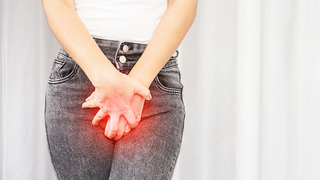
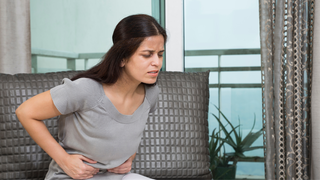
Taking a painkiller to manage menstrual cramps does not automatically mean fertility will be affected. According to Dr Kumar, the bigger concern is whether recurring pain could be a symptom of an underlying reproductive health problem.Period cramps are common, but pain that is particularly severe, persistent or worsening should not simply be masked month after month.
Dr Kumar explained to Pregatips that painful periods can sometimes be associated with conditions such as:
- Endometriosis
- Fibroids
- Pelvic or reproductive tract infections
Why Severe Period Pain Should Not Be Ignored
The intensity and pattern of menstrual pain matter. Mild cramping that responds to occasional pain relief is very different from pain that repeatedly disrupts work, sleep or daily life.Dr Kumar advises paying attention when period pain changes or becomes difficult to manage. During her discussion with Pregatips, she also identified endometriosis, fibroids, polyps and ovarian cysts among the physical conditions that may need assessment when fertility problems are being investigated.
Rather than assuming the medication is causing a problem, it may therefore be more useful to ask why so much pain relief is needed in the first place.
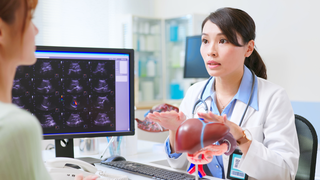
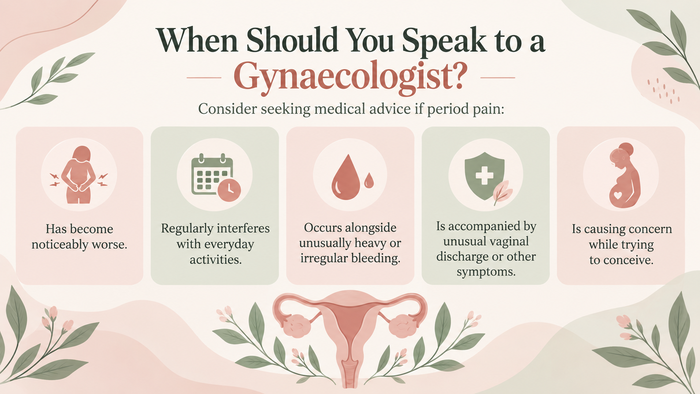
When Should You Speak to a Gynaecologist?
Consider seeking medical advice if period pain:- Has become noticeably worse
- Regularly interferes with everyday activities
- Occurs alongside unusually heavy or irregular bleeding
- Is accompanied by unusual vaginal discharge or other symptoms
- Is causing concern while trying to conceive
So, do painkillers for period cramps affect fertility? Dr Kumar’s guidance is reassuring: using pain relief for menstrual cramps does not in itself mean fertility has been harmed. What deserves closer attention is severe or persistent period pain, particularly when it could be signalling an underlying condition that may affect reproductive health.
FAQs on Painkillers and Fertility
- Can taking painkillers during periods make it harder to get pregnant?
Dr Anjali Kumar says taking painkillers for menstrual pain does not by itself mean fertility will be affected. The underlying cause of recurring severe pain may be more important. - When should period pain be checked by a doctor?
Pain that is severe, worsening, disrupting everyday activities or accompanied by other menstrual changes should be discussed with a gynaecologist.