To better understand roseola in babies, we spoke with Dr Bharat Jain, Senior Consultant – Paediatrics and Neonatology, Cocoon Hospital, Chandigarh, who shared expert insights on its symptoms, rash, treatment, and when parents should seek medical care.
What Is Roseola in Babies?
Roseola is a common viral infection that mainly affects babies and young children, particularly between 6 months and 2 years of age. It is usually mild, and most children recover without specific treatment.“Roseola is caused by human herpesvirus 6 (HHV-6) and, less commonly, human herpesvirus 7 (HHV-7). It can spread through saliva and respiratory droplets when an infected person coughs, sneezes or has close contact with the baby.”
- Dr Bharat Jain, Senior Consultant – Pediatrics and Neonatology, Cocoon Hospital, Chandigarh
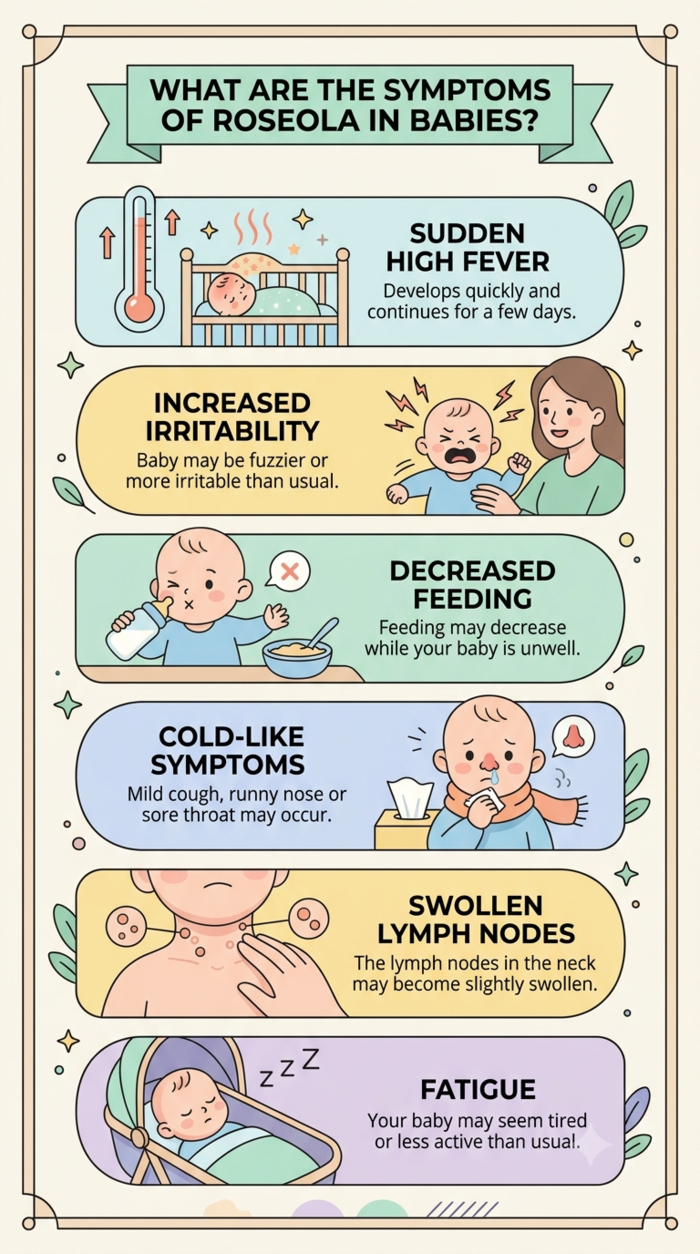
What Are the Symptoms of Roseola in Babies?
Common symptoms of Roseola in babies may include:- A high fever may develop suddenly and continue for a few days
- Your baby may be fussier or more irritable than usual
- Feeding may decrease while your baby is unwell
- A mild cough, runny nose or sore throat may occur
- The lymph nodes in the neck may become slightly swollen
- Your baby may seem tired or less active than usual
What Does a Roseola Rash Look Like?
The rash may look different from other common rashes seen in babies.- It can appear as scattered pink or red marks
- The spots are generally flat rather than raised
- It may first be noticed on the tummy, chest or back
- It can later spread to the face, neck, arms or legs
- It is usually not painful or very itchy
- The skin generally returns to its usual appearance as the rash fades
How Long Does Roseola Last in Babies?
Roseola usually lasts about a week, although the symptoms change during this time. The fever may continue for 3 to 5 days, while the rash generally appears afterwards and fades within 1 to 3 days.How Is Roseola Treated in Babies?
Dr Bharat Jain explains that treatment for roseola is mainly aimed at relieving symptoms while the infection runs its course.These include:
- Fever relief: Your doctor may recommend an age-appropriate medicine such as paracetamol to reduce fever and discomfort.
- Fluids: Continue breastfeeding or formula feeding regularly to help prevent dehydration.
- Rest: Let your baby sleep and rest as much as needed during the illness.
- Comfort: Keep your baby in light, comfortable clothing and avoid overheating.
- Medical advice: If the fever is high, persistent, or your baby seems very unwell, contact your paediatrician.
How Can You Prevent Roseola From Spreading?
Since roseola can spread through saliva and respiratory droplets, the following steps may help reduce transmission:- Wash your hands regularly, especially after wiping your baby’s nose or mouth
- Avoid sharing utensils, cups, bottles or pacifiers
- Clean toys and frequently touched surfaces regularly
- Avoid close contact with other children while your baby has a fever
- Cover coughs and sneezes and encourage good hand hygiene
When Should You See a Doctor for Roseola?
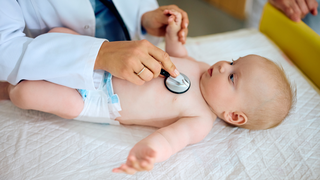
Most babies recover without complications, but medical advice is important if:- Your baby is very young and develops a fever
- The fever is very high or continues for longer than expected
- Your baby is difficult to wake, unusually sleepy or not responding normally
- Your baby is feeding poorly or has fewer wet diapers
- Your baby has difficulty breathing
- Your baby has a seizure or unusual movements
- The rash looks unusual, becomes worse or does not start improving
Whether you’re pregnant, a new mom, or navigating postpartum, you don’t have to do it alone. Join our support group to connect, share, and support one another.
FAQs on Roseola in Babies: Symptoms, Rash and Treatment
- Can roseola affect a baby’s sleep?
Yes. Fever and discomfort can temporarily affect your baby’s sleep. Some babies may sleep longer than usual, while others may wake more often or seem restless. Sleep usually returns to the baby’s normal pattern as the fever settles and they begin to feel better. - Can a baby have roseola without a high fever?
Yes. Although roseola commonly causes a sudden high fever, some babies may have milder symptoms. The fever may be less noticeable or shorter in duration. If your baby has a fever without the typical rash, speak with your paediatrician for proper evaluation. - Can a roseola rash appear on the face first?
Usually, roseola begins on the chest, back or tummy before spreading to other areas. The face can be affected later, although the pattern may vary between babies. If your baby develops an unusual-looking rash, consult your paediatrician for advice.