In this article:
We spoke with Dr Keerti Khetan, Director, Department of Obstetrics & Gynaecology at CK Birla Hospital, Delhi, to understand whether pregnant women can use room heaters, what precautions they should follow and how to stay comfortable during winter.
Is It Safe to Use a Room Heater During Pregnancy?
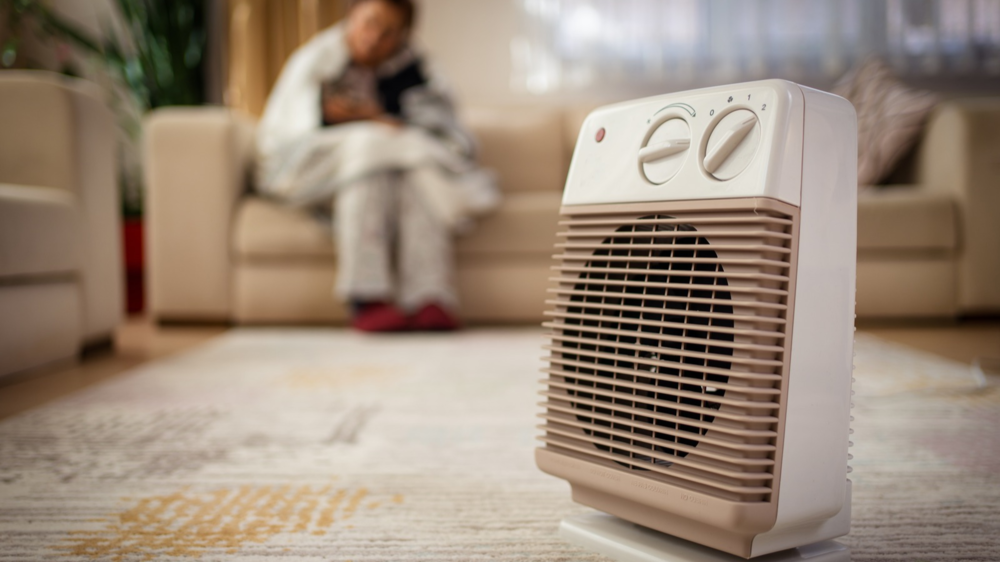
Yes, pregnant women can generally use a room heater to maintain a comfortable indoor temperature. Staying warm can help reduce cold-related discomfort, muscle stiffness and sleep difficulties.However, the safety depends on the type of heater and how it is used.
Which Room Heater Is Safer During Pregnancy?
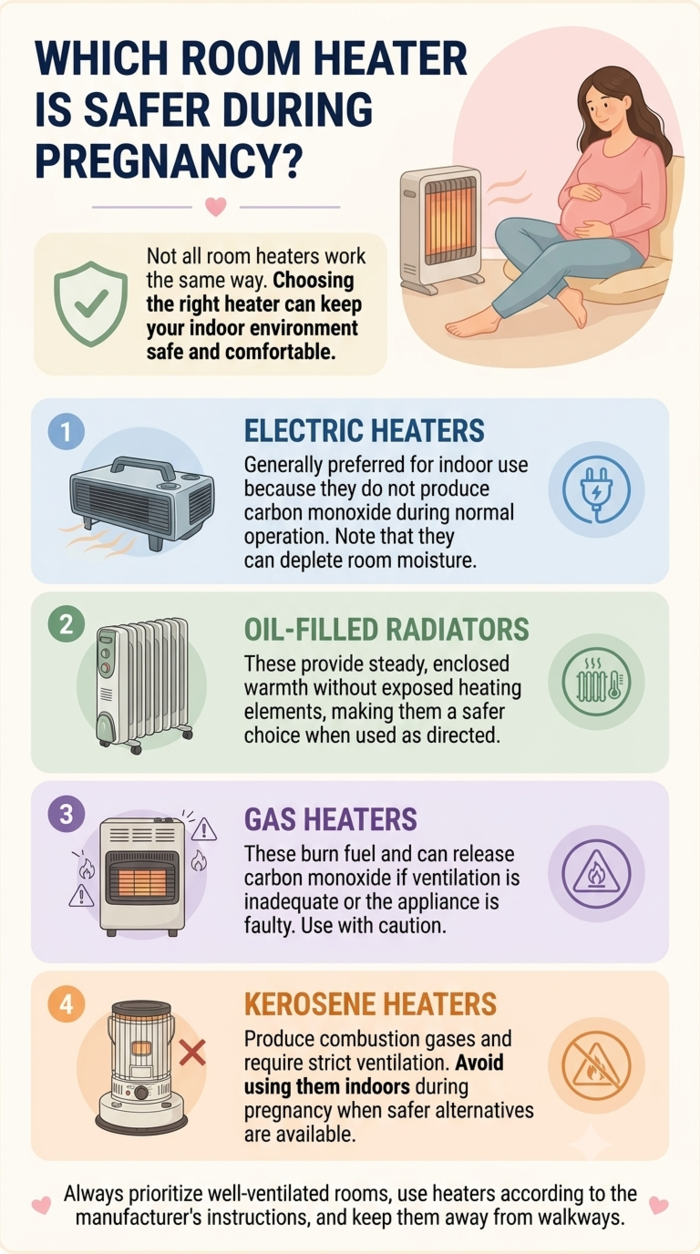
Not all room heaters work in the same way.Understanding the differences can help you choose a suitable option.
- Electric heaters: These are generally preferable for indoor use because they do not produce carbon monoxide during normal operation.
- Oil-filled radiators: These provide steady warmth and don't have an exposed heating element, but you still need to use them according to the manufacturer's instructions.
- Gas heaters: These burn fuel and may release carbon monoxide if ventilation is inadequate or the appliance is faulty.
- Kerosene heaters: These also produce combustion gases and require proper ventilation. Avoid them indoors during pregnancy when safer alternatives are available.
Can Carbon Monoxide From Room Heaters Affect the Baby?
Yes. Carbon monoxide exposure is particularly dangerous during pregnancy.Carbon monoxide is a colourless and odourless gas produced when fuels burn. When inhaled, it reduces the blood's ability to carry oxygen. This can affect the oxygen supply to both the mother and the developing baby.
Exposure may cause:
- Headache and dizziness
- Nausea or vomiting
- Weakness and unusual tiredness
- Confusion or fainting
What Precautions Should Pregnant Women Follow While Using a Room Heater?
A few simple precautions can make heater use safer during pregnancy.- Keep the heater away from beds, curtains, blankets and other flammable materials.
- Avoid placing it too close to your body.
- Do not leave the heater running unattended.
- Follow the manufacturer's instructions and avoid overloading electrical sockets.
- Maintain adequate ventilation, particularly if using a fuel-based heater.
- Keep drinking water nearby to prevent dehydration.
- Switch off the heater if you start feeling excessively hot, dizzy or uncomfortable.
Pregnant women should avoid excessive heating and prolonged exposure to high temperatures. Maintaining a comfortably warm room, staying hydrated and ensuring adequate ventilation can help prevent overheating and discomfort.
Can Using a Room Heater Cause Overheating During Pregnancy?
Yes, prolonged exposure to excessive heat can raise body temperature and cause discomfort. Pregnant women may already feel warmer than usual because of changes in blood circulation and metabolism.Overheating can lead to sweating, dehydration, dizziness and weakness. Therefore, avoid keeping the heater at a very high setting or sitting directly in front of it for long periods.
Choose a comfortable temperature, wear breathable layers and take breaks from the heated room when needed.
Does a Room Heater Make the Air Too Dry During Pregnancy?
Some room heaters can reduce indoor humidity or make the air feel dry. This may cause discomfort such as dry skin, dry lips, throat irritation or nasal dryness.To improve comfort:
- Drink enough water throughout the day.
- Keep the room clean and adequately ventilated.
- Use a humidifier if the indoor air feels excessively dry, following its cleaning instructions.
- Apply a gentle moisturiser if your skin becomes dry.
When Should Pregnant Women Avoid Using a Room Heater?
Avoid using a heater if it has damaged wires, unusual smells, faulty controls or signs of overheating. Do not use fuel-burning heaters in poorly ventilated rooms.Watch for possible signs of carbon monoxide exposure, such as:
- Headache, dizziness, nausea or unusual weakness.
- Leave the room immediately and move to fresh air.
- Seek immediate medical attention.
FAQs on Can You Use a Room Heater While Pregnant?
- Can I sleep with an electric heater on during pregnancy?
It is safer to switch off the heater before sleeping. If you need it to warm the room, use a timer or thermostat and follow the manufacturer's safety instructions. - Can a room heater affect the baby's development?
Normal use of a properly functioning electric heater is not known to harm the baby. However, excessive heat and carbon monoxide exposure can pose risks. - Can I use a room heater every day during pregnancy?
You can use an appropriate heater daily if needed, as long as the room stays comfortably warm and you follow electrical and ventilation safety precautions.