In this article:
What Is an En Caul Birth?
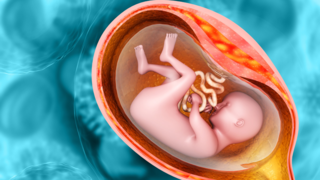
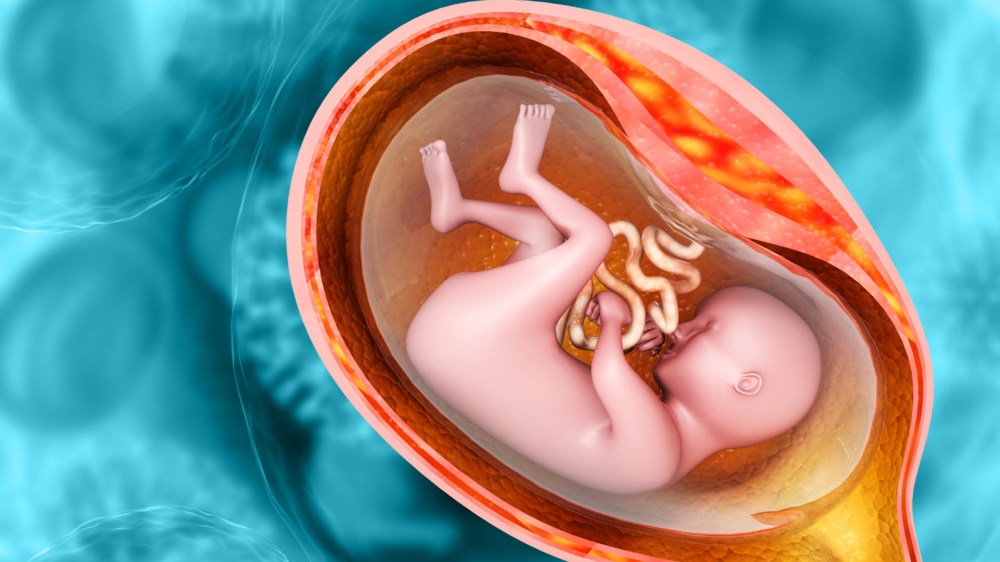
The amniotic sac is a thin, two-layered membrane filled with amniotic fluid that surrounds the foetus. It cushions and protects the baby in the womb. In most labours, the membranes rupture before delivery, either on their own (water breaking) or when the doctor ruptures them deliberately.In an en caul birth, the membranes stay intact. The baby is delivered inside the sac, which looks like a transparent bubble, and the baby can sometimes be seen moving inside it. The doctor opens the sac right after birth so the baby can take the first breath.
A 2026 study found that caul birth occurred in 1.5% of births in the hospital studied, although the researchers noted that evidence on the phenomenon remains limited.
Why Does an En Caul Birth Happen?
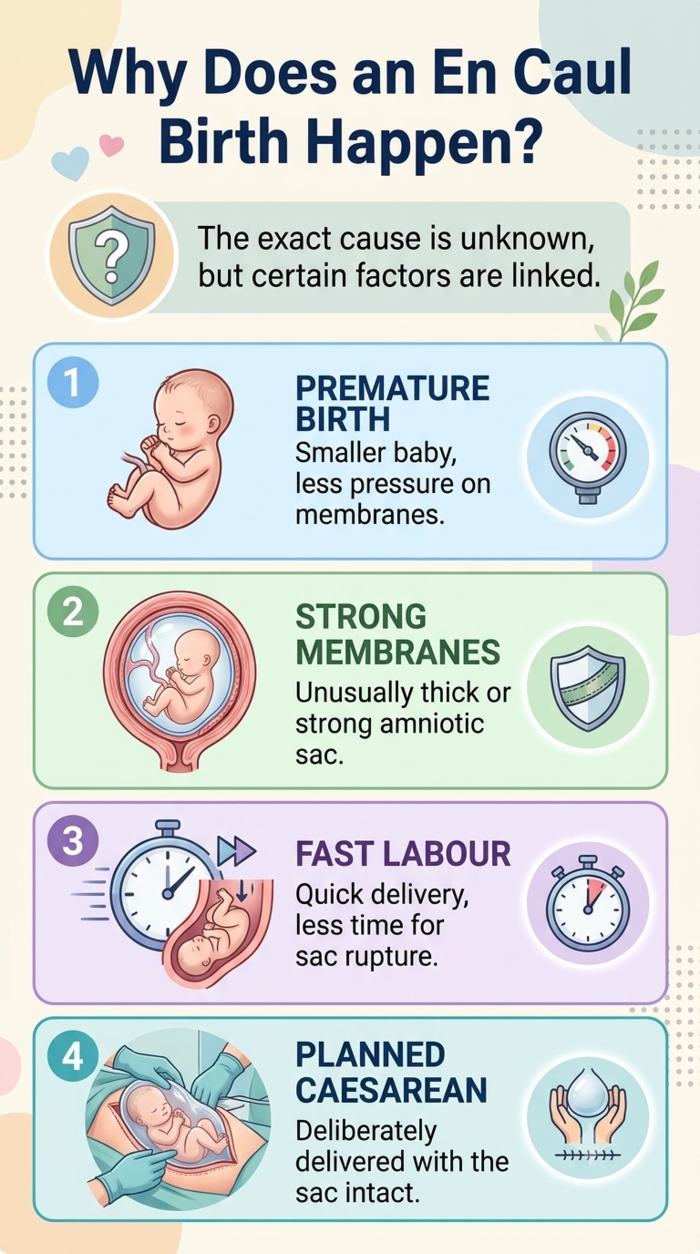
The exact cause is unknown. Factors linked to en caul birth include:- Premature birth, as a smaller baby puts less pressure on the membranes
- Unusually strong or thick membranes
- Fast labour
- Planned caesarean delivery (if the surgeon delivers the baby while deliberately keeping the amniotic sac intact)
Caul vs En Caul: What Is the Difference?
The two terms are often confused.| Feature | En caul birth | Caul (veiled birth) |
| What is covered | The whole baby | Only the head or face |
| Membrane at birth | The sac is fully intact | A small piece of membrane remains |
| Frequency | Rare; often quoted as about 1 in 80,000 births | More common |
| What the doctor does | Opens the sac so the baby can take the first breath | Gently removes the membrane from the face |
| Health significance | Not a sign of a health problem | Not a sign of a health problem |
Is En Caul Birth Safe for the Baby?
Yes, in most cases. Before birth, the baby gets oxygen through the placenta and umbilical cord, not through the lungs. The sac does not block this supply. Amniotic fluid plays a vital role in lung development, and the foetus normally swallows and makes breathing movements in the fluid.Any risk usually comes from the reason behind the birth, such as prematurity, and not from the intact sac itself.
An en caul birth is not generally a sign of a problem or a special medical condition. For the medical team, the priority remains ensuring that the baby is safely delivered, the membrane is opened when appropriate, and the newborn receives immediate care.
En Caul Birth During C-Section
An en caul birth can happen during a caesarean section, particularly when doctors intentionally deliver the baby inside the intact amniotic sac.This approach has been studied in some preterm births, including preterm twin pregnancies. Research has reported possible reductions in respiratory distress and mechanical ventilation in selected preterm twin deliveries, but larger studies are needed before drawing broad conclusions.
Is an En Caul Birth Lucky?
In some cultures, babies born en caul have traditionally been associated with good fortune or special qualities. Such beliefs are cultural and have no medical basis.European sailors once believed a caul protected against drowning and sometimes bought and carried one.
Indian families may also hear that such a baby is “special” or “lucky”. No scientific evidence shows that an en caul birth affects a baby’s health, personality, or future.
An en caul birth is a rare, interesting feature of the birth, and with appropriate medical care, it can result in a healthy newborn.
Whether you’re pregnant, a new mom, or navigating postpartum, you don’t have to do it alone. Join our support group to connect, share, and support one another.
FAQs on En Caul Birth: What Does It Mean When a Baby Is Born in the Amniotic Sac?
- Is en caul birth dangerous?
No, not by itself. The baby receives oxygen through the cord until the sac is opened and breathing begins. Risks mostly relate to other factors, such as premature birth. - Is en caul birth more common in caesarean delivery?
Yes. Membranes are often intact when the uterus is opened during a caesarean, so the baby may be delivered inside the sac. - Can a baby survive an en caul birth?
Yes. Babies can survive and be healthy after an en caul birth. The membrane is opened after delivery so the newborn can breathe air normally.