In this article:
Why Choline Matters for Your Babys Brain
Choline is a water-soluble nutrient that functions similarly to vitamin B in the body. During pregnancy, it is essential for several specific developmental processes. Choline helps build the outer layer of every cell in the body, including the fast-growing brain cells of your baby. It is especially important for the hippocampus, the part of the brain responsible for memory and learning. Getting enough choline during pregnancy may help your child's memory and thinking skills later on. According to NIH, during early pregnancy, around 12 weeks, the amount of choline consumed should be 450 mg each day, and in late pregnancy of more than 12 weeks, the choline consumption should be increased to 550 mg each day.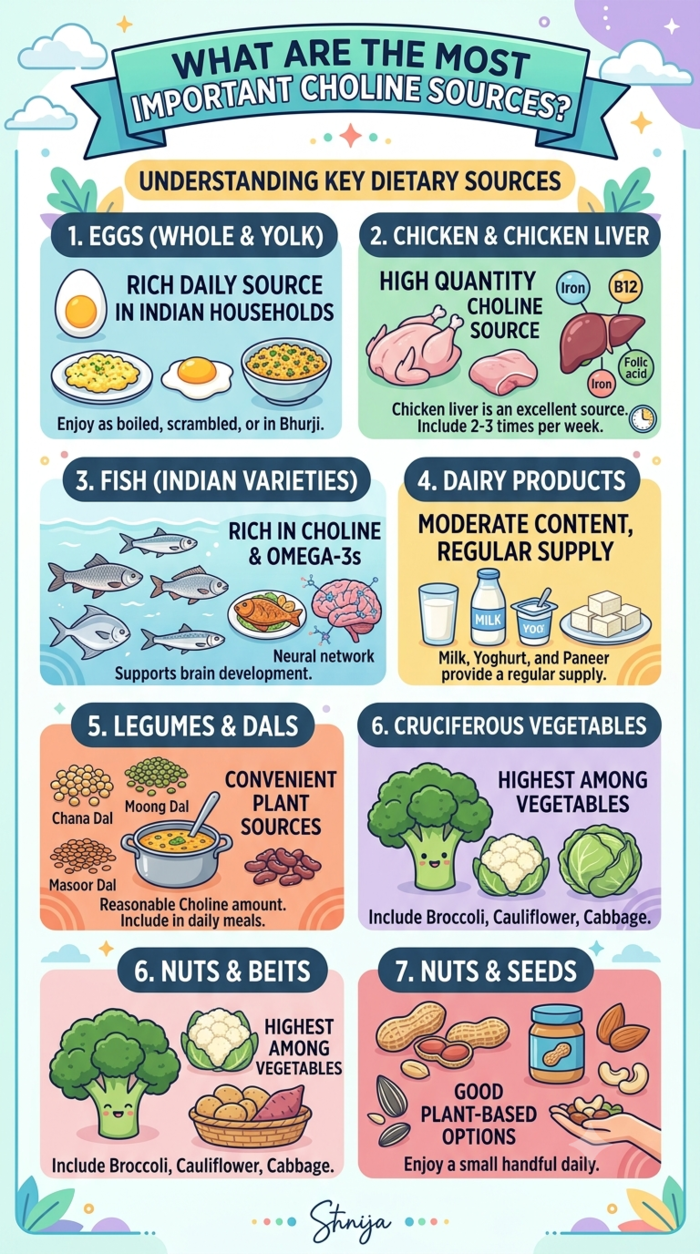
What Are the Most Important Choline Sources?
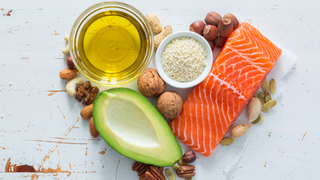
The most important choline sources are as follows:- Eggs: Whole eggs are the richest source of choline available to an Indian household daily. Consumption of whole eggs in the form of boiled, scrambled, poached, or bhurji is the most efficient way to utilise eggs for choline.
- Chicken: Chicken liver contains an extremely high quantity of choline. Chicken liver also contains iron, vitamin B12, and folic acid, making it one of the most nutritious food sources during pregnancy. Normal chicken meat also contains a moderate but significant quantity of choline. Chicken should be consumed two to three times per week under your doctor's consultation.
- Fish: Some of the common fishes consumed in India serve as rich sources of choline. Some of them are rohu, katla, pomfret, and sardines, which contain both choline and omega-3 fatty acids and help in brain development.
- Dairy Products: Choline content in milk, yoghurt, and paneer is moderate. Dairy foods alone cannot fulfil the daily requirement of choline, but they provide regular supplies when taken in a daily diet regime.
- Legumes and Dals: For women who do not eat meat or any other animal products, legumes are the most convenient plant sources of choline. Chana dal, moong dal, masoor dal, and rajma all have a reasonable amount of choline in them. Consuming dal two times a day is quite common among Indians and beneficial.
- Cruciferous Vegetables: Of all the vegetable sources available, cruciferous vegetables have the highest choline content. Cruciferous vegetables include broccoli, cauliflower, and cabbage. Although consumption of vegetables alone will not be sufficient to fulfil the required amount of choline during pregnancy, their inclusion in the diet makes a difference in weekly consumption. Potatoes and sweet potatoes are other vegetable sources which contain some quantity of choline.
- Nuts and Seeds: Peanuts and peanut butter are among the better plant-based sources of choline. Almonds, cashews, and sunflower seeds contribute smaller amounts. Including a small handful of mixed nuts as a daily snack adds choline alongside healthy fats, magnesium, and zinc, a nutrient combination that supports pregnancy health broadly.
When to Contact Your Doctor
Consult your doctor if you experience any of the following.- If you are a strict vegan and wonder how to get enough choline through plants alone, supplements could be considered.
- If your food restrictions during the first trimester have made it difficult for you to eat adequately and you would like some advice on the right nutrients to include.
- If you would like your prenatal supplement evaluated to see if it provides any choline at all and if there is a need for supplements.
Whether you’re pregnant, a new mom, or navigating postpartum, you don’t have to do it alone. Join our support group to connect, share, and support one another.
FAQs on Getting Enough Choline in Pregnancy: Top Food Sources
- Is chicken liver good to eat when pregnant?
It is safe for you to eat chicken liver when pregnant, provided it is fully cooked. Chicken liver is an excellent source of choline, iron, folate, and vitamin B12 and is one of the most nutritious foods that can be eaten when pregnant. - What would happen if I were deficient in choline when pregnant?
Choline deficiency can increase the incidence of neural tube defects and may impact the development of your baby’s brain, especially the areas of memory and learning. - Can I take a choline supplement during pregnancy?
Yes, but make sure to ask your doctor for an opinion on this matter, especially if you are already taking any other supplements.