Because so much development is happening in such a short time, this phase is also very sensitive. Certain habits, foods, substances, and everyday activities that may have seemed harmless before can now carry risks for the growing baby. Being aware of what to avoid right after conception helps lower the chances of complications and supports healthy growth from the very beginning.
What to Avoid Immediately After Conception
Once you know you’re pregnant, it’s important to be mindful of certain things. Here's a simple guide:1. Harmful Substances
Stop all harmful substances as soon as pregnancy is confirmed. These can lead to serious issues like birth defects, low birth weight, preterm birth, or even stillbirth.
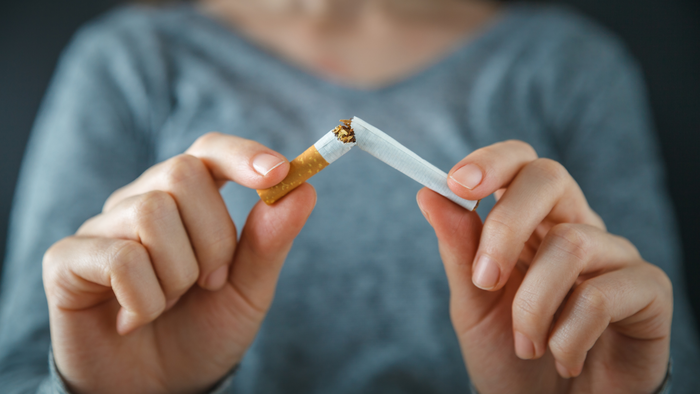
- Smoking: Includes cigarettes, cigars, e-cigarettes, and exposure to second-hand smoke. It increases the risk of miscarriage, ectopic pregnancy, premature labour, low birth weight, and long-term issues for the baby, including a higher chance of sudden infant death syndrome (SIDS).
- Alcohol: No amount is considered safe during pregnancy. It can affect the baby’s brain development and may lead to learning difficulties, behavioural issues, or cognitive problems later in life.
- Marijuana, illegal drugs, and recreational substances: These can seriously harm foetal growth, development, and overall health, even with occasional use.
- Caffeine: Keep intake below 200 mg per day (roughly two small cups of coffee). High amounts may increase the risk of premature labour or affect the baby’s growth. Remember, caffeine is also found in colas, sodas, chocolates, green tea, and black tea.
Some foods can carry bacteria, toxins, or contaminants that may affect early foetal development. For instance, Listeria infection is particularly risky during pregnancy, and mercury or other toxins can impact the baby’s brain and nervous system.
This is what to watch out for in your diet:
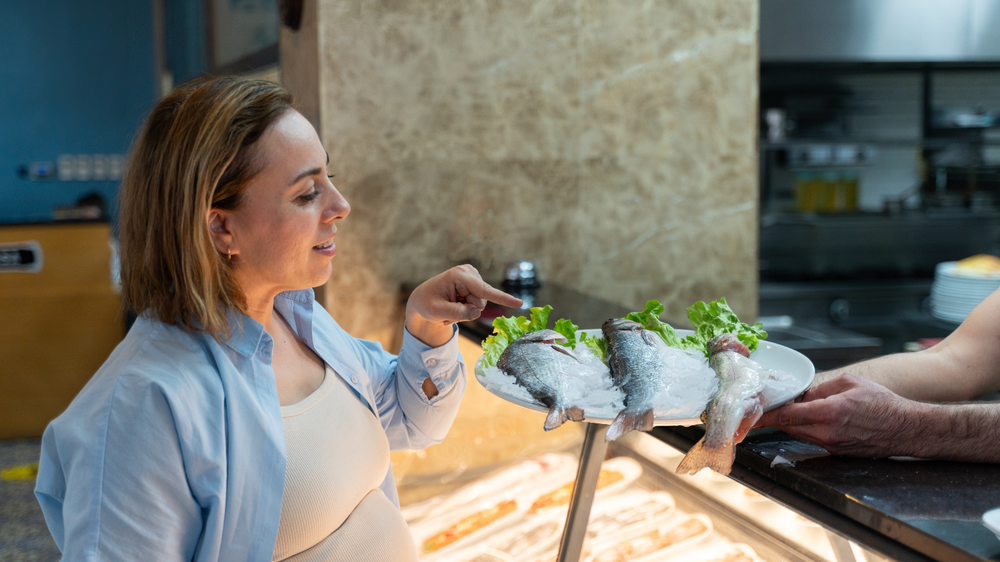
- Raw or undercooked foods: Avoid dishes like raw fish preparations (sushi), undercooked eggs (half-boiled or sunny-side-up), and raw meat or chicken. These can carry parasites or foodborne bacteria.
- Cold or processed meats: Skip sandwich meats, hot dogs, smoked fish, and ready-to-eat meat spreads unless heated thoroughly.
- Unpasteurised dairy: Avoid unpasteurised milk, homemade paneer from raw milk, soft cheeses, or any dairy products not boiled or pasteurised.
- High-mercury fish: Limit large fish like shark and king mackerel (surmai). Even low mercury fish should be consumed in moderation.
- Street food and unsafe seafood: Be cautious with seafood or fish from unknown or unhygienic sources, including street stalls, as these may not meet safety standards.
- Processed foods and additives: Reduce packaged snacks, instant noodles, pickles with excessive preservatives, synthetic food colours, or items containing sodium nitrites.
- Fruits and vegetables: Wash thoroughly to remove pesticide residue and soak leafy greens like spinach and coriander well. Try to choose organic produce when possible.
Everyday habits may need a little adjustment during the first few weeks of pregnancy to keep you and your baby safe. Be careful about:
- Hot environments: Avoid hot tubs or staying in very hot conditions for long periods. Excess heat can increase the risk of neural tube defects in the developing baby.
- Strong smells: If certain scents trigger nausea, especially with heightened smell sensitivity, try to avoid perfumes, cleaning chemicals, or strong cooking odours that worsen morning sickness.
- Pets, especially cats: Limit close contact with cats due to the parasite Toxoplasma gondii, which can affect the baby’s brain and eyes. Avoid cleaning litter boxes entirely during early pregnancy.
- Strenuous or risky physical activity: Refrain from heavy workouts, back-bends, advanced abdominal exercises, lying flat on your back for long periods, or any activity that causes overheating or dehydration. High-risk activities like boxing or anything with a chance of falling or abdominal impact should also be avoided.
- Herbal supplements and medications: Do not take any herbal remedies, old prescriptions, or new medications without consulting your doctor first. Some can trigger miscarriage, premature labour, or painful contractions.
Whether you’re pregnant, a new mom, or navigating postpartum, you don’t have to do it alone. Join our support group to connect, share, and support one another.
FAQs on Lifestyle Mistakes to Avoid Immediately After Conception
- Can I continue my regular skincare routine after conception?
Some skincare products contain retinoids, salicylic acid, or strong chemical peels that may not be safe during early pregnancy. It’s best to review your products with your doctor and switch to pregnancy-safe alternatives. - Are hair treatments like colouring or chemical straightening safe during pregnancy?
Hair dyes and chemical treatments are generally considered safe if used in well-ventilated areas, but it’s better to limit exposure in the first trimester or opt for natural alternatives. Always consult your healthcare professional. - Which household chores should I avoid during pregnancy?
During early pregnancy, it’s best to be cautious with chores that put stress on your body or expose you to harmful chemicals. Avoid heavy lifting, climbing ladders, or standing for long periods. Also, avoid scrubbing floors or carrying heavy buckets of water, as these can strain your back and abdomen.