
In this article:
What Is Metabolic Syndrome in Pregnancy?
Metabolic syndrome refers to a cluster of conditions that increase the risk of diabetes and cardiovascular disease. It is diagnosed when a pregnant woman has three or more of the following: pre-existing or gestational diabetes, chronic or pregnancy-induced high blood pressure, abnormal lipid levels (dyslipidaemia), and a high BMI or central obesity.Maternal metabolic syndrome can impair placental development through chronic inflammation, insulin resistance, and vascular dysfunction. This matters because the placenta is the baby's only source of oxygen and nutrients throughout pregnancy.
How Can Metabolic Syndrome Affect Pregnancy?
The effects depend on which metabolic problems are present and how well they are controlled.The concerns include:
- Gestational diabetes mellitus (GDM): Insulin resistance naturally increases during pregnancy. If a woman already has insulin resistance or other features of metabolic syndrome, her body may struggle to maintain normal blood glucose levels. Women with metabolic syndrome in early pregnancy have a greater risk of developing GDM than those without it. Untreated or poorly controlled GDM can increase the baby's risk of excessive growth and low blood sugar after birth.
- Gestational hypertension and preeclampsia: Hypertension as a component of metabolic syndrome significantly raises the risk of preeclampsia, a smaller-than-expected baby, and preterm birth. Preeclampsia affects the mother's blood vessels and the placenta, restricting the oxygen and nutrients reaching the baby; severe cases may require early delivery. Abnormal cholesterol or triglyceride levels add further risk of preeclampsia, and having two or more metabolic syndrome components together raises the risk of both preeclampsia and preterm birth.
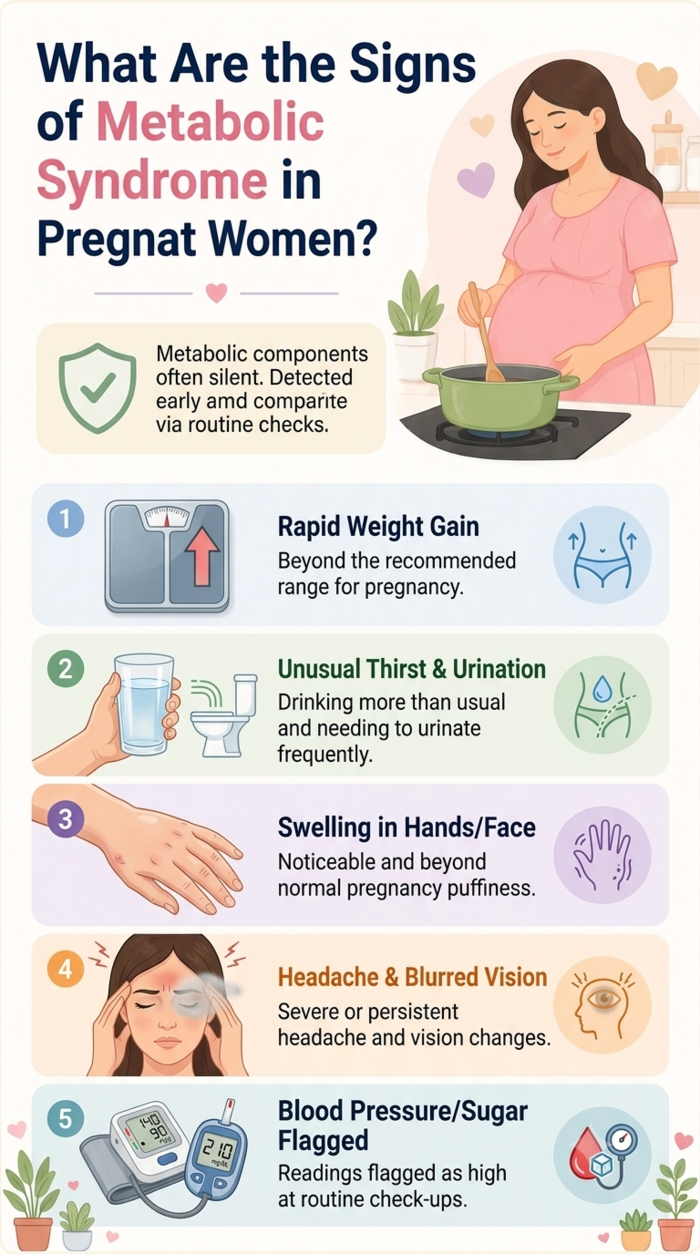
What Are the Signs of Metabolic Syndrome in Pregnant Women?
Many components produce no obvious symptoms and are picked up only through routine antenatal checks.Warning signs to watch for include:
- Rapid weight gain beyond the recommended range
- Unusual thirst
- Frequent urination
- Swelling in the hands or face
- Headache
- Blurred vision
- Blood pressure or sugar readings flagged as high at check-ups
Can Metabolic Syndrome Affect Your Baby's Growth?
The effects begin at the placenta and extend to the baby's growth and metabolism. Excess insulin in the baby's blood can cause macrosomia (a larger-than-average baby), raise oxygen consumption, and lead to foetal hypoxia, which can trigger red blood cell overproduction and newborn jaundice.One study found that metabolic syndrome itself was not independently associated with large or small for gestational age babies, while individual components such as raised blood pressure were associated with altered foetal growth.
How Is Metabolic Syndrome Managed During Pregnancy?
Management is individualised but usually combines dietary changes suited to eating patterns (smaller, frequent meals with a lower glycaemic load), supervised physical activity such as walking, blood pressure and glucose monitoring, and medication where diet alone isn't enough.Regular foetal growth scans help track how the baby is responding to treatment. Because the components interact, controlling even one, such as blood pressure, measurably lowers the risk to the baby.
What Happens After Delivery?
According to the American College of Obstetricians & Gynecologists (ACOG), Women who develop gestational diabetes, gestational hypertension, or preeclampsia have a higher long-term risk of cardiometabolic disease.After delivery, follow-up should include appropriate checks of blood glucose, blood pressure, weight, and other cardiovascular risk factors. Current cardiovascular-kidney-metabolic guidance recommends screening relevant risk factors during the first postpartum year after an adverse pregnancy outcome.
Metabolic syndrome in pregnancy is manageable with early screening, consistent antenatal care, and lifestyle adjustments tailored to each woman's risk factors.
Whether you’re pregnant, a new mom, or navigating postpartum, you don’t have to do it alone. Join our support group to connect, share, and support one another.
FAQs on Metabolic Syndrome and Pregnancy: Can It Affect Your Baby?
- Can I have a healthy pregnancy with metabolic syndrome?
Yes. Metabolic syndrome increases the risk of certain complications but does not mean that pregnancy will be unhealthy. Regular monitoring and appropriate management are important. - Does metabolic syndrome cause birth defects?
Metabolic syndrome itself is not known to cause birth defects directly. However, uncontrolled pre-existing diabetes, particularly around conception and early pregnancy, can increase the risk of certain birth defects. - Will metabolic syndrome affect future pregnancies too?
It can raise the risk of the same complications recurring, which is why postpartum follow-up and preconception screening before the next pregnancy are recommended.