In this article:
What Makes a PCOS Pregnancy Different
PCOS involves hormonal imbalance and insulin resistance, both of which may influence pregnancy. These factors can affect how your body handles glucose and blood pressure, increasing the chances of GDM and pre-eclampsia.
- Insulin resistance may affect blood-sugar patterns.
- Hormonal imbalance may influence blood pressure
- Early planning helps reduce risks.
Why Is Gestational Diabetes More Common in PCOS
Around 40–50% of individuals with PCOS show higher insulin resistance before pregnancy. This resistance can increase during pregnancy, making it harder for the body to regulate glucose levels. As a result, the chance of developing GDM becomes higher compared to pregnancies without PCOS.
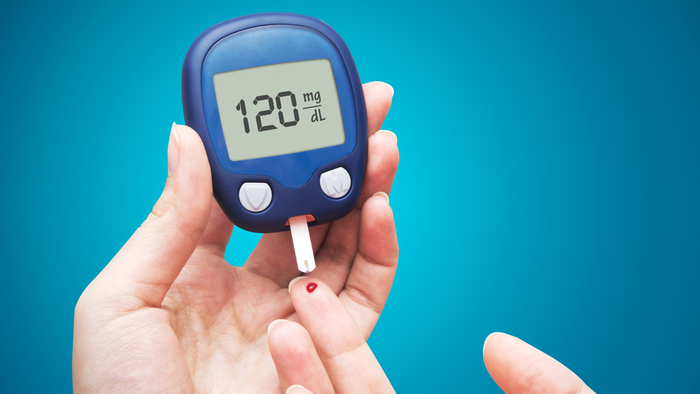
Signs You Should Not Ignore
- Excessive thirst
- Frequent urination
- Feeling tired even after rest
- Sugar cravings or dizziness
What Helps Lower GDM Risk
- Eating small, balanced meals with whole grains, fibre, and protein.
- Using Indian staples such as dal, millets, and leafy vegetables.
- Keeping evening meals light.
- Staying active with 20–30 minutes of walking daily.
- Sleeping 7–8 hours at consistent times.
What to Do Next – Quick Checklist
- Get early glucose testing (first trimester or as advised).
- Track fasting and post-meal sugars if recommended.
- Keep water intake steady through the day.
- Avoid long gaps between meals.
- Schedule regular antenatal visits.
Why Does PCOS Increase the Risk of Pre-eclampsia
Pre-eclampsia involves raised blood pressure and signs of stress in the body organs. With PCOS, the underlying hormonal imbalance and inflammation may increase this risk. Pre-eclampsia usually appears after 20 weeks of pregnancy but may develop earlier in high-risk cases.Typical Symptoms to Watch
- Persistent headaches
- Sudden swelling of feet, face, or hands
- Vision changes
- Upper abdominal discomfort
How to Stay Ahead of Pre-eclampsia
- Regular blood pressure monitoring.
- Reducing salt in packaged foods.
- Following a calm evening routine.
- Getting enough hydration, especially in warm Indian climates.
- Including vegetables such as spinach, methi, and bottle gourd.
What Should You Discuss With Your Doctor
Ask questions and stay updated. Doctors appreciate parents who stay curious and proactive.
Important Discussion Points
- Family history of diabetes or blood pressure issues
- Testing schedule
- Diet changes suited to your daily routine
- Safe exercise levels
- Warning signs to watch at home
What Does a Safe, Monitored Pregnancy Look Like
With the right guidance, a PCOS pregnancy can be healthy and smooth. Most individuals with PCOS deliver safely with routine monitoring.Typical Monitoring Plan
- Early glucose test
- Regular blood pressure checks
- Ultrasound scans, as recommended
- Weight, sleep, and diet tracking
- Staying active and consistent
Whether you’re pregnant, a new mom, or navigating postpartum, you don’t have to do it alone. Join our support group to connect, share, and support one another.
FAQs on PCOS Pregnancy Risks: Understanding GDM and Pre-eclampsia And How To Prevent Them
- Is a PCOS pregnancy always high-risk?
A PCOS pregnancy has a higher chance of GDM and pre-eclampsia, but it is not always high-risk. Regular check-ups, healthy eating, and early tests can lower the risk of problems. Many people with PCOS have safe pregnancies with reasonable care and follow-up. - Can lifestyle changes truly reduce PCOS pregnancy complications?
Yes. Eating balanced meals, moving daily, sleeping well, and managing stress help control blood sugar and blood pressure. These habits lower the risk of GDM and pre-eclampsia. Even small changes in your routine can make a big difference during pregnancy.