

To understand single umbilical artery, its possible effects on a baby’s growth, and the importance of monitoring during pregnancy, we spoke with Dr Chetna Jain, Director – Department of Obstetrics and Gynaecology at Cloudnine Group of Hospitals, Gurgaon.
What Is a Single Umbilical Artery?
A single umbilical artery (SUA), also called a two-vessel cord, is a condition in which the umbilical cord has one artery and one vein instead of the usual two arteries and one vein.The umbilical vein carries oxygen-rich blood and nutrients from the placenta to the baby, while the arteries carry blood from the baby back to the placenta.
Doctors classify SUA into two types:
- Isolated SUA: The single umbilical artery is the only finding, and no other structural abnormalities are detected.
- Non-isolated SUA: The finding occurs alongside other structural abnormalities or concerns identified during pregnancy scans.
What Causes a Single Umbilical Artery?
The exact cause of a single umbilical artery is not always known. It develops during the formation of the umbilical cord and its blood vessels in early pregnancy.Possible explanations include differences in how the cord's blood vessels develop or changes in one artery during pregnancy.
SUA is usually not caused by anything the mother did or did not do. It can occur in an otherwise healthy pregnancy.
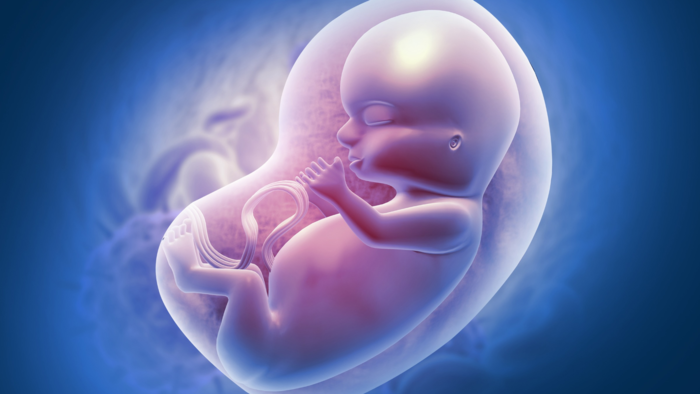
Can a Single Umbilical Artery Affect Baby Growth?
Yes, a single umbilical artery can be associated with slower fetal growth in some pregnancies, but it does not mean that every baby will have growth problems.The possible effects depend on whether SUA occurs alone or alongside other findings.
- When SUA is isolated: Many babies grow normally and are born healthy. However, there may be a higher risk of the baby being smaller than expected for the stage of pregnancy.
- When other abnormalities are present: The risk of growth problems may be higher, depending on the associated condition.
- When placental function is affected: The baby may receive less oxygen and nutrients than needed for normal growth.
What Other Problems Can Be Associated With a Single Umbilical Artery?
Although many babies with isolated SUA are healthy, the condition can sometimes occur alongside other abnormalities.These may include:
- Heart abnormalities: Some babies may have structural differences in the heart.
- Kidney or urinary tract abnormalities: The kidneys and urinary system may need closer assessment.
- Other structural differences: In some pregnancies, abnormalities involving other organs may also be detected.
- Chromosomal conditions: These are more relevant when SUA occurs with other abnormal ultrasound findings or other risk factors.
- Dr Chetna Jain, Director – Department of Obstetrics and Gynaecology at Cloudnine Group of Hospitals, Gurgaon
How Is a Single Umbilical Artery Diagnosed?
Doctors usually detect a single umbilical artery during the second-trimester anomaly scan (18–22 weeks).They may recommend:
- Detailed ultrasound: Checks the baby's organs, including the heart and kidneys.
- Growth ultrasound: Monitors the baby's weight and development.
- Doppler ultrasound: Assesses blood flow if growth concerns arise.
- Additional testing: Fetal echocardiography or genetic testing may be advised if other abnormalities are suspected.
How Is a Single Umbilical Artery Managed During Pregnancy?
There is no treatment to restore the missing artery. Management focuses on monitoring the baby's growth and well-being.- Regular checkups: Monitor the mother's and baby's health.
- Follow-up growth scans: Track the baby's growth, usually in the third trimester.
- Additional monitoring: Doppler studies may be recommended if complications develop.
- Delivery planning: Timing and mode of delivery depend on the baby's growth and overall pregnancy condition.
When Should You See a Doctor?
- Consult your doctor if your scan shows a single umbilical artery. You should:
- Ask if it is isolated.
- Have your baby's heart and kidneys checked.
- Attend follow-up growth scans.
- Report reduced fetal movements promptly.
FAQs on Single Umbilical Artery: Can It Affect Baby's Growth?
- Can a baby with a single umbilical artery be born healthy?
Yes, many babies with isolated SUA grow normally and are born healthy. - Does a single umbilical artery mean the baby is not getting enough oxygen?
No, not necessarily. Ultrasound and Doppler scans can help assess the baby's growth and blood flow. - Will I need more ultrasound scans if my baby has SUA?
Yes, your doctor may recommend a third-trimester growth scan and additional monitoring if needed.